Best Organic Vitamin D Supplements: A Label-First Buying Guide
Compare organic vitamin D by age group, amount per measured serving, vitamin source and organic claim scope. The seven options below include infant drops, children's gummies and adult formats; keep those age groups separate when building a shortlist.
Our Top 3 picks
Our three starting choices from the 7 documented options below are selected for baby-drop, vegan spray and plant-sourced tablet labels, with the age groups kept separate.
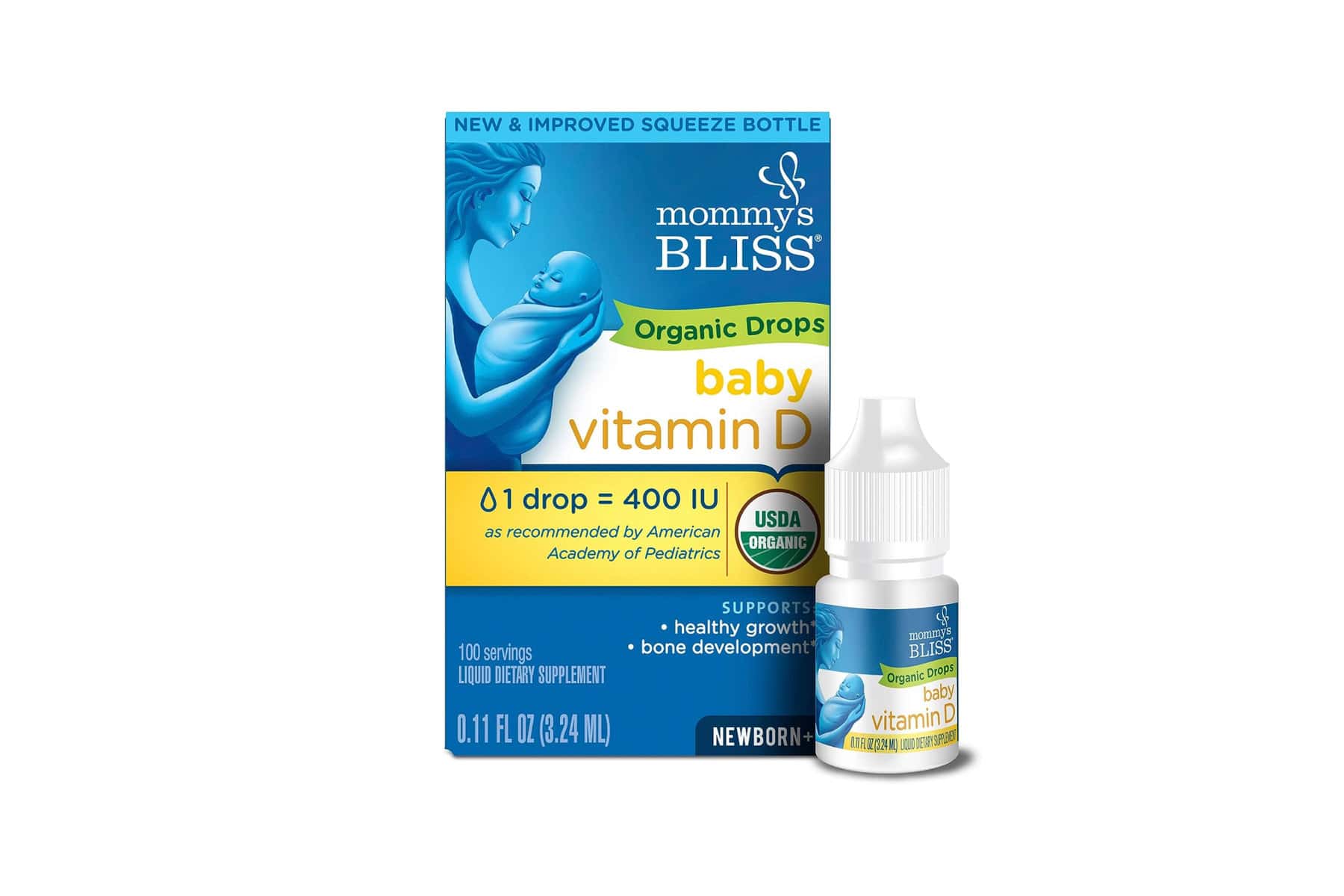
Mommy’s Bliss Organic Baby Vitamin D Drops. Archived packaging shown. Mommy’s Bliss Organic Baby Vitamin D Drops
1. Best for comparing infant drops with a pediatrician
A clearly stated drop amount helps caregivers discuss the exact baby product with their clinician.
Read Mommy’s Bliss Organic Baby Vitamin D Drops
Garden of Life Organics Vegan D3 Spray. Archived packaging shown. Garden of Life Organics Vegan D3 Spray
2. Best for an adult vegan spray
The spray offers a plant-sourced liquid option for readers comparing adult labels.
Read Garden of Life Organics Vegan D3 Spray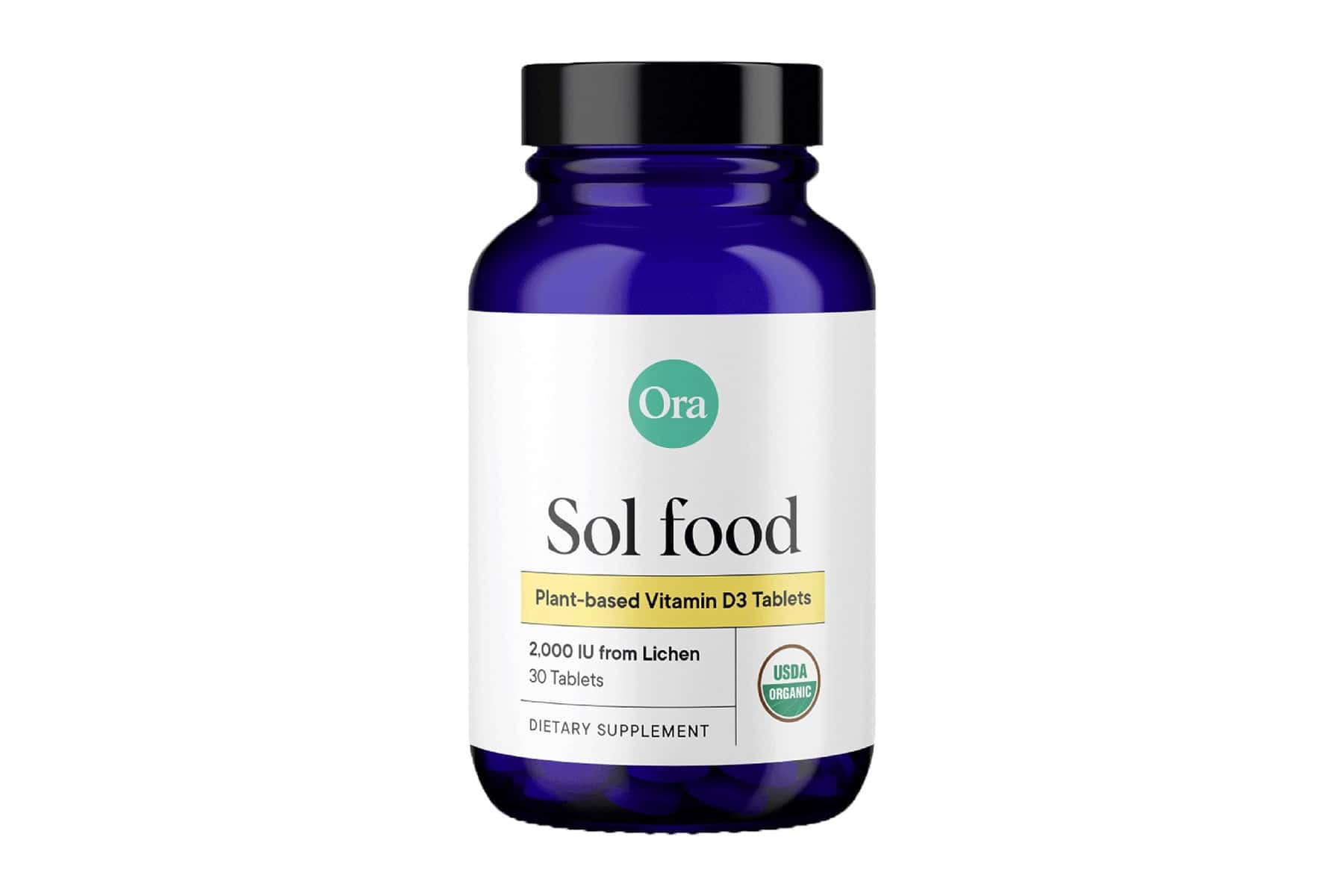
Ora Organic Sol Food Plant-based Vitamin D Tablets. Archived packaging shown. Ora Organic Sol Food Plant-based Vitamin D Tablets
3. Best for a plant-sourced D3 tablet
Its defined tablet serving gives a different practical choice from the liquid spray.
Read Ora Organic Sol Food Plant-based Vitamin D Tablets
Quick verdict
Separate infant and child products from adult options. For a plant-based adult format, compare the Garden of Life spray with Ora’s tablet; choose by label, measurement and dietary fit. A higher IU number is not a quality advantage.
Product comparison
| Product | Format and package | Documented label fact | Main tradeoff |
|---|---|---|---|
| Mommy’s Bliss Organic Baby Vitamin D Drops | Baby drops; 3.24 mL | 400 IU D3 per drop; lanolin source | Infant needs and administration require pediatric advice |
| Garden of Life Organics Vegan D3 Spray | Adult spray; Vanilla; 2 fl oz | 1,000 IU per spray; vegan | Current listing excludes children |
| Amazon Brand Mama Bear Organic Kids D3 Gummies | Children’s gummies; 80 count | 1,000 IU per gummy; vegetarian | Added sweeteners; check age and supervision |
| Garden of Life Organics Vegan D3 Chewables | Raspberry Lemon chewables; 30 count | USDA Organic and vegan manufacturer claim | Current amount and age directions need the label |
| Ora Organic Sol Food Plant-based Vitamin D Tablets | Sol Food tablets; 30 count | 2,000 IU D3 per tablet; lichen source | Review total intake and exact label |
| Bronson Organic Vitamin D3 | Adult tablets; 90 count | 5,000 IU D3 per tablet | Above the general adult upper limit |
| Pharmvista Organic Vitamin D3 Gummies | Cherry gummies; 60 count | 1,000 IU per gummy; lanolin source | Directions and complete formula remain conflicting |
1. Mommy’s Bliss Organic Baby Vitamin D Drops
Mommy’s Bliss labels its baby drops USDA Organic, with 400 IU of D3 per drop. The D3 comes from lanolin; the other ingredient is organic MCT oil.
- Format and package
- Baby drops; 3.24 mL
- Documented label fact
- 400 IU D3 per drop; lanolin source
Pros
- One-drop label measure; 0.11 fl oz (3.24 mL) bottle.
Cons
- Not vegan. Follow the instruction not to dispense directly into an infant’s mouth; a drop is not a dropper.
View Mommy’s Bliss Organic Baby Vitamin D Drops product details
2. Garden of Life Organics Vegan D3 Spray
Garden of Life’s Vanilla Organics Vegan D3 spray is a USDA Organic adult-format product using lichen-derived D3. Its current listing gives 1,000 IU in one spray.
- Format and package
- Adult spray; Vanilla; 2 fl oz
- Documented label fact
- 1,000 IU per spray; vegan
Pros
- Vegan spray format in a 2 fl oz bottle.
Cons
- The current listing says it is not intended for children. Do not use older children’s directions.
3. Amazon Brand Mama Bear Organic Kids D3 Gummies
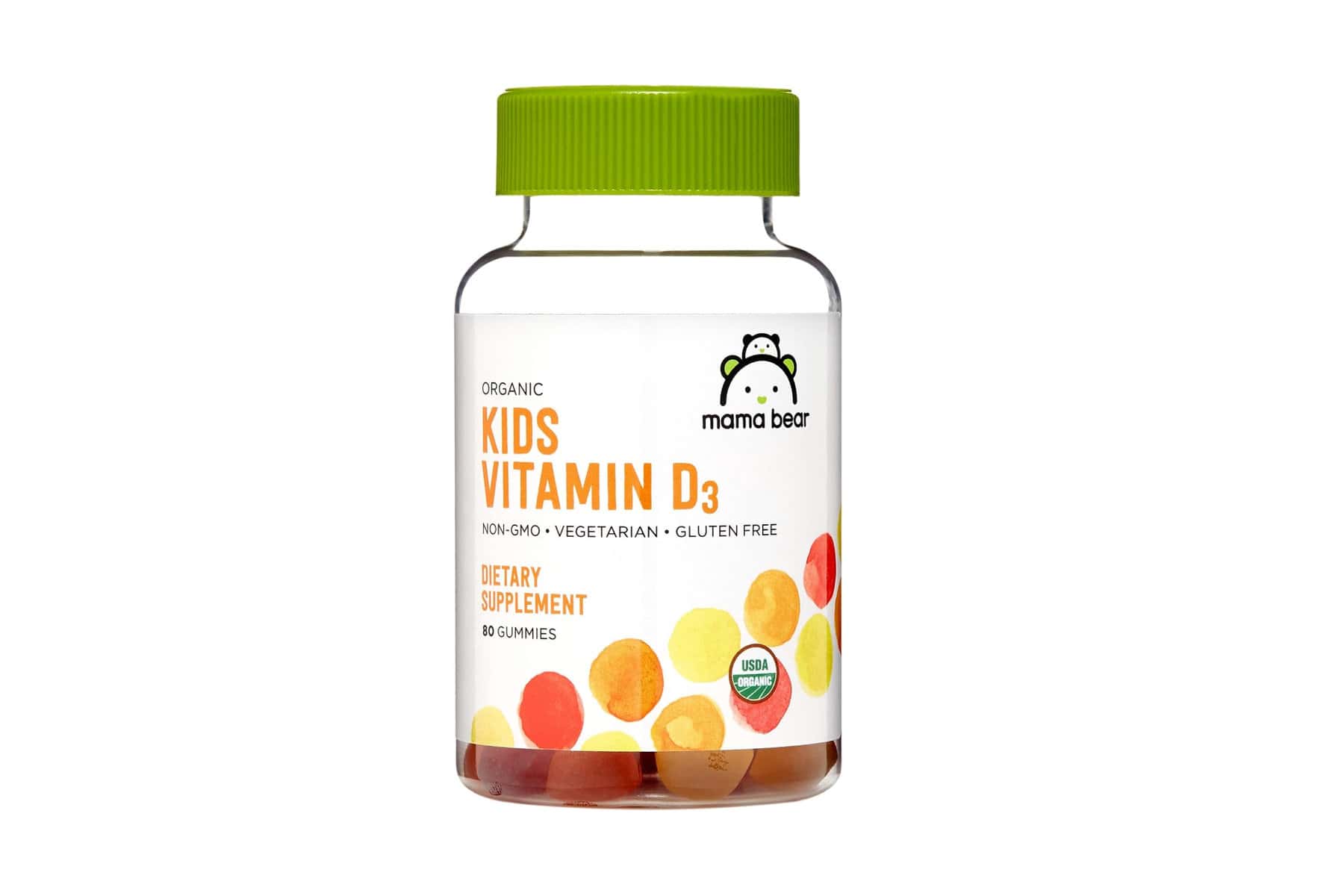
Mama Bear’s Organic Kids D3 listing describes a vegetarian gummy with 1,000 IU per gummy. The 80-count pack includes tapioca syrup and cane sugar.
- Format and package
- Children’s gummies; 80 count
- Documented label fact
- 1,000 IU per gummy; vegetarian
Pros
- Strawberry listing with an individually stated gummy amount.
Cons
- Not sugar-free; vegetarian does not establish vegan sourcing. The label calls for supervision and warns about choking.
View Amazon Brand Mama Bear Organic Kids D3 Gummies product details
4. Garden of Life Organics Vegan D3 Chewables

Garden of Life describes its Raspberry Lemon Organics D3 chewables as USDA Organic and vegan. The matched package contains 30 chewables.
- Format and package
- Raspberry Lemon chewables; 30 count
- Documented label fact
- USDA Organic and vegan manufacturer claim
Pros
- Chewable format for readers who prefer it to a spray or swallowed tablet.
Cons
- A current amount and children’s directions are not established here; use the purchased label.
View Garden of Life Organics Vegan D3 Chewables product details
5. Ora Organic Sol Food Plant-based Vitamin D Tablets
Ora’s current Sol Food label lists 2,000 IU of lichen-derived D3 per tablet and displays USDA Organic and CCOF marks. The bottle contains 30 tablets.
- Format and package
- Sol Food tablets; 30 count
- Documented label fact
- 2,000 IU D3 per tablet; lichen source
Pros
- Plant-sourced D3 in a tablet format.
Cons
- The 2,000-IU tablet can overlap other vitamin D products; include them when reviewing total intake.
View Ora Organic Sol Food Plant-based Vitamin D Tablets product details
6. Bronson Organic Vitamin D3
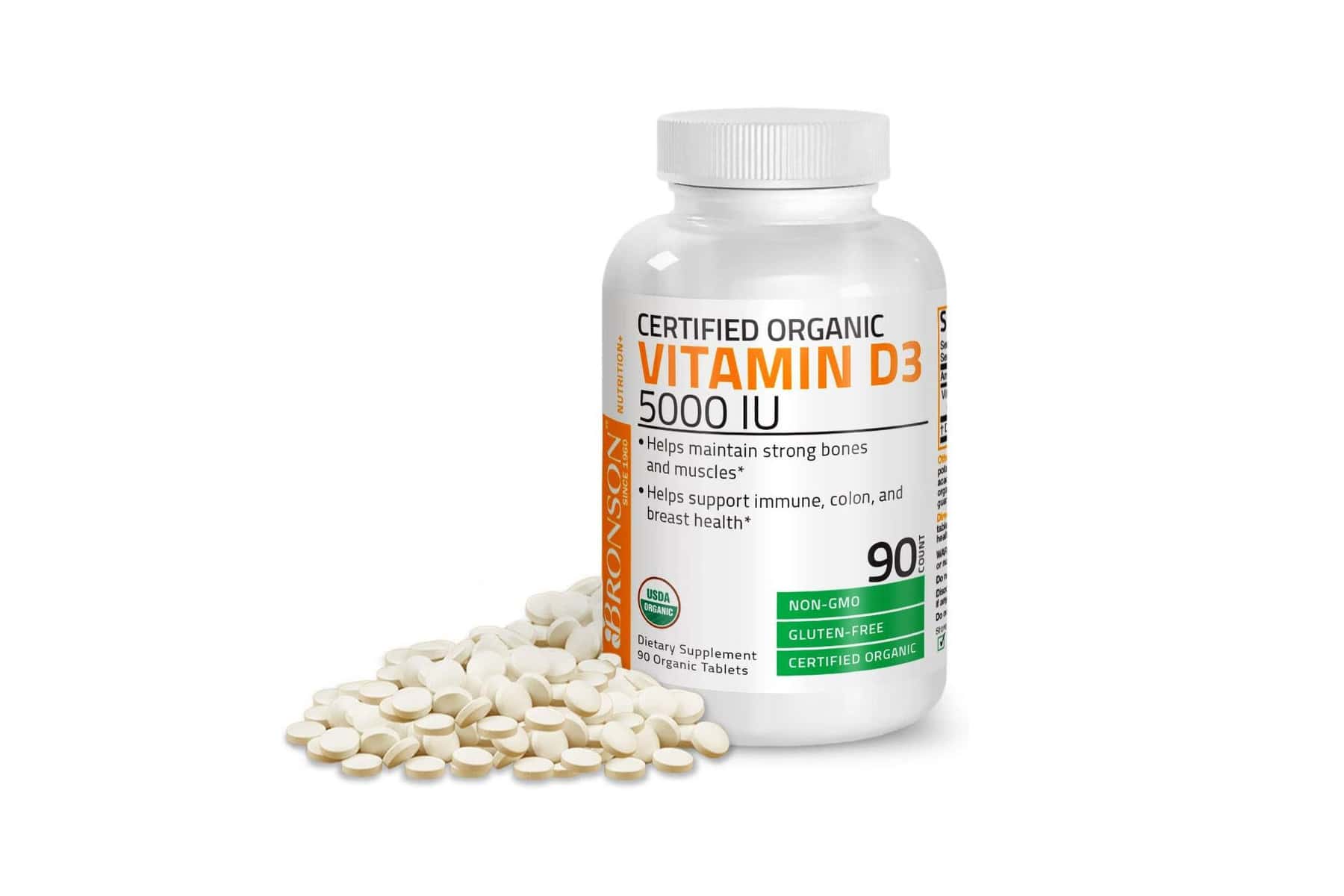
Bronson’s adult label lists 5,000 IU of D3 per tablet in a 90-tablet pack and names NOFA-NY Certified Organic, LLC as certifier.
- Format and package
- Adult tablets; 90 count
- Documented label fact
- 5,000 IU D3 per tablet
Pros
- A clearly identified adult strength and tablet count.
Cons
- This serving exceeds the general adult upper intake limit described below. Higher potency is not a routine-use recommendation.
7. Pharmvista Organic Vitamin D3 Gummies
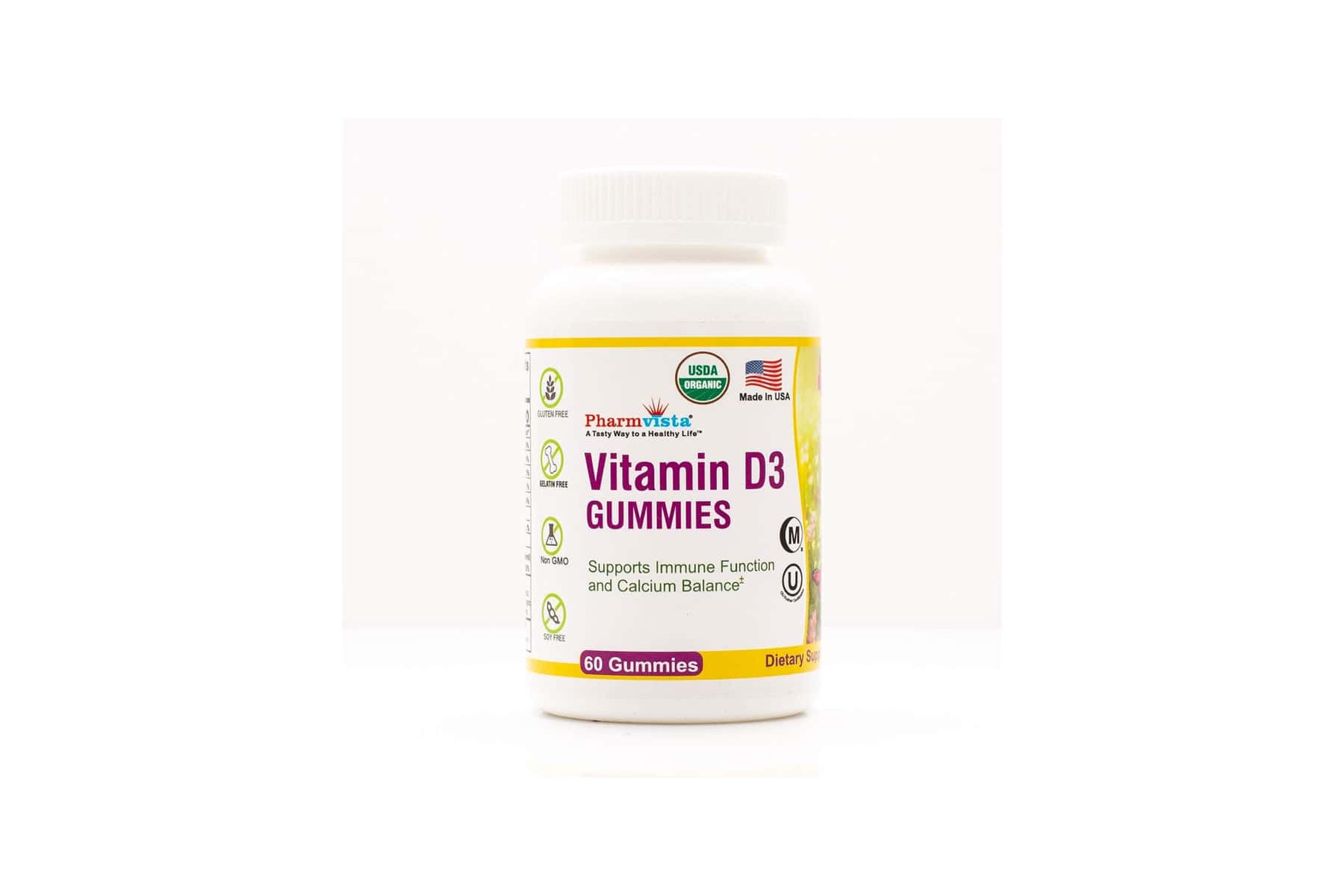
Pharmvista’s Cherry 60-count shop variant lists 1,000 IU of D3 per gummy and identifies lanolin-derived D3. The brand describes the gummies as organic.
- Format and package
- Cherry gummies; 60 count
- Documented label fact
- 1,000 IU per gummy; lanolin source
Pros
- A gummy format with a documented vitamin amount.
Cons
- Not vegan. Official pages disagree on daily directions and gelling ingredients; confirm the complete purchased label before use.
First, separate daily needs from the dose in a bottle
Vitamin D helps the body absorb calcium. The U.S. reference amounts below describe total daily intake, including food, fortified drinks and supplements. They are not instructions to add that amount of supplement on top of everything already consumed. NIH Office of Dietary Supplements: Vitamin D
| Life stage | Daily reference intake |
|---|---|
| Birth through 12 months | 10 mcg / 400 IU |
| Ages 1–70 years | 15 mcg / 600 IU |
| Ages 71 years and older | 20 mcg / 800 IU |
| Pregnancy and breastfeeding | 15 mcg / 600 IU |
The infant age boundary matters: 400 IU applies through 12 months in this reference table; older children have a different reference intake. Mayo Clinic: Vitamin D
For generally healthy, nonpregnant adults younger than 75, the Endocrine Society suggests against routine vitamin D supplementation above established dietary reference intakes for disease prevention. Its recommendations for these adults also suggest against routine vitamin D testing when there is no other established indication. Endocrine Society recommendations 2–5
Pregnancy is addressed separately. The Society suggests empiric vitamin D supplementation during pregnancy, which may include fortified foods, prenatal vitamins containing vitamin D and/or a vitamin D supplement. It also suggests against routine vitamin D testing in generally healthy pregnant people without another established indication. These recommendations do not provide a single personal dose or replace care for a diagnosed deficiency; discuss the appropriate plan with a clinician. Endocrine Society recommendations 8–9
More vitamin D is not a quality score
The U.S. tolerable upper intake level is 100 mcg, or 4,000 IU, per day for adults and people aged nine and older. Younger children have lower limits. An upper limit is a safety boundary for usual intake, not a target to aim for. Clinicians may use different doses for particular medical reasons. NIH professional fact sheet
A product providing 5,000 IU per serving therefore should not win a general-purpose “best potency” award simply because the number is large. When comparing labels, include vitamin D from multivitamins and combination products. Excess supplemental vitamin D can cause high blood calcium and serious harm, including kidney problems; it can also interact with medicines. A product should never be described as risk-free. NIH professional fact sheet
What does organic mean on a supplement?
USDA distinguishes finished-product certification from ingredient claims. Its organic category requires at least 95% organic ingredients, excluding water and salt. USDA labeling overview
Our selection method treats organic status, ingredient identity and dose as separate checks. An organic claim does not answer whether a serving is appropriate for the person taking it. Likewise, a vegan claim answers a sourcing question; it does not establish a suitable dose.
FDA does not approve dietary supplements for safety and effectiveness before sale. FDA supplement guidance
D2, D3, drops, sprays and capsules
D2 and D3 can both increase vitamin D levels; D3 may raise them higher and maintain them longer. This distinction concerns the form of the vitamin. It does not establish that every liquid product works better than every tablet. NIH vitamin D overview
Choose a format you can measure correctly. For a liquid, record whether the serving is one drop, a measured volume or a spray. For a gummy or chewable, check how many pieces make a serving. Packaging that looks similar can contain a different concentration.
If the product also contains K2, evaluate that ingredient separately. Vitamin K can interact with warfarin, so adding a combination product can require professional advice even when the vitamin D amount looks familiar. NIH: Vitamin K
How to compare a product before buying
Use the same questions for every candidate:
- Is the exact product intended for the relevant age group?
- How much vitamin D is in one serving, and how is that serving measured?
- Is it D2 or D3, and is the source compatible with any dietary preference?
- Does it include K2, calcium or other ingredients that need separate consideration?
- Does the organic statement apply to the finished product or only named ingredients?
- Can the retailer’s variant, size and label be matched to the manufacturer’s information?
Compare cost per complete labeled serving after matching the product, age group and formula.
Research note
This guide uses AI-assisted documentary research of the cited labels and public guidance. We compare formats, ingredients and serving information; we have not used or clinically tested the products, and no medical review is claimed.
Sources
- Mommy’s Bliss baby-drop label
- Garden of Life Vanilla spray
- Matched Vanilla spray listing
- Mama Bear NIH label
- Mama Bear gummy listing
- Garden of Life Raspberry Lemon chewables
- NIH chewable label
- Ora Sol Food tablets
- Ora Sol Food nutrient panel
- Bronson 5,000-IU tablets
- Pharmvista D3 information
- Pharmvista Cherry gummy variant
- View Pharmvista Organic Vitamin D3 Gummies product details
- NIH Office of Dietary Supplements: Vitamin D
- Mayo Clinic: Vitamin D
- Endocrine Society recommendations 2–5
- NIH professional fact sheet
- USDA labeling overview
- FDA supplement guidance
- NIH: Vitamin K