Best Organic Vitamin C Supplements: Serving and Ingredient Guide
Compare oral vitamin C by the amount per full serving, the measuring unit, age label and organic claim scope. Capsule, tablet and liquid examples below have different serving units; fruit-powder weight is not a vitamin C amount. A vitamin C skin-care serum belongs to a separate category.
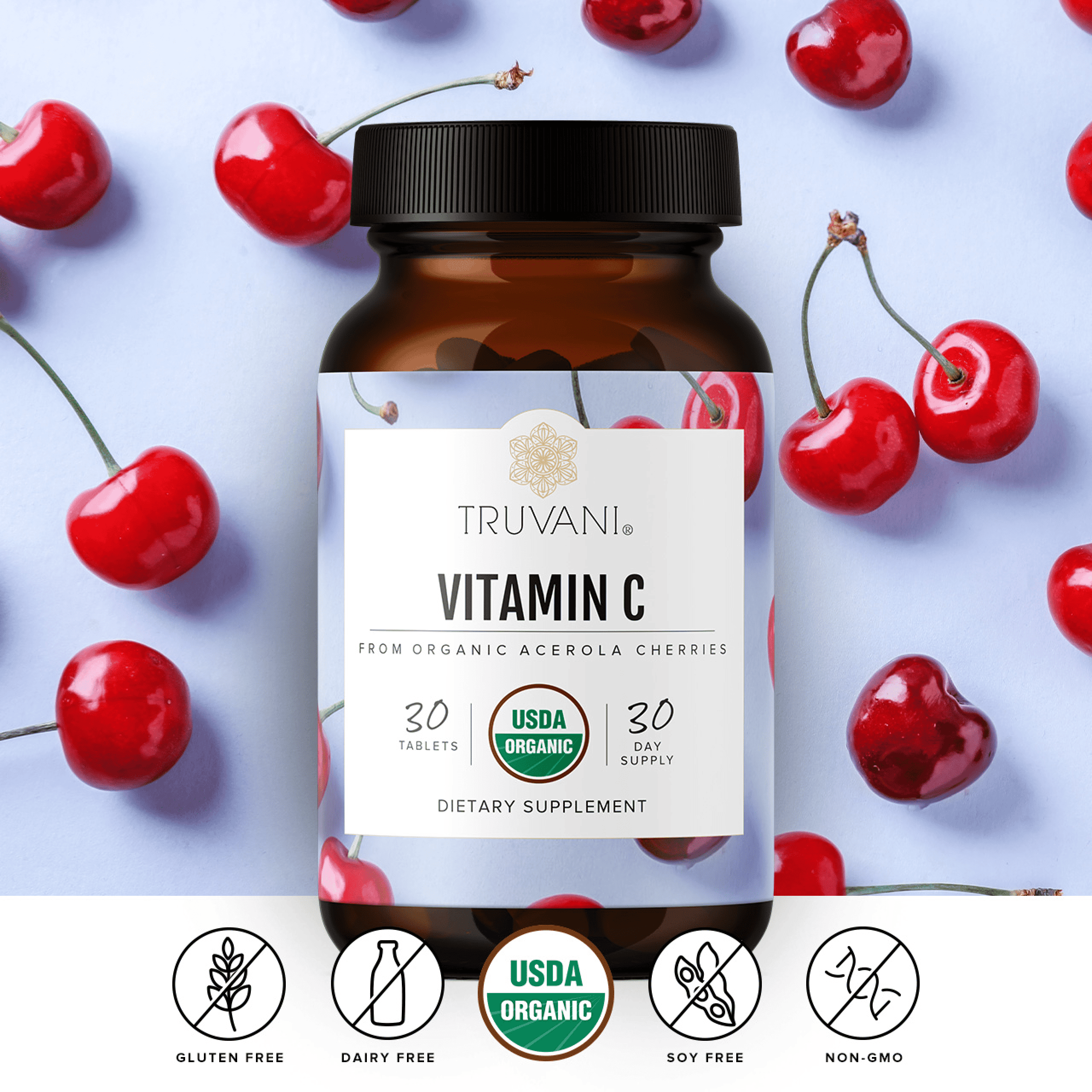
Our Top 3 picks
Our three starting choices from the 4 documented options below are selected for capsule, tablet and measured-liquid serving units with documented vitamin C amounts.
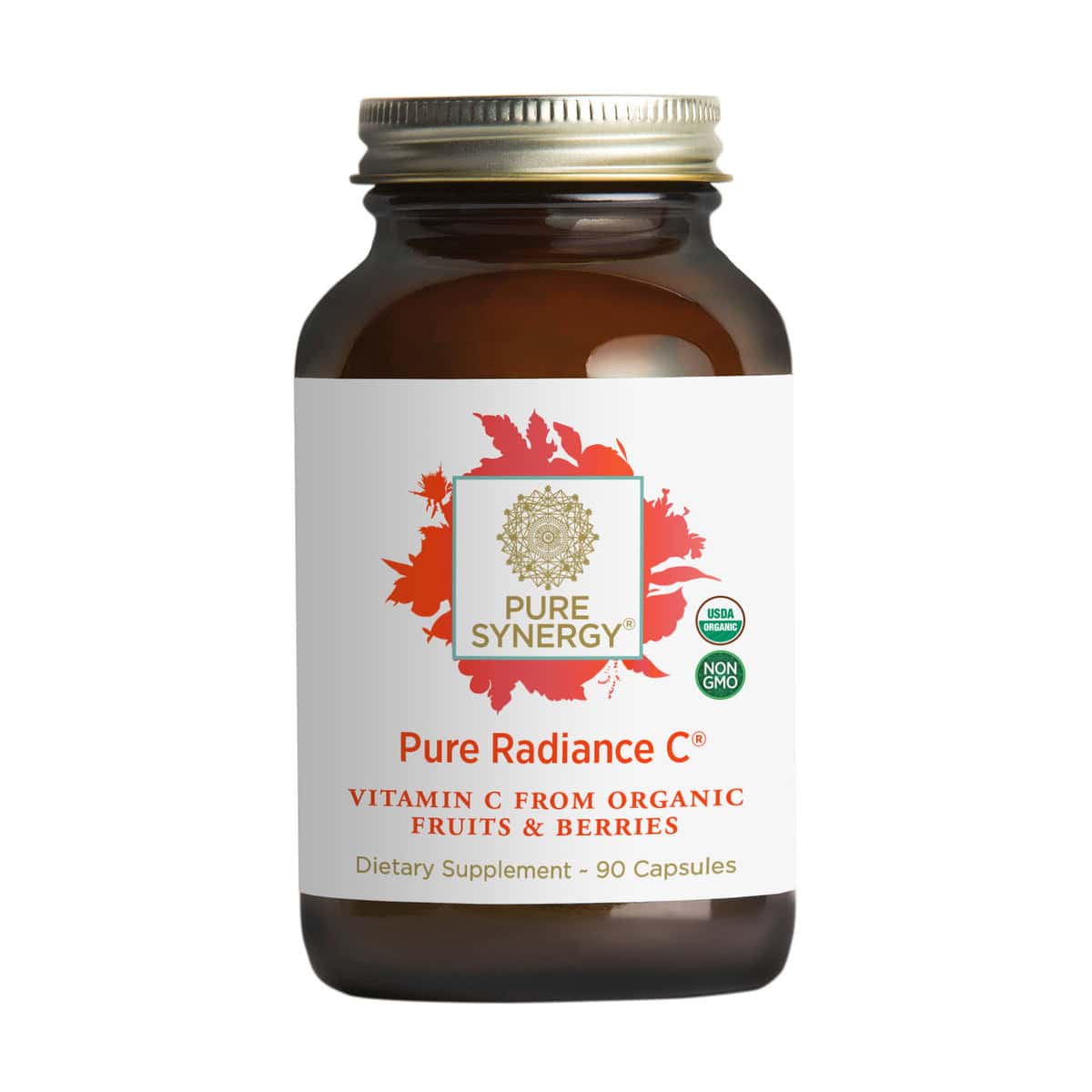
Pure Synergy Pure Radiance C
1. Best for a one-capsule serving
One capsule is one documented serving.
Read Pure Synergy Pure Radiance CTruvani Vitamin C
2. Best for a one-tablet serving
The measured tablet is a distinct format for readers who prefer it to capsules or liquid.
Read Truvani Vitamin C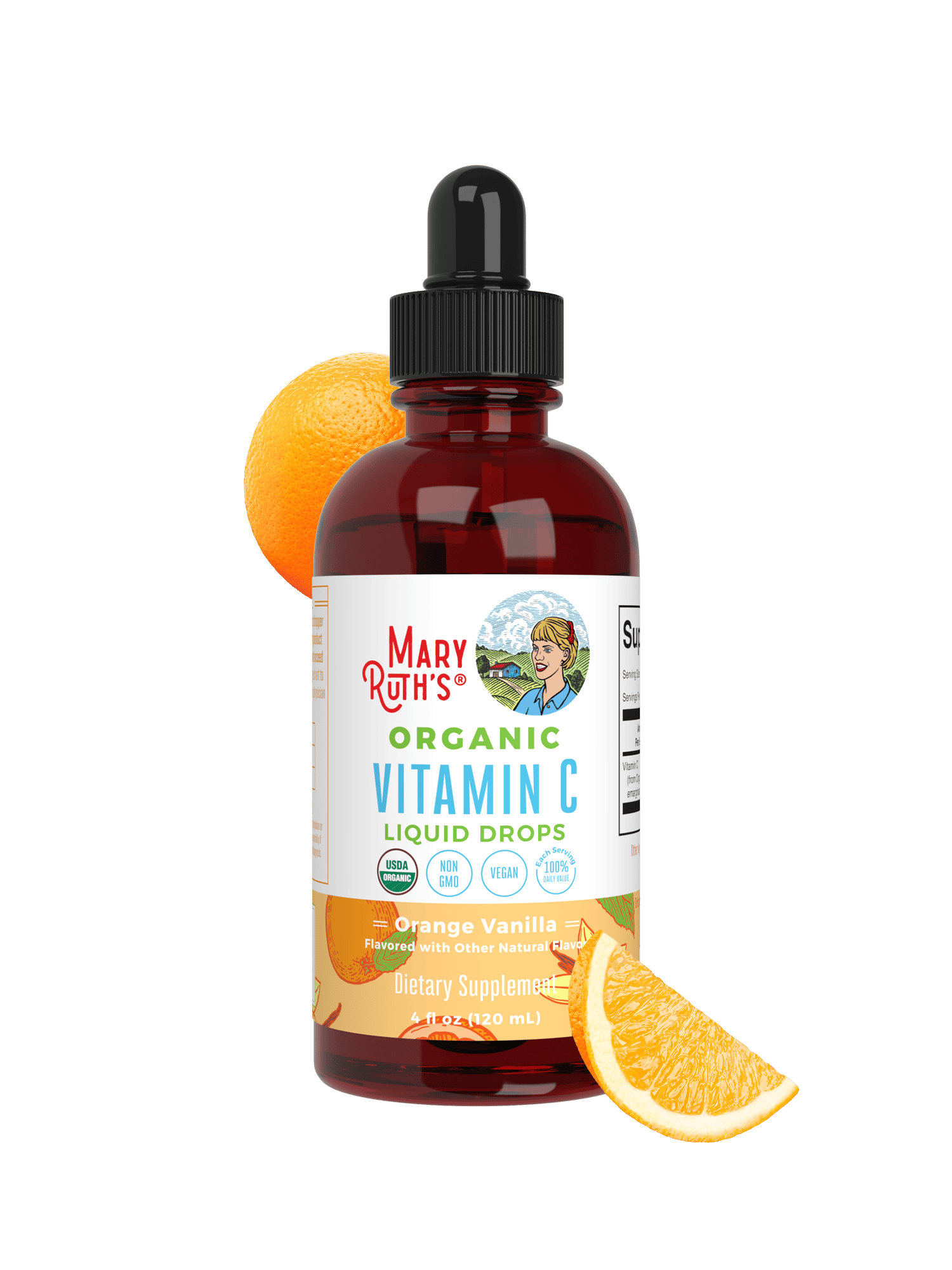
MaryRuth’s Organic Vitamin C Liquid Drops
3. Best for a measured liquid
The liquid label makes population-specific volumes visible for a careful comparison.
Read MaryRuth’s Organic Vitamin C Liquid Drops
Quick verdict
For a stated capsule serving, Pure Radiance C lists 90 mg; Truvani’s tablet lists 135 mg. Prefer a measured liquid? MaryRuth’s label separates ages 4+ from pregnancy/lactation. Select the format and discuss nutrient need; a larger number does not establish better results.
Product comparison
| Product | Full-serving label fact | Format and package | Important boundary |
|---|---|---|---|
| Pure Synergy Pure Radiance C | 1 capsule; 90 mg vitamin C | Current formula; 90 capsules | Minimum age not established |
| Truvani Vitamin C | 1 tablet; 135 mg vitamin C | 30 tablets; 30 servings | Include other vitamin C sources in total intake |
| MaryRuth’s Organic Vitamin C Liquid Drops | Ages 4+: 4 mL / 90 mg; pregnancy/lactation: 5.3 mL / 120 mg | Orange Vanilla; 4 fl oz (120 mL) | Separate populations; no drop-count conversion |
| Garden of Life Organics Vitamin C Spray | Vitamin amount and full serving not established | Cherry Tangerine spray; 2 oz (58 mL) | Numerical comparison needs the matched panel |
1. Pure Synergy Pure Radiance C
Pure Synergy’s current capsule label lists 90 mg per capsule, 90 servings in 90 capsules and a USDA Certified Organic claim.
- Full-serving label fact
- 1 capsule; 90 mg vitamin C
- Format and package
- Current formula; 90 capsules
Pros
- One-capsule nutrient measure.
Cons
- Minimum age unconfirmed; keep this amount separate from the powder’s teaspoon serving.
2. Truvani Vitamin C
Truvani’s Vitamin C panel lists 135 mg per tablet in a 30-tablet bottle. The brand presents a finished-product USDA Organic claim.
- Full-serving label fact
- 1 tablet; 135 mg vitamin C
- Format and package
- 30 tablets; 30 servings
Pros
- One-tablet serving with a documented vitamin C amount.
Cons
- The 135-mg tablet can overlap a multivitamin or fortified drink; review the complete routine.
3. MaryRuth’s Organic Vitamin C Liquid Drops
MaryRuth’s Orange Vanilla panel lists 90 mg in 4 mL for its ages 4+ column and 120 mg in 5.3 mL for its pregnant/lactating column. The 4 fl oz bottle displays USDA Organic.
- Full-serving label fact
- Ages 4+: 4 mL / 90 mg; pregnancy/lactation: 5.3 mL / 120 mg
- Format and package
- Orange Vanilla; 4 fl oz (120 mL)
Pros
- Measured liquid with separate label populations.
Cons
- The use chart says up to those volumes. Do not guess drop counts, infer infant use or treat either column as personal dosing advice.
View MaryRuth’s Organic Vitamin C Liquid Drops manufacturer details
4. Garden of Life Organics Vitamin C Spray
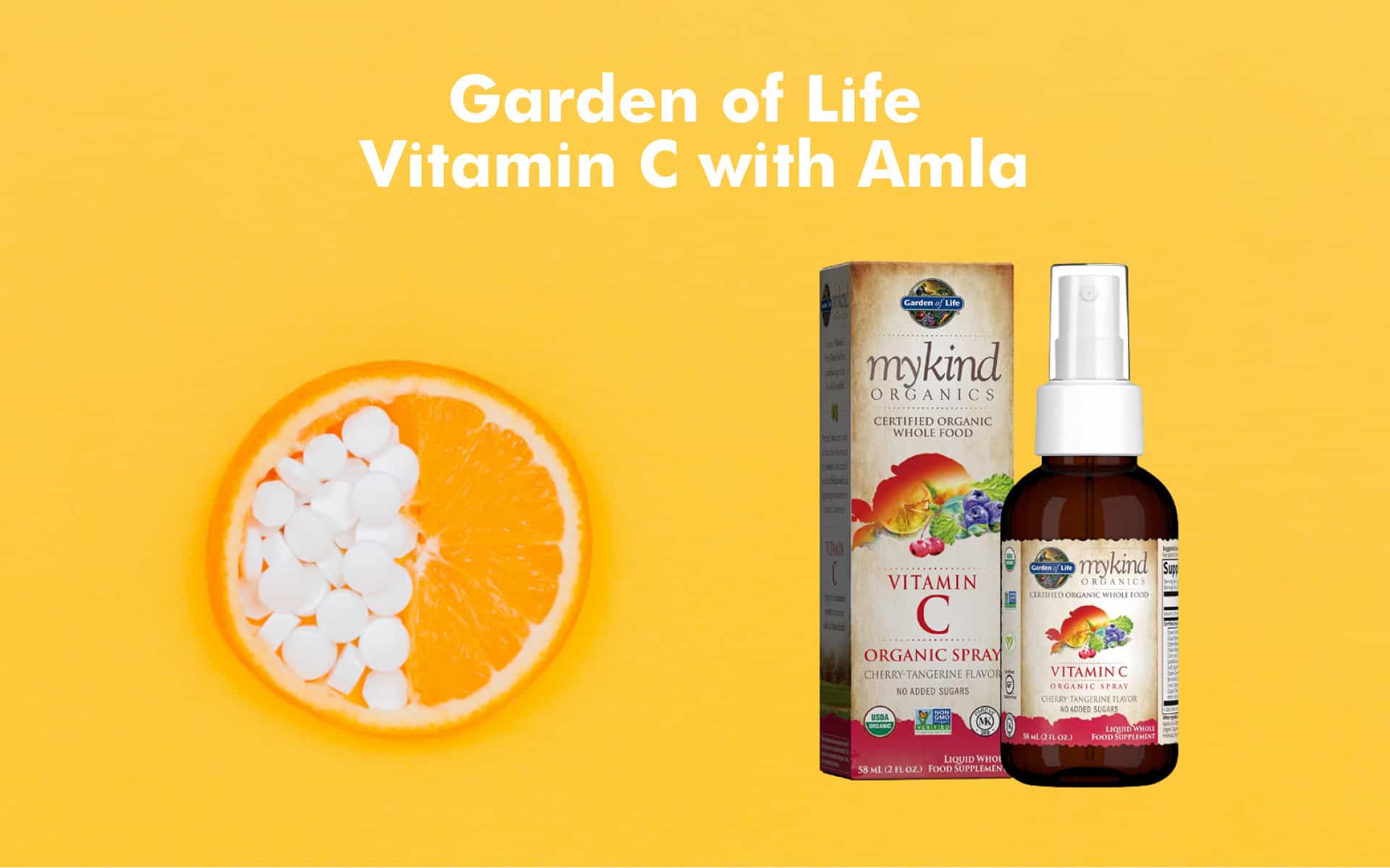
Garden of Life identifies its Cherry Tangerine Organics Vitamin C Spray as a 2 oz (58 mL) product with a finished-product USDA Organic claim.
- Full-serving label fact
- Vitamin amount and full serving not established
- Format and package
- Cherry Tangerine spray; 2 oz (58 mL)
Pros
- A named spray format for readers considering a liquid alternative.
Cons
- A matched full-serving nutrient panel, minimum age and bottle serving count are not established here. Do not reconstruct the missing pair.
View Garden of Life Organics Vitamin C Spray product details
A separate powder format
The current Pure Radiance C powder page lists 120 mg of vitamin C per approximately 1/4 teaspoon, in a 3.1 oz container with 120 servings. It describes the formula as USDA Certified Organic. The gram weight and minimum age are not established here. Keep the powder separate from the capsule serving; no teaspoon-to-gram conversion is supplied. Pure Radiance C powder, Pure Radiance C formula FAQ.
Global Healing: unresolved label conflict
Global Healing’s published panels and same-page Q&A disagree on vitamin C amounts and ingredients. That conflict excludes it from the numeric comparison and featured choices. Several ingredients are described as organic; this does not establish finished-product certification. Global Healing Vitamin C page and Q&A.
Put the supplement in a food context
Vitamin C supports normal functions including collagen formation and absorption of iron from plant foods. Fruits and vegetables can supply it, and most U.S. people obtain enough from food and beverages. NIH vitamin C overview. Before shopping, consider what the supplement is intended to add to your usual eating pattern.
This question is particularly useful when several products already contain vitamin C. A multivitamin, fortified drink and standalone tablet might all appear in the same day's routine. List them together. A high-strength product should have a specific rationale rather than win by displaying the largest number.
Distinguish nutrient weight from ingredient weight
Read the line labeled vitamin C on the Supplement Facts panel, including its unit and serving size. Then read the ingredient information describing where it comes from. A fruit blend's total weight includes material other than vitamin C, so do not place that total in the nutrient column.
Record the vitamin C amount, full serving, form, fruit ingredients, extras and organic claim separately.
If a product does not disclose vitamin C content, acknowledge that limitation. A colorful ingredient list does not make the missing number calculable. Do not borrow a figure from a different product, a generic food database entry or a previous version of the same label.
Choose a format you can measure
Use the format to answer practical questions instead. Can you read the amount accurately? Is the serving convenient? Are all ingredients acceptable for your dietary needs? Does a flavored powder require a drink you already use, or is the advertised preparation different from yours? These questions can narrow a shortlist without pretending to compare clinical performance.
Use the unit in the table when comparing packages. A spray count, a teaspoon and a measured liquid volume are different measures; do not substitute one for another. Keep a separate entry when the label gives different servings for different populations.
A stated serving count helps describe the package, but it does not tell you how long that package should last for your personal routine. Resolve a missing measurement or a formula conflict before using the entry for a numerical comparison.
Does “whole food” mean better absorption?
NIH reports equivalent bioavailability for supplemental ascorbic acid and the ascorbic acid naturally present in food. NIH vitamin C professional reference.
Synthetic ascorbic acid should not be dismissed as fake or poorly absorbed. Likewise, fruit sourcing alone is not evidence that a supplement absorbs better. A superiority claim needs evidence for the specific comparison.
Avoid immunity shortcuts
Vitamin C's normal role in immune function does not establish that a product prevents infection. NIH reports that supplements do not generally prevent colds in the wider population. Starting them after symptoms appear has not shown a clear benefit. NIH cold evidence. Treat “immune support” as a claim to examine, not a reason to replace appropriate medical care.
More is not automatically appropriate
Large amounts can cause gastrointestinal effects. NIH gives an adult upper limit of 2,000 mg daily from all sources, with lower limits for children; this is a ceiling, not a target. People receiving cancer treatment or with iron-overload disorders need particular clinical advice before supplementing. NIH vitamin C cautions.
For organic status, distinguish a certified finished product from one containing specified organic ingredients. USDA defines separate labeling categories. USDA organic market rules. Verify the precise claim and certifier before describing the entire bottle as certified organic.
A good purchase record includes the dated label, serving count and any unanswered questions. Compare cost per serving only after identifying products with a suitable role in your routine. There is no need to award an “immune boosting” winner when the evidence supports a more modest nutrient comparison.
Research note
This guide uses AI-assisted documentary research of the cited labels and public guidance. We compare formats, ingredients and serving information; we have not used or clinically tested the products, and no medical review is claimed.
Sources
- Pure Radiance C capsules
- Pure Radiance C formula FAQ
- Truvani Vitamin C label
- Truvani nutrient panel
- MaryRuth Orange Vanilla drops
- MaryRuth vitamin C panel
- MaryRuth age-volume use chart
- Garden of Life Cherry Tangerine spray
- Pure Radiance C powder
- Global Healing Vitamin C page and Q&A
- NIH vitamin C overview
- NIH vitamin C professional reference
- USDA organic market rules