
Organic Shampoos for Thinning Hair: What They Can and Cannot Do
Compare shampoo for the job its label describes: cleansing, fuller-looking hair or reduced breakage. Ongoing shedding and hair loss need a different assessment from cosmetic volume. The three examples below are cosmetic shampoos, with claim scope and formula details kept visible.

Our Top 3 picks
These three cosmetic-shampoo picks compare stated appearance goals, exact bottle format and documented formula or certification details.

Archived 14 fl oz bottle; confirm its formula. Avalon Organics Thickening Biotin B-Complex Shampoo
1. an archived thickening-shampoo format
Confirm the archived bottle’s own formula and certification.
Read details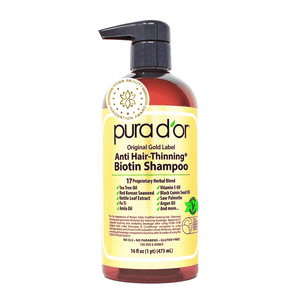
PURA D’OR Original Gold Label Shampoo
2. a breakage-related cosmetic appearance goal
A clearly scoped claim about the appearance of thinning from breakage.
Read details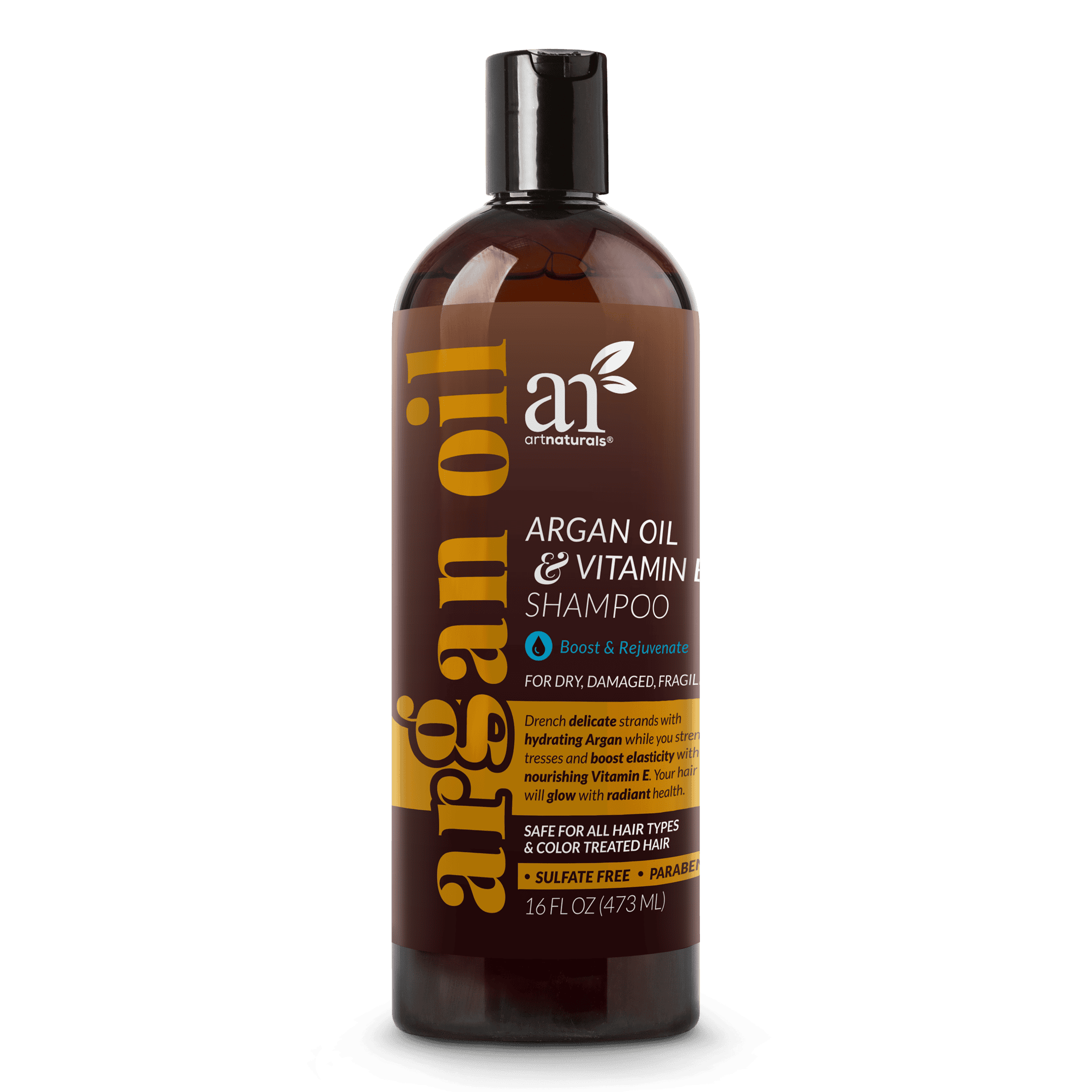
Artnaturals Gold Argan Oil & Vitamin E Shampoo
3. a clearly named cosmetic shampoo alternative
A defined cosmetic shampoo alternative in a 16 oz bottle.
Read details
Quick verdict
Avalon’s archived bottle requires its own label check. PURA D’OR describes the appearance of thinning caused by breakage; Artnaturals adds a defined argan-oil-and-vitamin-E shampoo. Choose a cleansing role and formula preference while keeping hair-loss treatment decisions separate.
Compare the options
| Product | Format / role | Selected example | Documented distinction |
|---|---|---|---|
| Avalon Organics Thickening Biotin B-Complex Shampoo | Cosmetic thickening shampoo | Archived 14 fl oz | Archived certification needs confirmation |
| PURA D’OR Original Gold Label Shampoo | Cosmetic shampoo | Single 16 oz bottle | Appearance of thinning from breakage |
| Artnaturals Gold Argan Oil & Vitamin E Shampoo | Cosmetic shampoo | 16 oz / 473 mL | Current Gold Argan Oil & Vitamin E product |
1. Avalon Organics Thickening Biotin B-Complex Shampoo — for an archived thickening format
Avalon’s current 11 fl oz product page describes a fuller-looking-hair purpose, QAI / NSF/ANSI 305 certification and Sodium Coco-Sulfate. These facts do not establish the formula or certification of the archived 14 fl oz bottle pictured.
- Format / role
- Cosmetic thickening shampoo
- Selected example
- Archived 14 fl oz
- Documented distinction
- Archived certification needs confirmation
Pros
- Thickening purpose on archived label
- Current 11 fl oz certification claim
Cons
- Archived formula needs its own ingredient check
2. PURA D’OR Original Gold Label Shampoo — for a breakage-related appearance claim
PURA D’OR describes its current Original Gold Label Shampoo as reducing the appearance of thinning caused by breakage. This manufacturer link covers the shampoo, without assigning its ingredient list to a conditioner.
- Format / role
- Cosmetic shampoo
- Selected example
- Single 16 oz bottle
- Documented distinction
- Appearance of thinning from breakage
Pros
- Breakage-related appearance goal
- Single 16 oz shampoo format
Cons
- The appearance claim concerns breakage; it does not establish follicle regrowth
3. Artnaturals Gold Argan Oil & Vitamin E Shampoo — for an argan-oil-and-vitamin-E format
Artnaturals Gold Argan Oil & Vitamin E Shampoo is a cosmetic shampoo in a 16 oz / 473 mL format. Assess it for its cleansing role and own directions rather than taking hair-growth wording as a regrowth result.
- Format / role
- Cosmetic shampoo
- Selected example
- 16 oz / 473 mL
- Documented distinction
- Current Gold Argan Oil & Vitamin E product
Pros
- Named argan-oil-and-vitamin-E shampoo
- 16 oz / 473 mL bottle
Cons
- A cleansing shampoo cannot explain the cause of ongoing hair loss
Separate hair loss from the appearance of fuller hair
A shampoo promoted for volume may address the way hair looks after washing. A conditioning routine may help limit breakage. Neither result is the same as demonstrating new growth from a hair follicle. Do not use a thicker-looking ponytail in an advertisement as evidence that a treatment has reversed hair loss.
The distinction matters when reading a claim. FDA identifies restoring hair growth as a drug claim; ordinary cleansing shampoos are cosmetics. FDA product categories. A product can also have more than one regulated purpose, as with certain medicated shampoos. Read its actual label instead of treating every bottle in the shampoo aisle as equivalent.
What a shampoo can contribute
Choose a cleansing product suited to your hair and scalp, with directions you can follow consistently. AAD recommends gentle shampoo and conditioning for people experiencing hair loss, while encouraging assessment of the cause. AAD hair-loss care.
When comparing products, ask whether the promised result is easier combing, less breakage, more volume or treatment of a diagnosed condition. Give each claim its own evidence requirement. An ingredient’s popularity, laboratory experiment or presence in a supplement cannot prove that a rinse-off shampoo delivers the same outcome.
Read a hair-growth study critically
Look for the exact formula tested, the people enrolled, comparison group, duration and outcome. A study that counted broken hairs does not demonstrate follicle regrowth. A trial of a shampoo used with a leave-on treatment cannot tell you what the shampoo achieved independently unless its design separates those effects.
Before-and-after photographs need comparable lighting, hairstyle and timing. Even then, photographs alone may not explain why a change occurred. If the manufacturer supplies only testimonials, describe them as testimonials rather than clinical proof.
Organic and preservative claims
Organic ingredients do not establish finished-shampoo certification. USDA.
There is also no basis for blaming all thinning hair on parabens. FDA explains their preservative role and says it currently lacks information showing effects on human health from their use in cosmetics. FDA parabens information. A personal allergy is a specific reason to avoid an ingredient; a broad “toxic shampoo” story is not a diagnosis.
When another shampoo is not the next step
If you are concerned about ongoing thinning or hair loss, arrange an evaluation rather than cycling through increasingly expensive cosmetic promises. AAD emphasizes identifying the cause because hair loss has many possible explanations. AAD guidance.
Bring a concise record of when the change began, any scalp symptoms and products or treatments you have used. This information is more useful than trying to diagnose yourself from a product label. While that is being assessed, compare shampoos for their documented cleansing purpose, instructions, tolerability and cost. Keep any hair-loss treatment decision separate from an unsupported organic ranking.
How this guide was prepared: Loyal Organic used AI-assisted documentary research with the cited public guidance and manufacturer sources. These are feature-based editorial choices; no product was applied, worn or tested.