Best Organic Protein Powders: Ingredients and Dietary Fit
The most useful organic protein powder is one that fits its intended role in your meals. A powder for mixing into oatmeal, a drink after training and a product intended to replace a meal are different purchases. Decide which job you need it to do before comparing flavors, tub sizes or grams of protein.
Our Top 3 picks
Our three starting choices from the 7 documented options below are selected for named protein sources and package preferences: mixed plant proteins, a ten-serving pack and hemp.
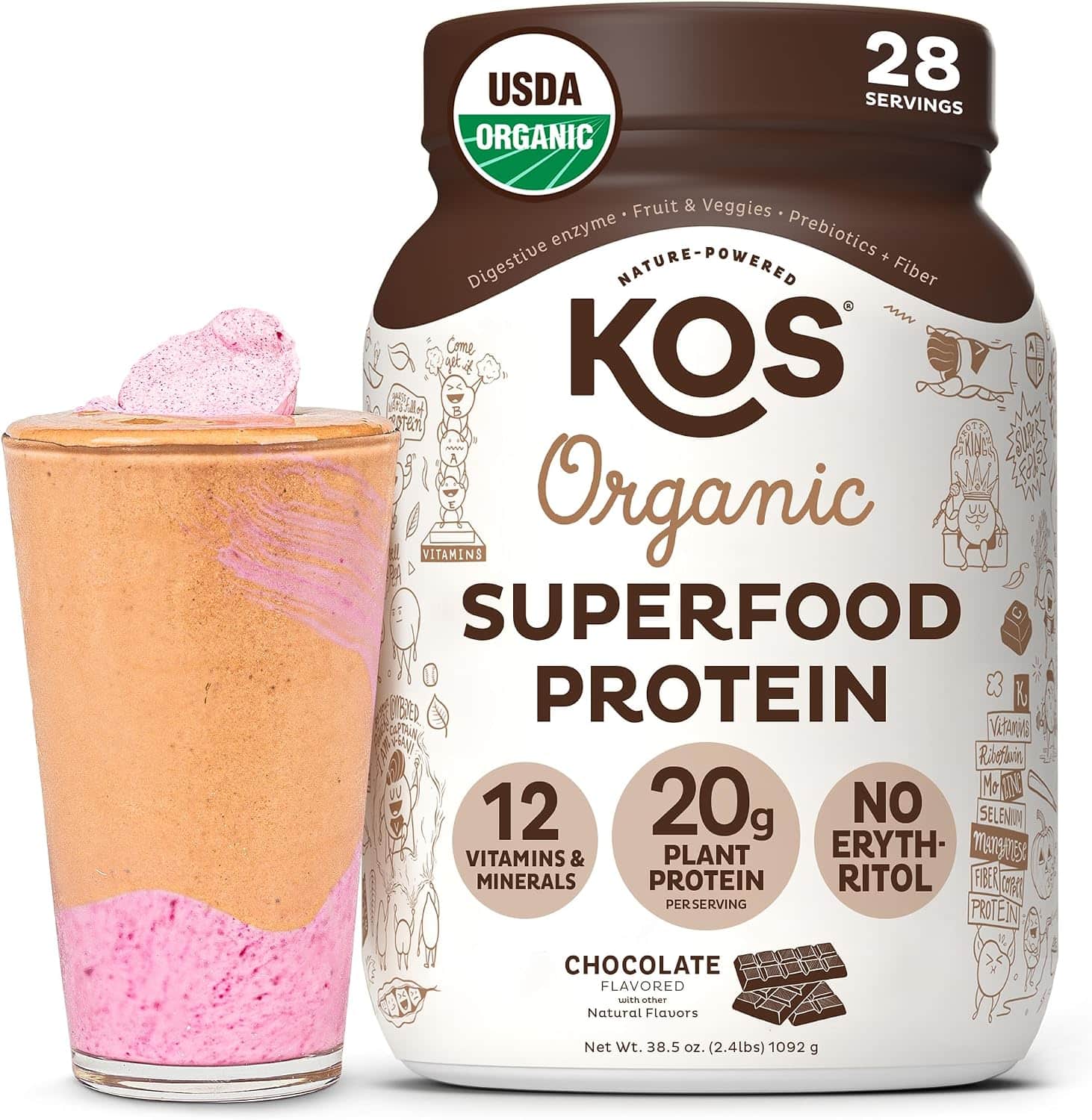
Chocolate; 28 servings. KOS Organic Plant Protein
1. Best for a multi-source plant blend
The individually named protein sources make this blend easy to compare with single-source choices.
Read KOS Organic Plant Protein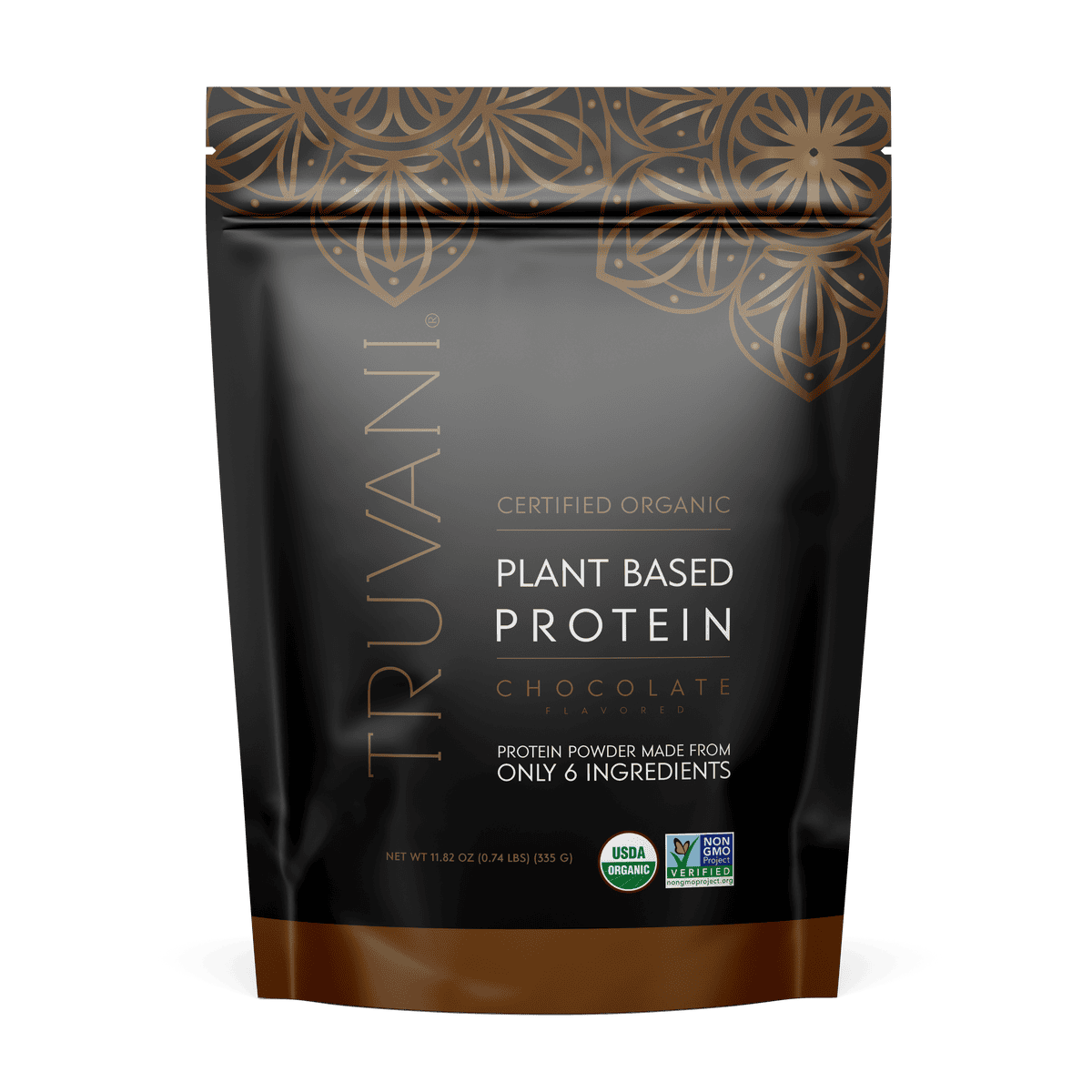
Truvani Organic Plant Based Protein
2. Best for trying a smaller 10-serving pack
Ten servings provide a distinct package preference without claiming a lower price or better taste.
Read Truvani Organic Plant Based Protein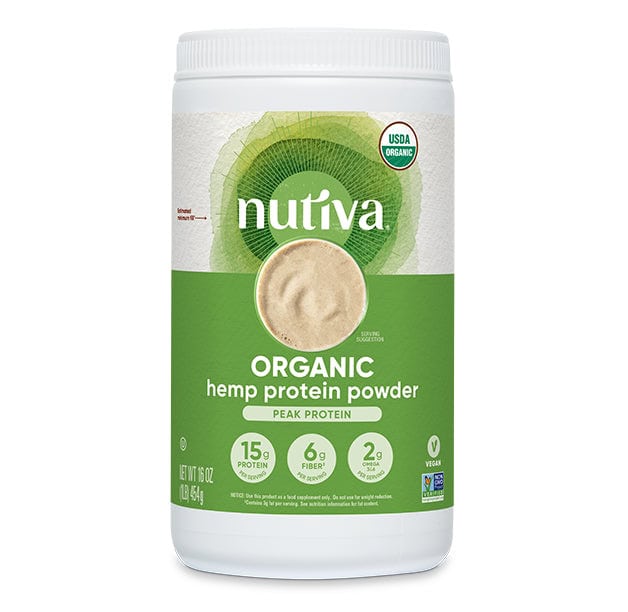
Nutiva Organic Hemp Protein
3. Best for hemp protein
Its identified hemp variant offers a different ingredient route from the mixed plant blends.
Read Nutiva Organic Hemp Protein
Quick verdict
Use the ingredient list to narrow the format: KOS offers a documented multi-source plant blend, Truvani’s selected Chocolate pack contains ten servings, and Nutiva provides a distinct hemp option. Keep peanut powder, meal powders and protein powders in their own roles.
Product comparison
| Product | Exact format and package | Documented ingredient or claim | Tradeoff to check |
|---|---|---|---|
| KOS Organic Plant Protein | Chocolate; 28 servings | Pea, pumpkin, quinoa, chia and flax proteins | Compare the actual nutrition and allergens |
| Truvani Organic Plant Based Protein | Chocolate; 10 servings | USDA Organic manufacturer claim | Smaller pack needs more frequent repurchase |
| Nutiva Organic Hemp Protein | Peak Protein; 16 oz | Organic hemp-protein variant | Use its own serving and nutrient figures |
| Orgain Organic Protein | Vanilla Bean; 2.03 lb | Plant-based protein powder | Need serving mass and protein grams |
| Sunwarrior Warrior Blend Organic Protein | Chocolate; 30 servings | Retailer 750 g example | Compare offered formula |
| PBfit Organic Peanut Butter Powder | Peanut powder; 30 oz | Roasted peanuts, coconut sugar and salt | Peanut and sugar ingredients |
| Vega All-in-One Nutrition | French Vanilla Large; 18 servings | Organic plant-protein ingredient description | All-in-one nutrition role |
1. KOS Organic Plant Protein
KOS describes Organic Plant Protein Chocolate with pea, pumpkin seed, quinoa, chia and flax proteins. The selected package contains 28 servings.
- Exact format and package
- Chocolate; 28 servings
- Documented ingredient or claim
- Pea, pumpkin, quinoa, chia and flax proteins
Pros
- Five explicitly named plant protein sources.
Cons
- Multiple plant sources make the ingredient check more involved if you avoid any of the named seeds or legumes.
2. Truvani Organic Plant Based Protein
Truvani identifies its Chocolate Plant Based Protein as USDA Organic. This comparison uses the selected ten-serving package.
- Exact format and package
- Chocolate; 10 servings
- Documented ingredient or claim
- USDA Organic manufacturer claim
Pros
- Smaller documented package for readers who prefer fewer servings at once.
Cons
- A ten-serving package requires more frequent repurchase for regular use.
3. Nutiva Organic Hemp Protein
Nutiva identifies Organic Hemp Protein Peak Protein as a separate variant from Fiber Plus. The selected package is the 16 oz Peak Protein powder.
- Exact format and package
- Peak Protein; 16 oz
- Documented ingredient or claim
- Organic hemp-protein variant
Pros
- A specifically identified hemp-protein option.
Cons
- Peak Protein cannot inherit Fiber Plus nutrition figures; check this variant’s serving and ingredient panel.
4. Orgain Organic Protein
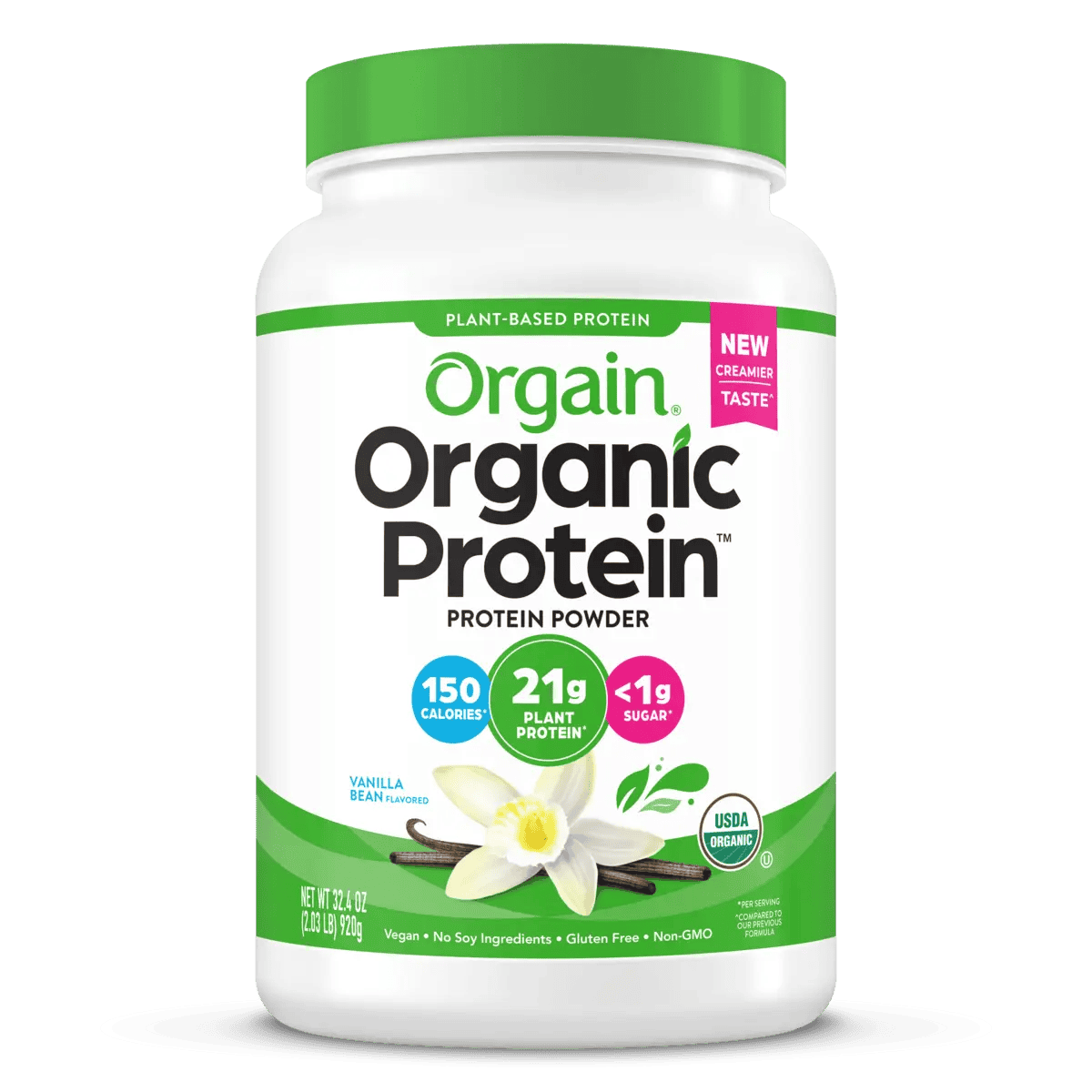
Orgain labels Organic Protein Vanilla Bean a plant-based protein powder. The selected canister contains 2.03 lb.
- Exact format and package
- Vanilla Bean; 2.03 lb
- Documented ingredient or claim
- Plant-based protein powder
Pros
- A separately documented Vanilla Bean protein-powder formula.
Cons
- The canister weight alone does not establish servings or protein grams; use the current nutrition panel.
5. Sunwarrior Warrior Blend Organic Protein
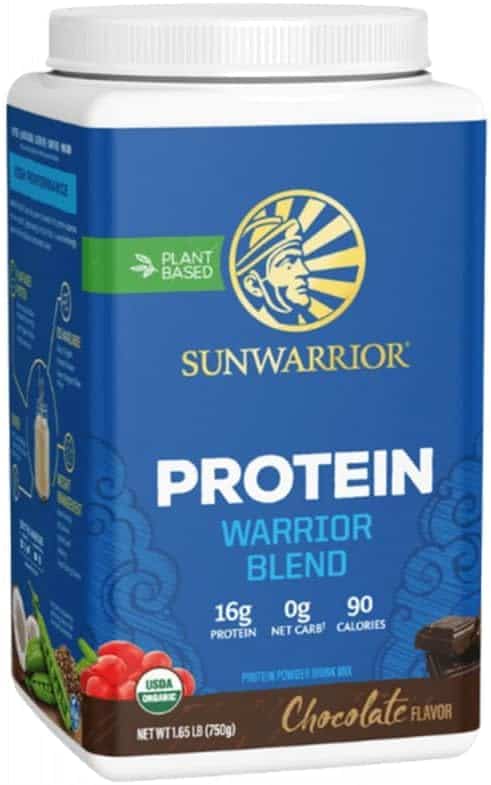
The selected retailer identifies Warrior Blend Chocolate with 30 servings. Its pictured tub is 750 g.
- Exact format and package
- Chocolate; 30 servings
- Documented ingredient or claim
- Retailer 750 g example
Pros
- Documented Chocolate blend.
Cons
- Compare the offered ingredient panel.
6. PBfit Organic Peanut Butter Powder
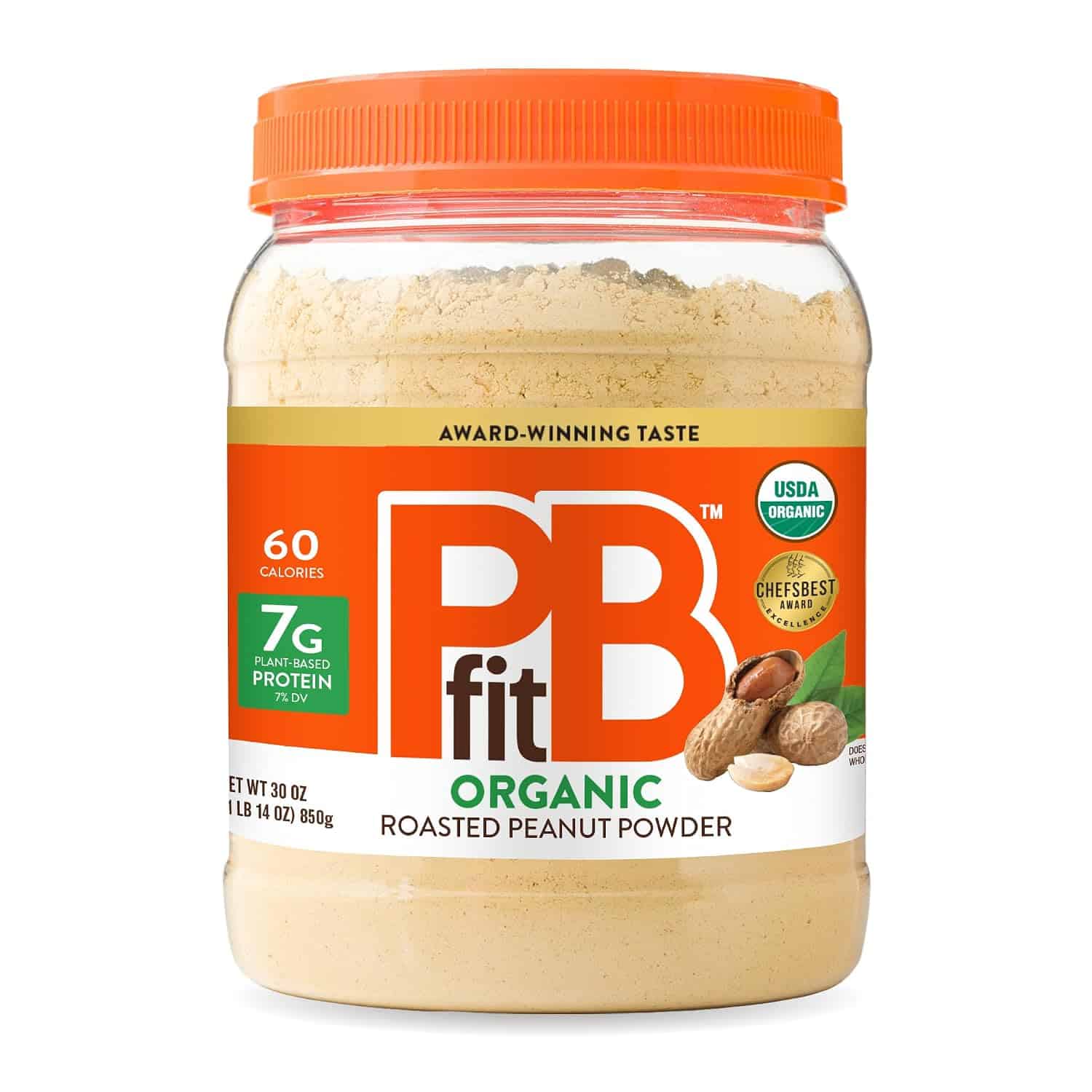
PBfit Organic: 30 oz; roasted peanuts, coconut sugar, salt.
- Exact format and package
- Peanut powder; 30 oz
- Documented ingredient or claim
- Roasted peanuts, coconut sugar and salt
Pros
- Peanut powder for recipes.
Cons
- Contains peanuts and coconut sugar.
7. Vega All-in-One Nutrition
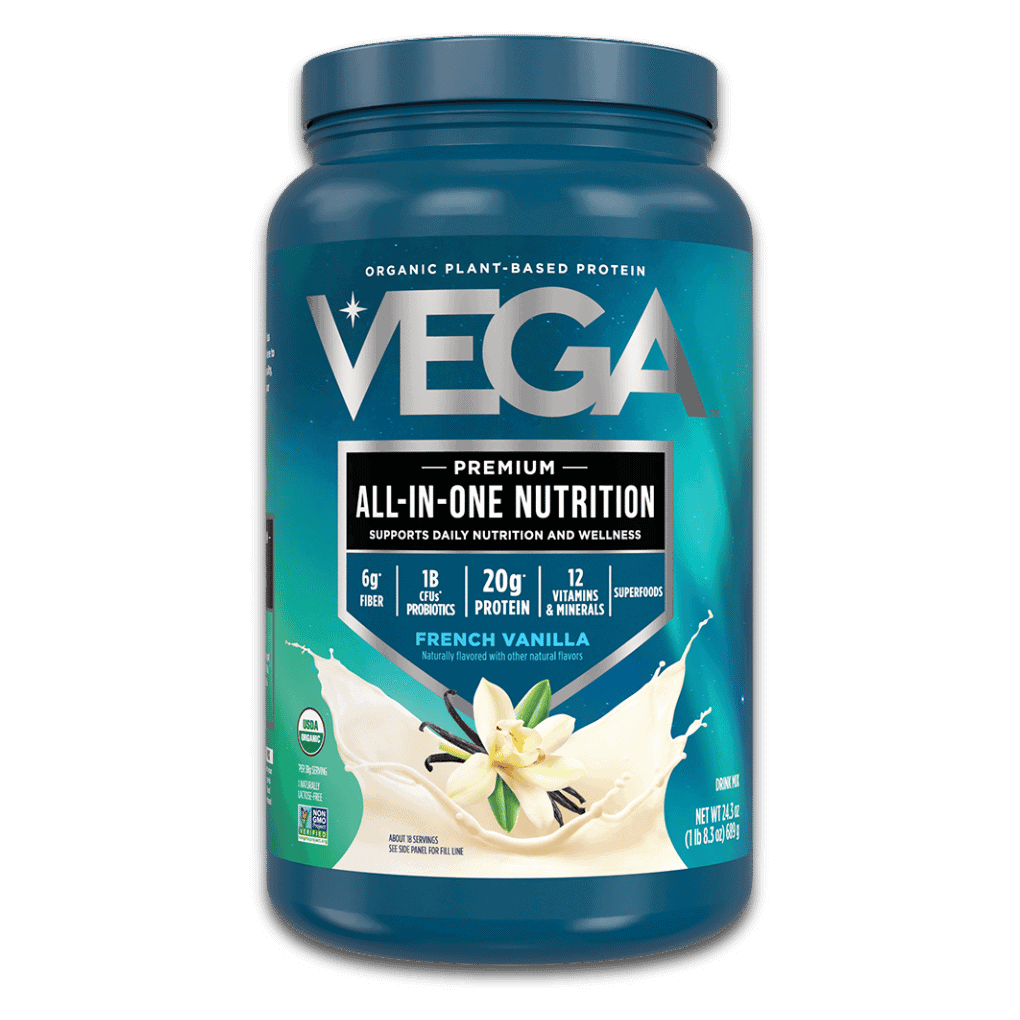
Vega describes French Vanilla All-in-One Nutrition as a powder with organic plant protein. The selected Large package is 1.5 lb with 18 servings.
- Exact format and package
- French Vanilla Large; 18 servings
- Documented ingredient or claim
- Organic plant-protein ingredient description
Pros
- A specifically identified all-in-one powder format.
Cons
- An all-in-one blend needs a broader nutrient-overlap check than protein alone; use the full French Vanilla nutrition panel.
Identify the protein source
Whey is a milk protein, while plant powders may use one source or a blend. NIH describes protein quality and quantity as relevant to athletic nutrition and notes that additional protein can come from ordinary foods as well as supplements. A powder is a convenient format, not a prerequisite for an effective training routine. NIH exercise nutrition review.
For a plant blend, copy every protein source from the ingredients rather than labeling all products simply “plant based.” For whey, record the exact form named by the manufacturer. Neither an organic logo nor the word “raw” provides enough information to compare the actual protein serving.
Food allergy needs its own check. Milk and soy are among the major allergens recognized by FDA; whey is a milk-derived ingredient. Read the complete ingredient and allergen information for the exact flavor. FDA allergen explanation. A change from vanilla to chocolate should trigger another label check, not an assumption that only the flavor differs.
Compare amounts on the same basis
Begin with grams of powder in a serving, then protein grams, calories, fat, carbohydrate, fiber and added sugars. FDA explains that food-label serving sizes reflect typical consumption rather than a recommendation for how much an individual should eat. FDA serving-size guide.
You can make a fairer shopping comparison by recording both the labeled serving and protein per fixed weight of powder. Keep the original serving visible so the arithmetic does not hide differences in portion size. For example, a larger scoop can deliver more protein simply because it contains more powder. That is a comparison issue, not proof of a better formulation.
If you usually mix the powder with milk, a plant drink or other ingredients, note them separately. The package's figures may describe the dry product or a specific preparation. Do not compare one finished smoothie with another powder's water-only figures and attribute the difference to the powder.
Read beyond protein
A useful shortlist records the sweeteners, flavorings and any added vitamin, mineral, herbal or stimulant blend. Decide whether those extras serve your purpose. A complicated panel may make it harder to combine the powder with a multivitamin or another sports supplement, even when the front of the tub looks simple.
“No added sugar” and “no sugar” are different descriptions. FDA distinguishes total sugars from sugars added during processing. FDA added-sugars guide. Read the numerical panel and ingredients together rather than relying on a single front-label phrase.
What certification and testing can show
USDA organic certification concerns production and handling standards, with separate rules for finished-product and ingredient claims. USDA organic standards. Record the scope of the claim without treating it as a contaminant test report.
If a manufacturer advertises independent testing, ask for the exact product, lot, test date, laboratory and substances measured. A report about one batch does not document every flavor and future batch. “Tested” without a method or result is insufficient for a numerical purity comparison. Likewise, a sports certification should be verified in the named program rather than inferred from a logo-like graphic.
Choose a practical format
Consider storage space, the closure, serving count and whether you need a shaker or blender according to the preparation instructions. Use the preparation instructions to judge equipment needs; taste and texture remain personal preferences. Begin with a package size you can reasonably use rather than treating bulk volume as automatic value. The final comparison should explain dietary fit and evidence gaps, with no claim that one powder is universally best.
Research note
This guide uses AI-assisted documentary research of the cited labels and public guidance. We compare formats, ingredients and serving information; we have not used or clinically tested the products, and no medical review is claimed.
Additional retained source references: Truvani vanilla protein information.
Sources
- KOS Chocolate protein blend
- Truvani Chocolate ten-serving pack
- Nutiva Peak Protein
- Orgain Vanilla Bean protein
- Sunwarrior Chocolate Warrior Blend
- PBfit Organic
- Vega All-in-One Nutrition label
- NIH exercise nutrition review
- FDA allergen explanation
- FDA serving-size guide
- FDA added-sugars guide
- USDA organic standards
- Truvani vanilla protein information
- Selected protein package