Best Pink Himalayan Salt: Labels, Grain Size and Iodine
Choose pink Himalayan salt as a culinary ingredient. Grain size, package weight and the way you measure it are useful comparison points. Color and mineral marketing do not establish a health advantage or certification of plain salt as an organic crop.
Our Top 3 picks
Our three starting picks from four documented culinary salts compare fine grain, extra-fine grain and a smaller package.
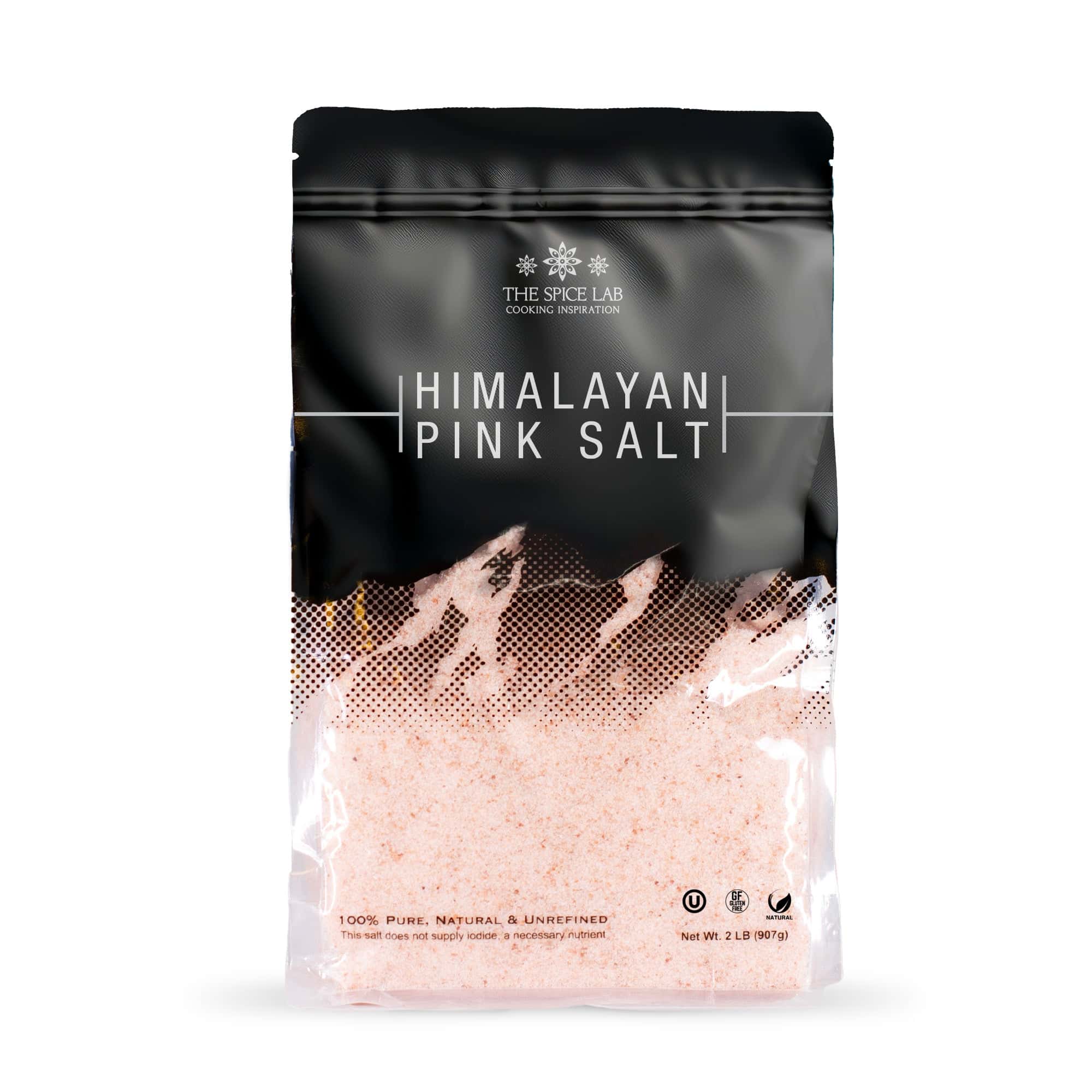
Manufacturer photo of the fine-grain 2 lb bag. The Spice Lab Himalayan Pink Salt
1. Best for everyday measured cooking
A straightforward grain and bag-size combination to check against your recipes.
Read The Spice Lab Himalayan Pink Salt details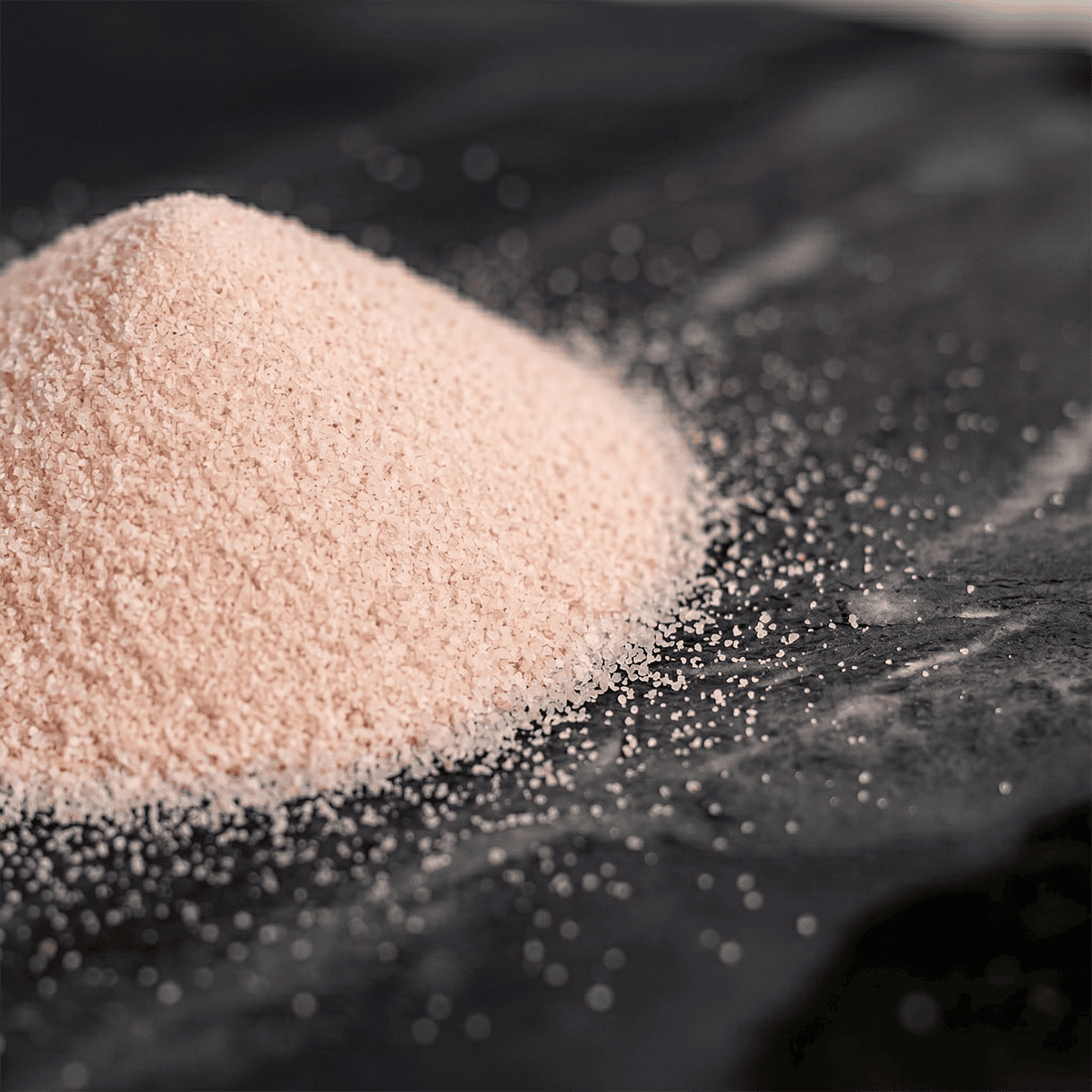
Manufacturer photo of the selected extra-fine grain; the 2 lb package is not shown. Sherpa Pink Himalayan Salt
2. Best for an extra-fine texture
The named grain separates it from the fine-grain choices.
Read Sherpa Pink Himalayan Salt details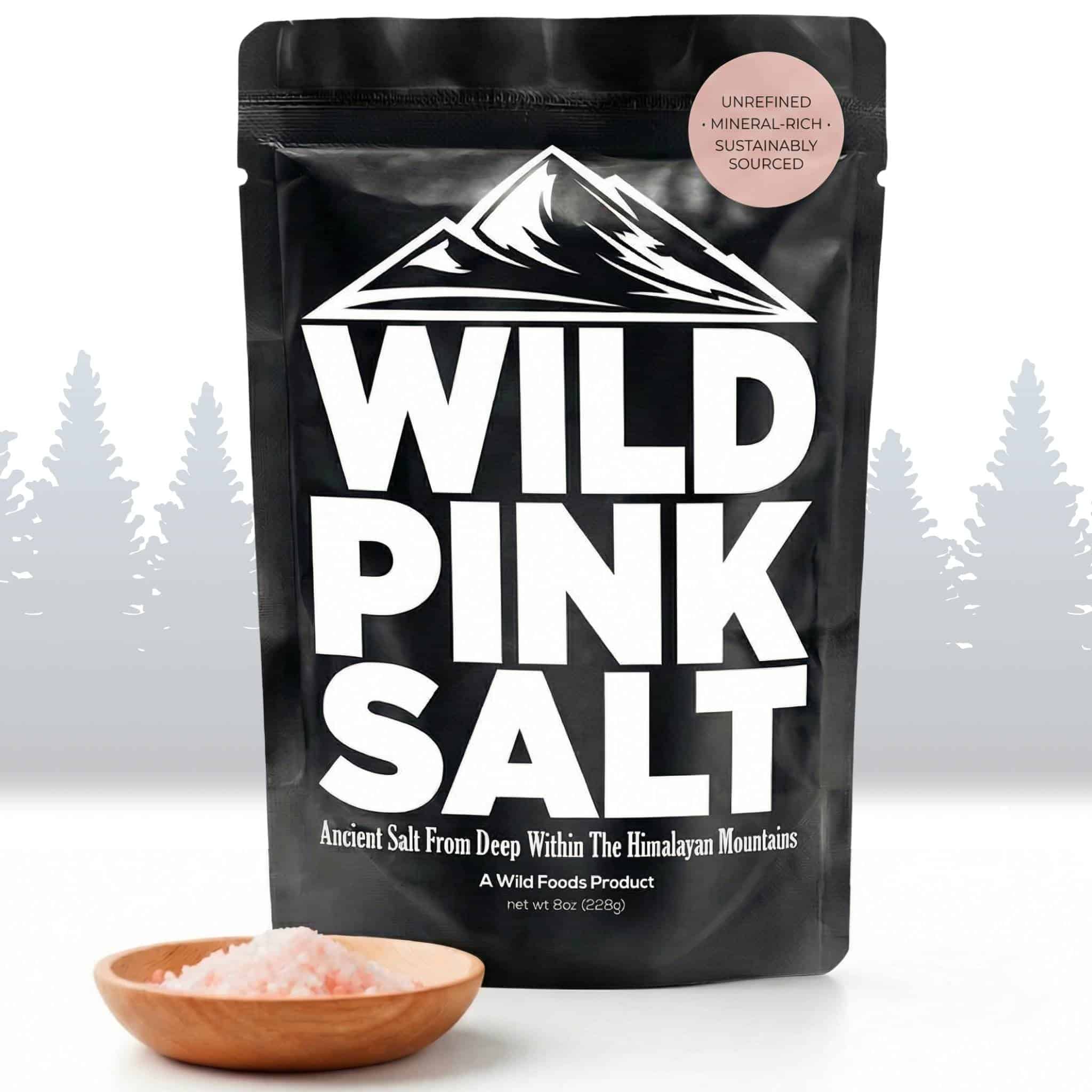
Manufacturer photo of the fine-ground 8 oz pouch. Wild Foods Himalayan Pink Salt
3. Best for a smaller 8 oz purchase
The documented 8 oz package gives a smaller purchase to compare.
Read Wild Foods Himalayan Pink Salt details
Quick verdict
Start with a 2 lb fine-grain bag for ordinary measured cooking, extra-fine grain when that texture is your preference, or the documented 8 oz package when a smaller quantity fits your kitchen. Buy the 5 lb bag only when its quantity suits your use.
Quick comparison
| Product | Grain | Documented package |
|---|---|---|
| The Spice Lab Himalayan Pink Salt | Fine | 2 lb bag |
| Sherpa Pink Himalayan Salt | Extra-fine | 2 lb bag |
| Wild Foods Himalayan Pink Salt | Fine ground | 8 oz checked retailer package |
| SaltWorks Ancient Ocean Himalayan Pink Salt | Fine | 5 lb bag |
Package and formula details apply to the documented versions shown. Compare current prices on an equivalent quantity and use basis.
1. The Spice Lab Himalayan Pink Salt
The Spice Lab lists this fine-grain Himalayan pink salt in a 2 lb bag for culinary seasoning.
- Grain
- Fine
- Documented package
- 2 lb bag
Pros
- Fine-grain option identified.
- Documented 2 lb package.
Cons
- 2 lb is a larger purchase than the 8 oz option.
2. Sherpa Pink Himalayan Salt
Sherpa Pink Extra-Fine Himalayan Salt is a culinary seasoning in a 2 lb bag. The manufacturer states that it does not supply iodide.
- Grain
- Extra-fine
- Documented package
- 2 lb bag
Pros
- Extra-fine texture is explicitly named.
Cons
- The manufacturer says it does not supply iodide; choose an explicitly iodized product if that is your requirement.
3. Wild Foods Himalayan Pink Salt
Wild Foods describes its fine-ground Himalayan pink salt as a seasoning. The checked retailer record identifies an 8 oz package.
- Grain
- Fine ground
- Documented package
- 8 oz checked retailer package
Pros
- 8 oz package for a smaller purchase.
Cons
- The 8 oz quantity may need replacing sooner than a bulk bag if you use it regularly.
4. SaltWorks Ancient Ocean Himalayan Pink Salt
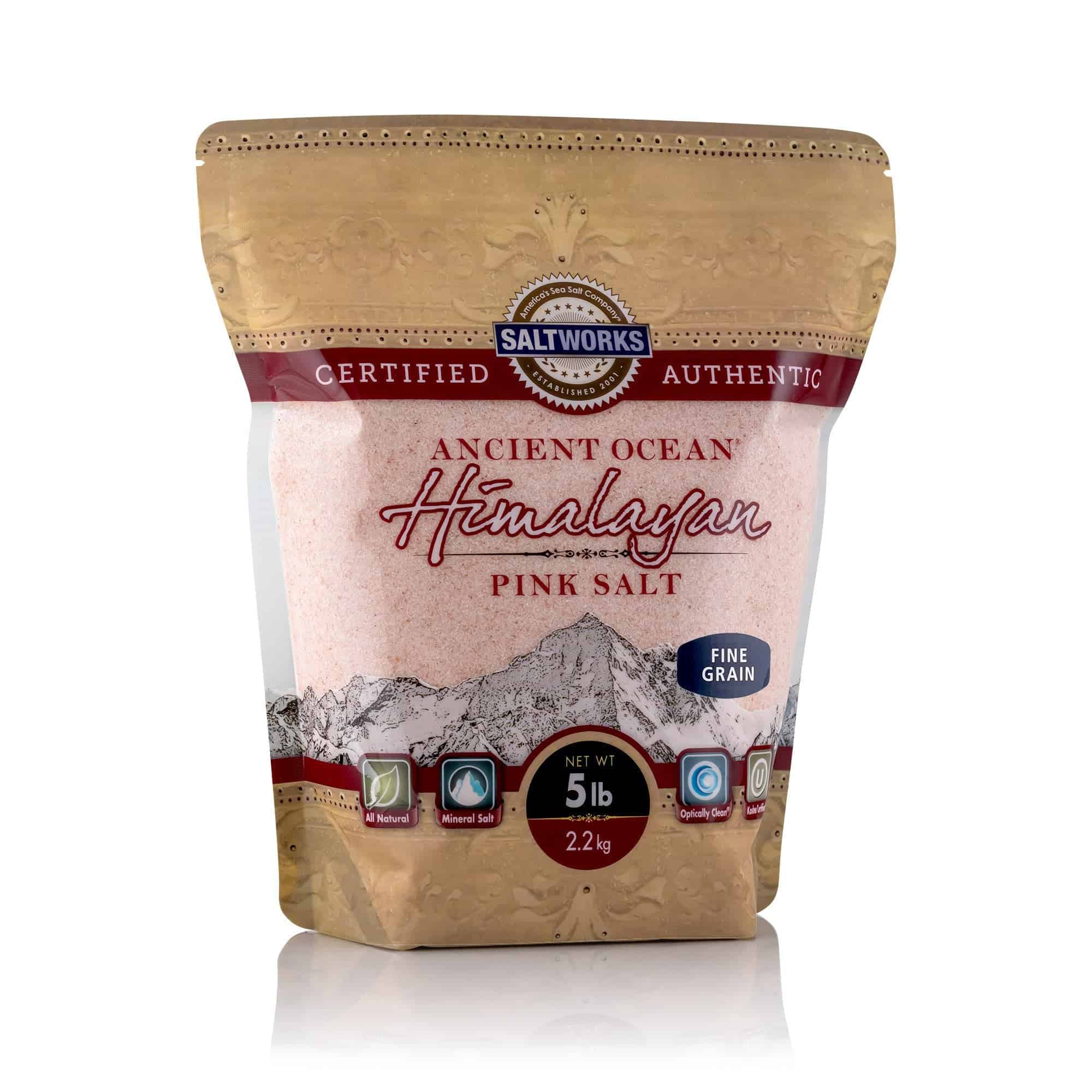
SaltWorks Ancient Ocean Himalayan Pink Salt is a fine-grain product offered in a 5 lb bag.
- Grain
- Fine
- Documented package
- 5 lb bag
Pros
- Documented 5 lb bag.
Cons
- 5 lb requires storage and a usage plan.
Choose the grain for the task
For measured cooking, buy the grain your recipe expects. For a grinder, check the grinder maker’s permitted grain size rather than assuming every bag is a suitable refill. For finishing, decide whether you want visible grains on the food.
Compare the gram weight as well as the teaspoon measure. Grain shape and packing affect a volume measurement; a scale can help reproduce a recipe without assuming every spoonful contains the same amount.
Read sodium, iodine and organic wording separately
Read sodium per stated serving and compare equal weights. Pink salt is not a way around a prescribed sodium limit.
Check the word “iodized” or an explicit iodine statement. Specialty salt should not be assumed to supply iodine because it mentions minerals.
USDA states that there are currently no USDA organic standards for salt. An organic-sounding brand name does not certify plain mineral salt.
Check origin, evidence and storage
A useful label identifies food salt, origin and a responsible business. If a seller advertises testing, ask which lot, laboratory, date and results the report covers. A “tested” label alone cannot establish the evidence for your bag.
Choose a quantity and container you can use conveniently. Retain the label and lot details, compare current cost by equal weight, and follow the package’s storage directions.
How this guide was prepared
This AI-assisted guide compares product information and identified retailer labels researched September 30 and October 1, 2026. The selections follow the stated features and practical uses; no hands-on testing or current price and stock check was performed.