Best Organic Milk: Dairy Labels, Servings and Storage
Organic milk still comes in different fat levels, carton sizes and storage formats. Decide whether you need individual boxes or a household carton, then compare the exact label. The practical choices below are dairy products; a coconut drink belongs in a separate nutritional and recipe comparison.
Our Top 3 picks
Our three starting picks from four documented dairy products compare individual whole-milk boxes, a grassfed-labeled carton and a half-gallon carton.
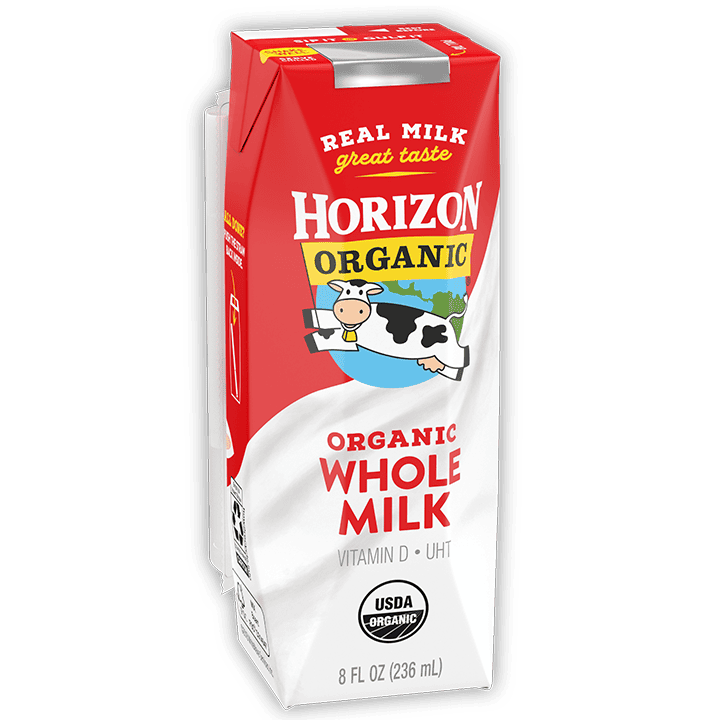
Horizon Organic Shelf Stable Whole Milk Boxes
1. Best for single-serve portions
A documented box format when portioning and unopened storage matter.
Read Horizon Organic Shelf Stable Whole Milk Boxes details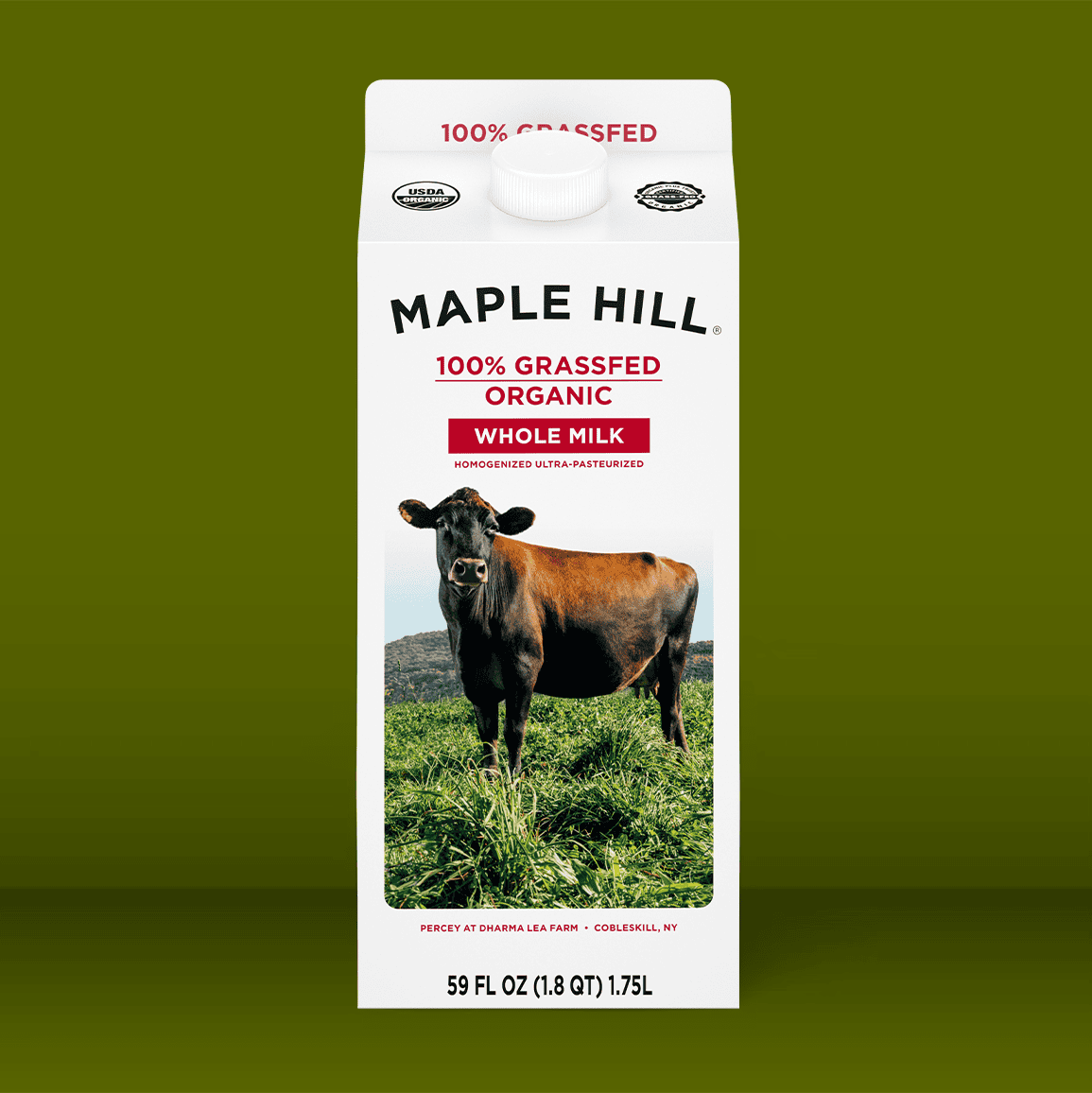
Maple Hill 100% Grassfed Organic Whole Milk
2. Best for a grassfed organic label
The manufacturer keeps whole-milk identity and grassfed wording visible.
Read Maple Hill 100% Grassfed Organic Whole Milk details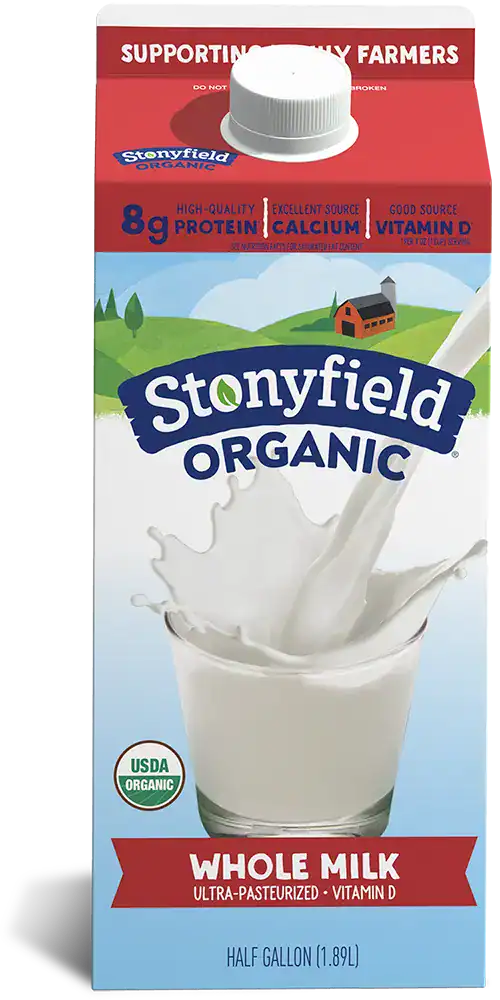
Stonyfield Organic Whole Milk
3. Best for a household half-gallon carton
The carton format is useful to compare against how much the household uses.
Read Stonyfield Organic Whole Milk details
Quick verdict
Choose individual shelf-stable boxes for portioning, a larger whole-milk carton for household use, or the plain 1% option when that fat level is the one you want. Match serving volume and opening/storage directions before comparing labels.
Quick comparison
| Product | Documented package | Label or use distinction |
|---|---|---|
| Horizon Organic Shelf Stable Whole Milk Boxes | 236 mL; 12-box retailer pack | Whole milk; 8 g protein per box |
| Maple Hill 100% Grassfed Organic Whole Milk | 59 fl oz / 1.75 L carton | Manufacturer organic and 100% grassfed claims |
| Stonyfield Organic Whole Milk | Half gallon | Whole milk; 8 g protein per 240 mL |
| Horizon Organic Shelf Stable Plain 1% Lowfat Milk | Checked retailer 12-count | Plain 1%; 8 g protein per container |
Package and formula details apply to the documented versions shown. Compare current prices on an equivalent quantity and use basis.
1. Horizon Organic Shelf Stable Whole Milk Boxes
Horizon’s shelf-stable Organic Whole Milk Box is 236 mL. The manufacturer lists 8 g protein and 0 g added sugar per box, with organic milk and vitamin D3 as ingredients.
- Documented package
- 236 mL; 12-box retailer pack
- Label or use distinction
- Whole milk; 8 g protein per box
Pros
- Individual 236 mL portion.
- Shelf-stable format before opening, as labeled.
Cons
- Individual boxes suit portioning, but a household carton may fit shared use better.
View Horizon Organic Shelf Stable Whole Milk Boxes on Amazon
2. Maple Hill 100% Grassfed Organic Whole Milk
Maple Hill identifies its current 59 fl oz whole-milk carton as USDA Organic and 100% grassfed. The documented ingredient list names organic whole milk.
- Documented package
- 59 fl oz / 1.75 L carton
- Label or use distinction
- Manufacturer organic and 100% grassfed claims
Pros
- Organic and grassfed claims are both identified.
- Single listed ingredient.
Cons
- The 59 fl oz carton needs to fit your household’s use and refrigeration routine.
3. Stonyfield Organic Whole Milk
Stonyfield’s Organic Whole Milk comes in a half-gallon carton. Its manufacturer label lists 8 g protein per 1-cup, 240 mL serving.
- Documented package
- Half gallon
- Label or use distinction
- Whole milk; 8 g protein per 240 mL
Pros
- Half-gallon package for shared use.
- Serving volume is explicitly documented.
Cons
- Half-gallon quantity needs to fit household usage.
4. Horizon Organic Shelf Stable Plain 1% Lowfat Milk
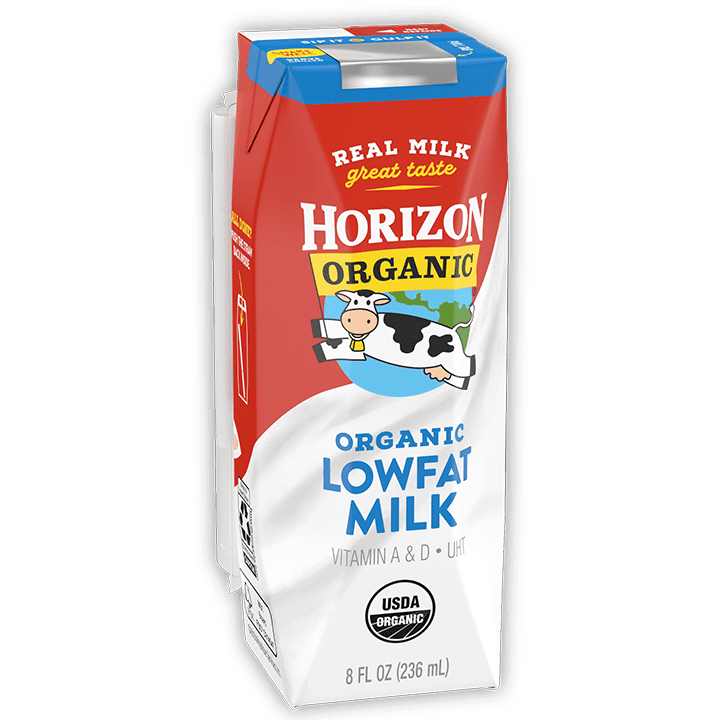
Horizon’s Plain 1% shelf-stable milk lists 8 g protein and 0 g added sugar per container. Its ingredients include lowfat organic milk, vitamin A palmitate and vitamin D3.
- Documented package
- Checked retailer 12-count
- Label or use distinction
- Plain 1%; 8 g protein per container
Pros
- A documented plain lowfat alternative.
- Individual shelf-stable format.
Cons
- This is 1% lowfat milk; use a whole-milk option when that is the fat level your recipe requires.
Compare equal servings
Record the serving volume beside protein, calcium, vitamin D, saturated fat and added sugars. A 236 mL box and a 240 mL cup are not exactly the same quantity. For a powder, use the manufacturer’s prepared ratio rather than comparing dry spoonfuls with a glass.
Keep whole, lowfat, lactose-free, dairy-free and flavored choices separate. For cooking, match the recipe’s milk type. For coffee, choose a manageable amount before committing to a multipack; frothing and taste need actual use.
Keep production and nutrition questions separate
An organic claim and a grassfed claim answer different questions. Check both on the exact carton if both matter to your purchase. Neither chooses the fat level or serving for your household.
Plant beverages vary nutritionally and often differ from dairy milk. Similar appearance does not establish nutritional equivalence. FDA's milk and plant-based alternatives guide. For coconut milk, compare drinks and culinary formats.
Children and storage
Dairy milk and plant-based alternatives should not replace human milk or infant formula before 12 months. Discuss a substantial change in a child’s regular beverage with the child’s clinician.
Read refrigeration directions before and after opening. Shelf-stable packaging describes unopened storage; use the opened product according to its label. Choose a carton or number of boxes you can finish within those directions.
How this guide was prepared
This AI-assisted guide compares product information and identified retailer labels researched September 30 and October 1, 2026. The selections follow the stated features and practical uses; no hands-on testing or current price and stock check was performed.
Sources
- USDA organic livestock and dairy guidance
- FDA's milk and plant-based alternatives guide
- drinks and culinary formats
- Horizon describes its shelf-stable Organic Whole Milk Box
- Maple Hill's whole milk
- Stonyfield's Organic Whole Milk
- Maple Hill 100% Grassfed Organic Whole Milk
- Horizon Organic Shelf Stable Plain 1% Lowfat Milk