Organic Meal Replacement Shakes: Nutrition and Format Guide
Before buying an organic meal replacement shake, decide what the drink is meant to replace. A protein powder added to breakfast, a snack between meals and a drink intended to stand in for lunch have different roles. The front-label phrase “meal replacement” should lead you to examine the full nutrition panel, not end the comparison.

Our Top 3 picks
Our three starting choices from the 5 documented options below are selected for documented meal-powder identity, added micronutrients and vegan format.
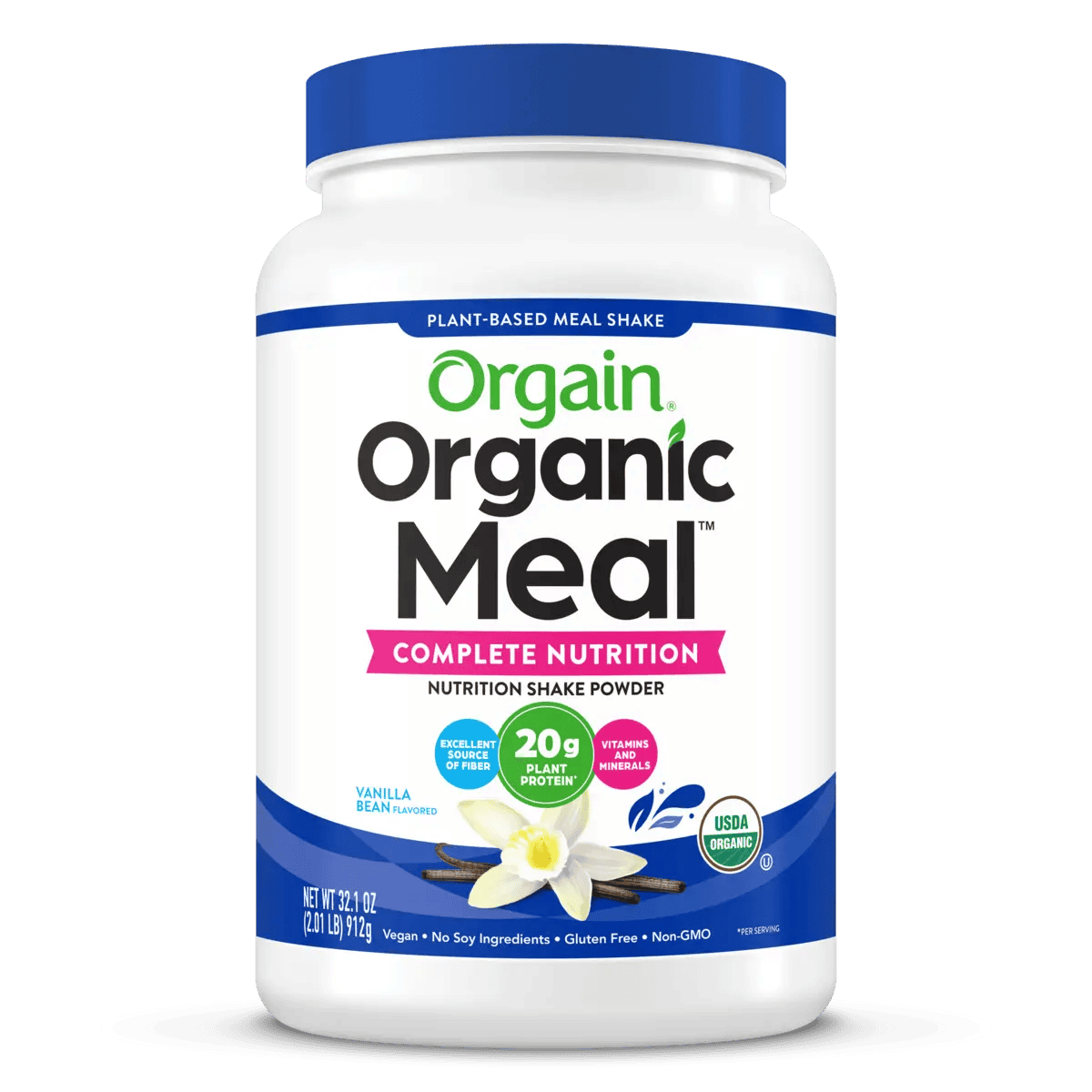
Orgain Organic Meal Powder
1. A USDA Organic meal-powder option
The documented meal identity keeps it distinct from the brand’s protein-only powders.
Read Orgain Organic Meal Powder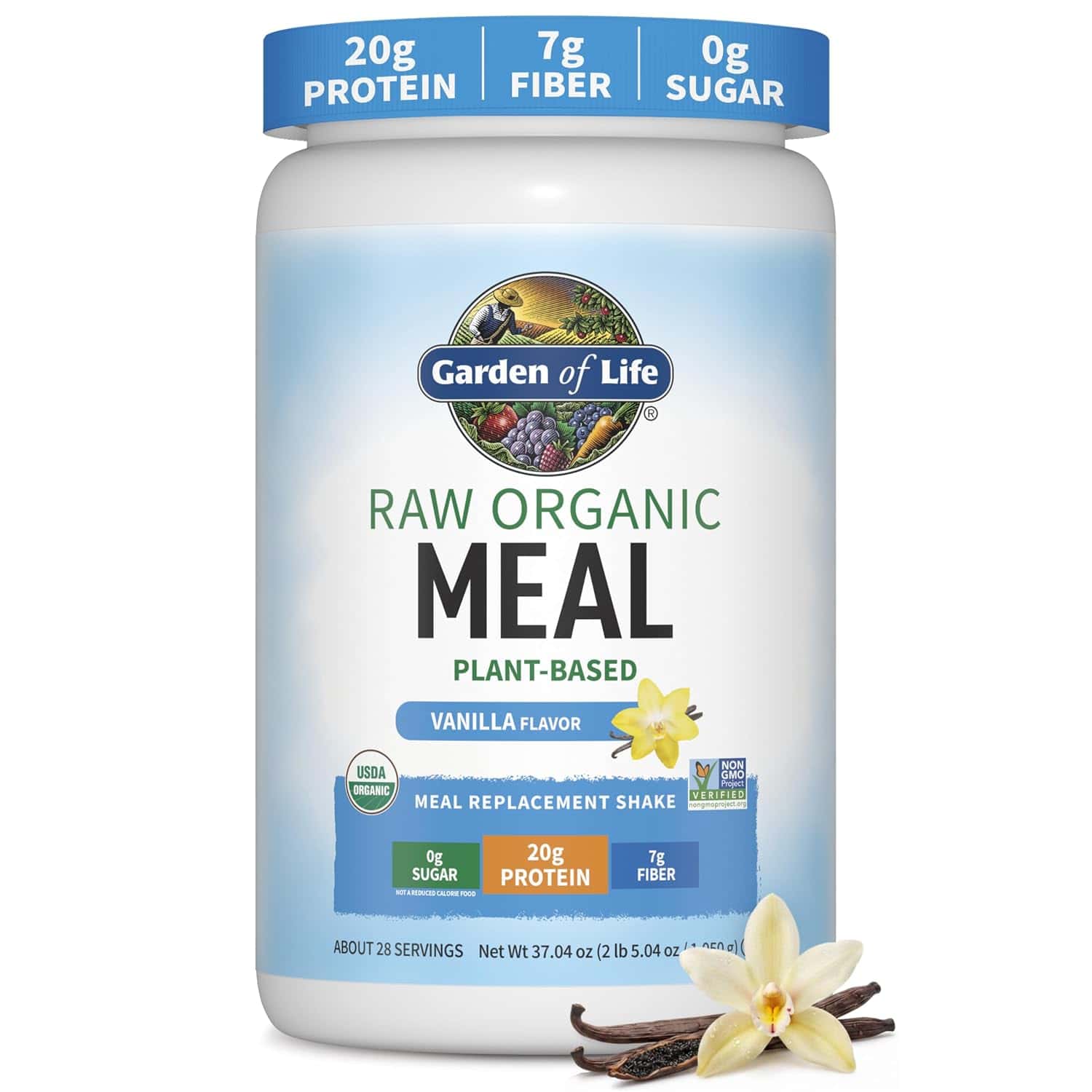
Vanilla; about 28 servings, 37.04 oz. Garden of Life Raw Organic Meal
2. A fortified organic meal powder
Its added micronutrients make a useful distinct comparison within the documented organic meal options.
Read Garden of Life Raw Organic Meal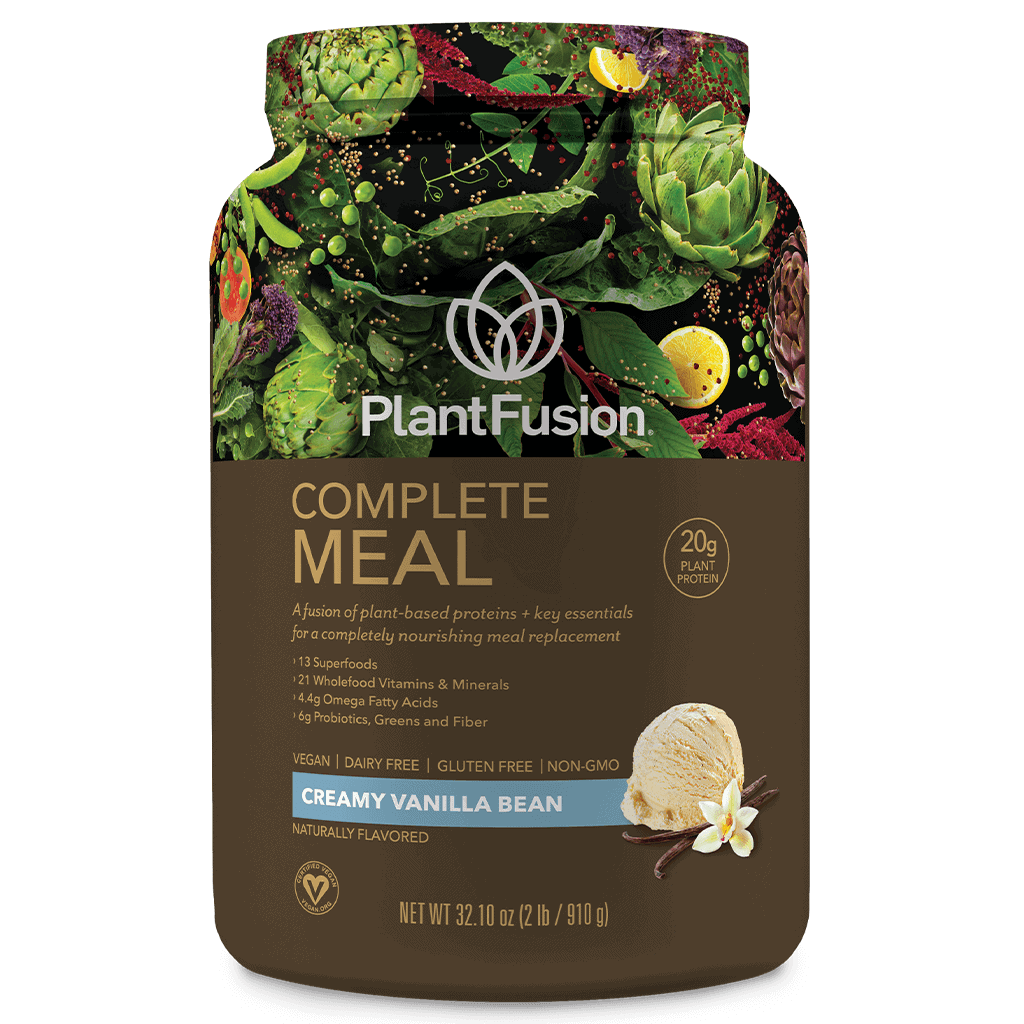
PlantFusion Complete Meal
3. A vegan meal-shake format
Its explicit vegan meal description offers a distinct dietary-preference option.
Read PlantFusion Complete Meal
Quick verdict
For a USDA Organic meal-powder comparison, start with Orgain Vanilla Bean or Garden of Life Raw Organic Meal Vanilla. PlantFusion offers a separately documented vegan Creamy Vanilla Bean option. Compare the complete prepared serving with the meal you intend to replace.
Product comparison
| Product | Format and package | Documented distinction | Main decision question |
|---|---|---|---|
| Orgain Organic Meal Powder | Vanilla Bean powder; 2.01 lb | USDA Organic meal powder | Assess the full prepared serving |
| Garden of Life Raw Organic Meal | Vanilla powder; 28 servings | Plant proteins plus vitamins/minerals | Check micronutrient overlap |
| PlantFusion Complete Meal | Creamy Vanilla Bean; 20 servings | Vegan meal shake; organic grain blend | Review full prepared-serving nutrition |
| Ample Original | Original Vanilla; bulk canister | Meal-shake format | Need complete labelled servings |
| 310 Organic Vanilla Shake | Organic Vanilla powder; 28 servings | Manufacturer organic description | Assess full prepared meal role |
1. Orgain Organic Meal Powder
Orgain identifies Organic Meal Powder Vanilla Bean as USDA Organic. The selected meal-powder canister contains 2.01 lb.
- Format and package
- Vanilla Bean powder; 2.01 lb
- Documented distinction
- USDA Organic meal powder
Pros
- A clearly identified meal formula with a finished-product organic claim.
Cons
- The canister weight alone does not state the complete prepared meal’s calories or nutrients; use its meal panel.
2. Garden of Life Raw Organic Meal
Garden of Life identifies Raw Organic Meal Vanilla as USDA Organic, with plant proteins and added vitamins and minerals. The selected package contains 28 servings.
- Format and package
- Vanilla powder; 28 servings
- Documented distinction
- Plant proteins plus vitamins/minerals
Pros
- Meal-powder format with explicitly added micronutrients.
Cons
- Added vitamins and minerals can overlap supplements; review the complete routine and actual preparation.
3. PlantFusion Complete Meal
PlantFusion lists Complete Meal Creamy Vanilla Bean as a vegan meal replacement shake. It describes organic grains in its ModCarb ingredient blend; the selected package contains 20 servings.
- Format and package
- Creamy Vanilla Bean; 20 servings
- Documented distinction
- Vegan meal shake; organic grain blend
Pros
- A documented vegan meal-shake format.
Cons
- Twenty servings do not establish personal meal adequacy; examine the full prepared-serving nutrition.
4. Ample Original
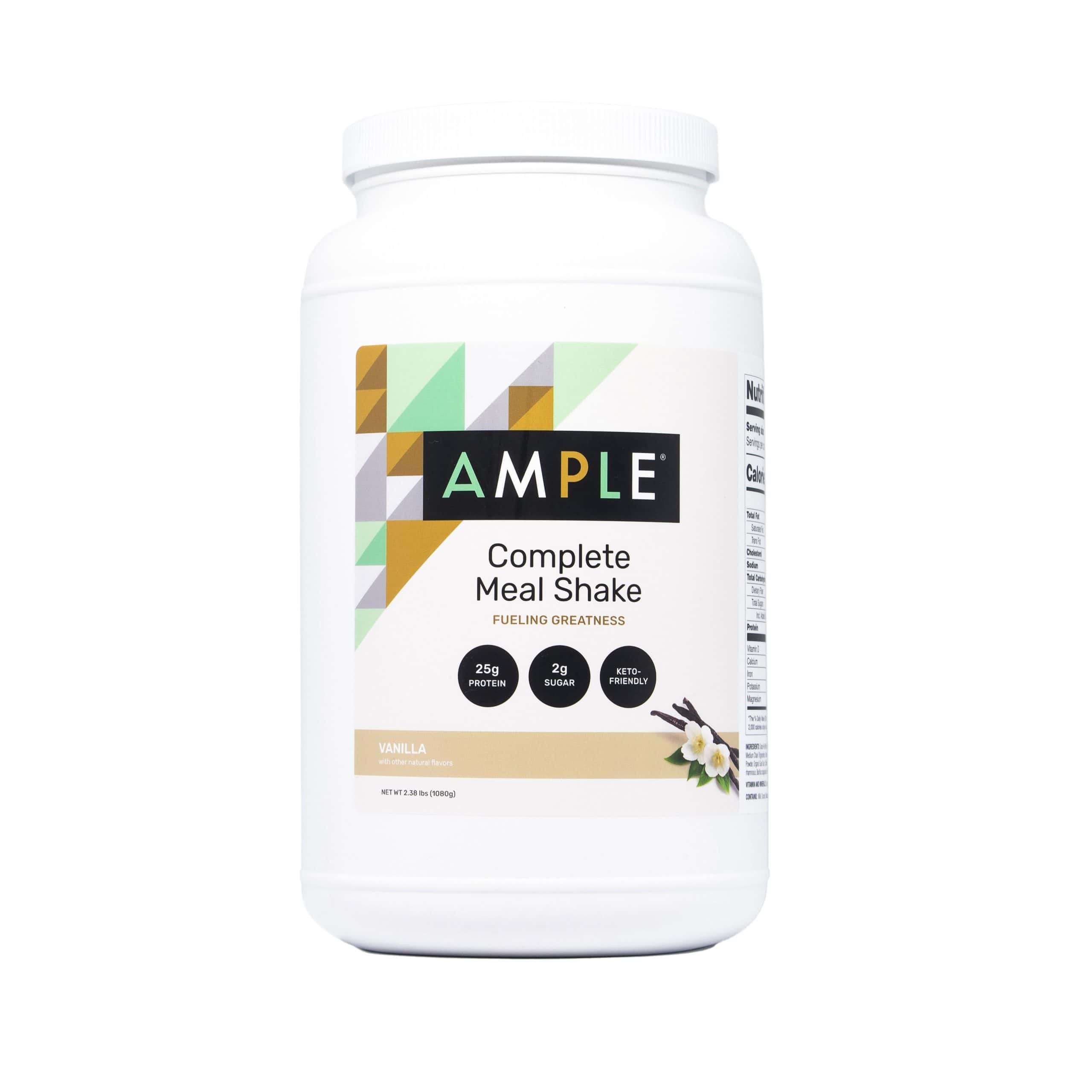
Ample lists Original Vanilla as a meal shake in a bulk canister. Organic greens and individual organic ingredients describe ingredient scope.
- Format and package
- Original Vanilla; bulk canister
- Documented distinction
- Meal-shake format
Pros
- Bulk canister format for readers comparing regular meal-shake routines.
Cons
- Bulk volume does not establish full servings or prepared nutrition; calculate from the actual label.
5. 310 Organic Vanilla Shake
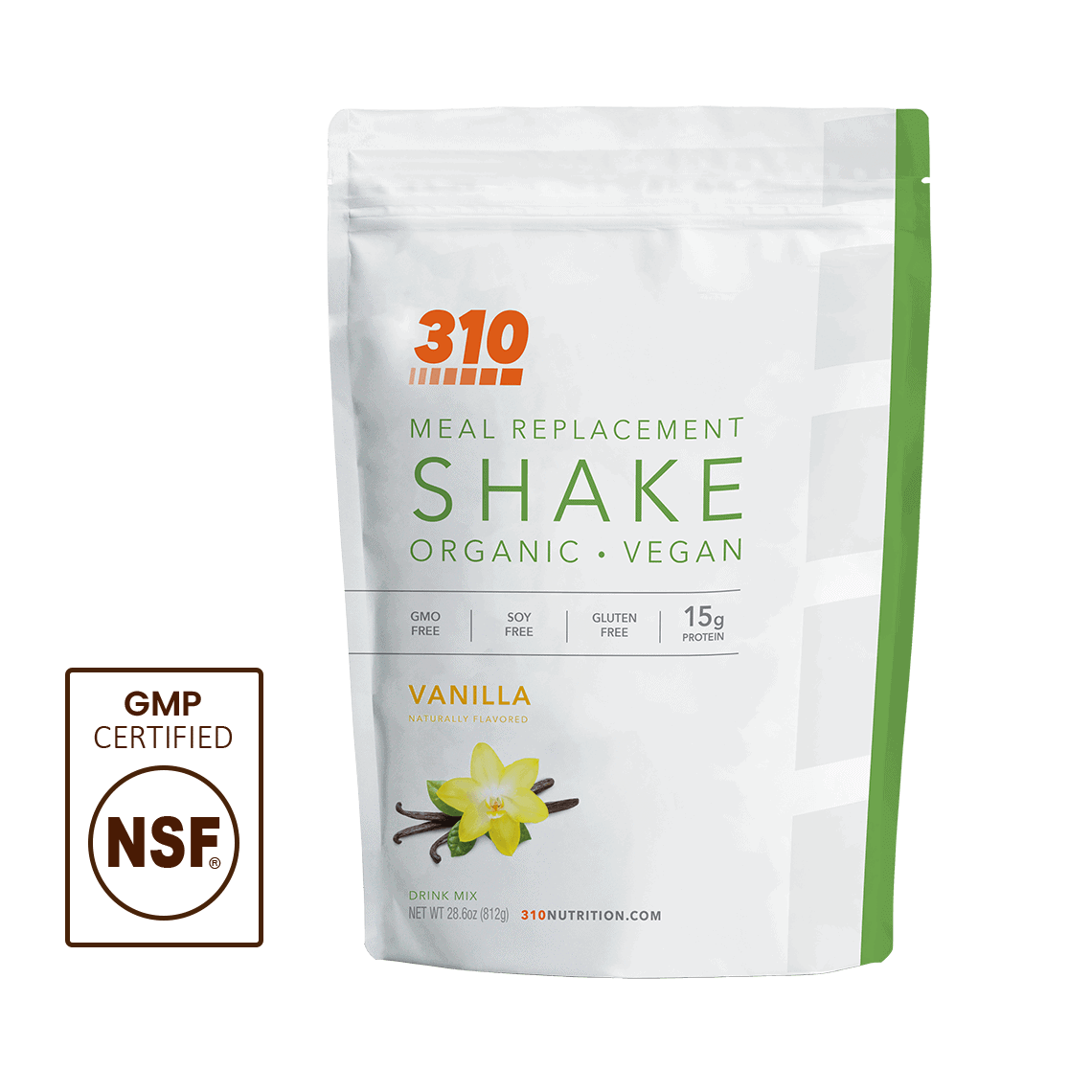
310 Nutrition describes Organic Vanilla Shake as an organic powder. This comparison uses its current 28-serving bag.
- Format and package
- Organic Vanilla powder; 28 servings
- Documented distinction
- Manufacturer organic description
Pros
- Vanilla powder in a documented 28-serving package.
Cons
- Serving count does not establish meal adequacy; review energy, fat, protein, fiber and micronutrients together.
Look at the complete serving
FDA explains that the Nutrition Facts panel usually describes one serving and that a serving size is not an individual recommendation. FDA label guide. Begin by checking whether the figures describe the powder alone, a prepared drink or the whole bottle.
Then record calories, protein, fat, carbohydrate, fiber, sodium and the listed vitamins and minerals. Do not let the protein number stand in for all of them. If a shake is intended to replace a meal you would otherwise eat, compare what it supplies with that intended role rather than choosing the lowest calorie count automatically.
A useful comparison table keeps the original serving visible:
| Detail | Question to answer |
|---|---|
| Stated purpose | Meal, snack, protein supplement or another use? |
| Preparation | Water, milk, plant drink or ready to consume? |
| Energy and nutrients | What does the full prepared serving provide? |
| Fiber and micronutrients | Which amounts are declared and which are absent? |
| Restrictions | Do ingredients and allergens match your needs? |
| Practical use | What storage, utensils and timing are required? |
Make preparation comparisons fair
If one brand displays values for powder mixed with milk and another uses water, their headline totals are not directly comparable. Keep added ingredients on a separate line. A blender recipe with fruit and nut butter may be useful, but the added nutrition should not be credited to the powder itself.
For ready-to-drink products, confirm whether the container contains one serving. For powders, check grams per serving and the number of servings in the package. A larger tub can appear inexpensive while providing fewer complete servings than expected. Calculate cost only after the preparation basis is clear.
Read sugar and ingredient claims carefully
Total sugars and added sugars describe different things; the latter are included within the total. FDA sugar-label explanation. A “no added sugar” statement should not be rewritten as “sugar-free.” Likewise, an unflavored product should not be assumed to contain nothing but protein.
Record every protein source and review the complete allergen information. Milk, soy, nuts and other major allergens can matter in this category, regardless of plant imagery or organic branding. FDA major allergen list. Recheck the label when changing flavor or formulation.
Consider the rest of the day
If the drink contains added vitamins and minerals, place its label next to any supplements you use. The aim is to see the complete routine rather than evaluate each package in isolation. Write down whether you plan occasional convenience use or frequent meal substitution; those are different questions for a dietitian when assessing overall adequacy.
A dietary supplement is not a substitute for the variety of foods in a healthy diet, and FDA advises against using supplements in place of prescribed medicines. FDA supplement guidance. A standard adult shopping comparison also should not be extended automatically to children, pregnancy or a medical nutrition requirement.
What organic and reviews can tell you
An ingredient-level organic claim differs from finished-product certification. USDA label categories.
Use a dedicated certification column so a preference for organic sourcing stays visible without crowding out the serving comparison.
Taste, mixing and satisfaction are personal preferences. Reviews may help identify questions, but they cannot establish a predictable weight-loss result. The useful final choice is a clearly identified product whose complete serving and practical role are understood, with remaining nutrition questions made explicit.
Research note
This guide uses AI-assisted documentary research of the cited labels and public guidance. We compare formats, ingredients and serving information; we have not used or clinically tested the products, and no medical review is claimed.