Organic Face Serums: Compare Formulas by Skin-Care Goal
Choose a face serum for one job, then compare its complete formula and directions. The two vitamin C examples below both use sodium ascorbyl phosphate (SAP); application amount, texture and fragrance information offer more useful distinctions than the word “organic.”

Our 2 options
These two picks use the published vitamin C form, application directions, texture, packaging and fragrance declarations.
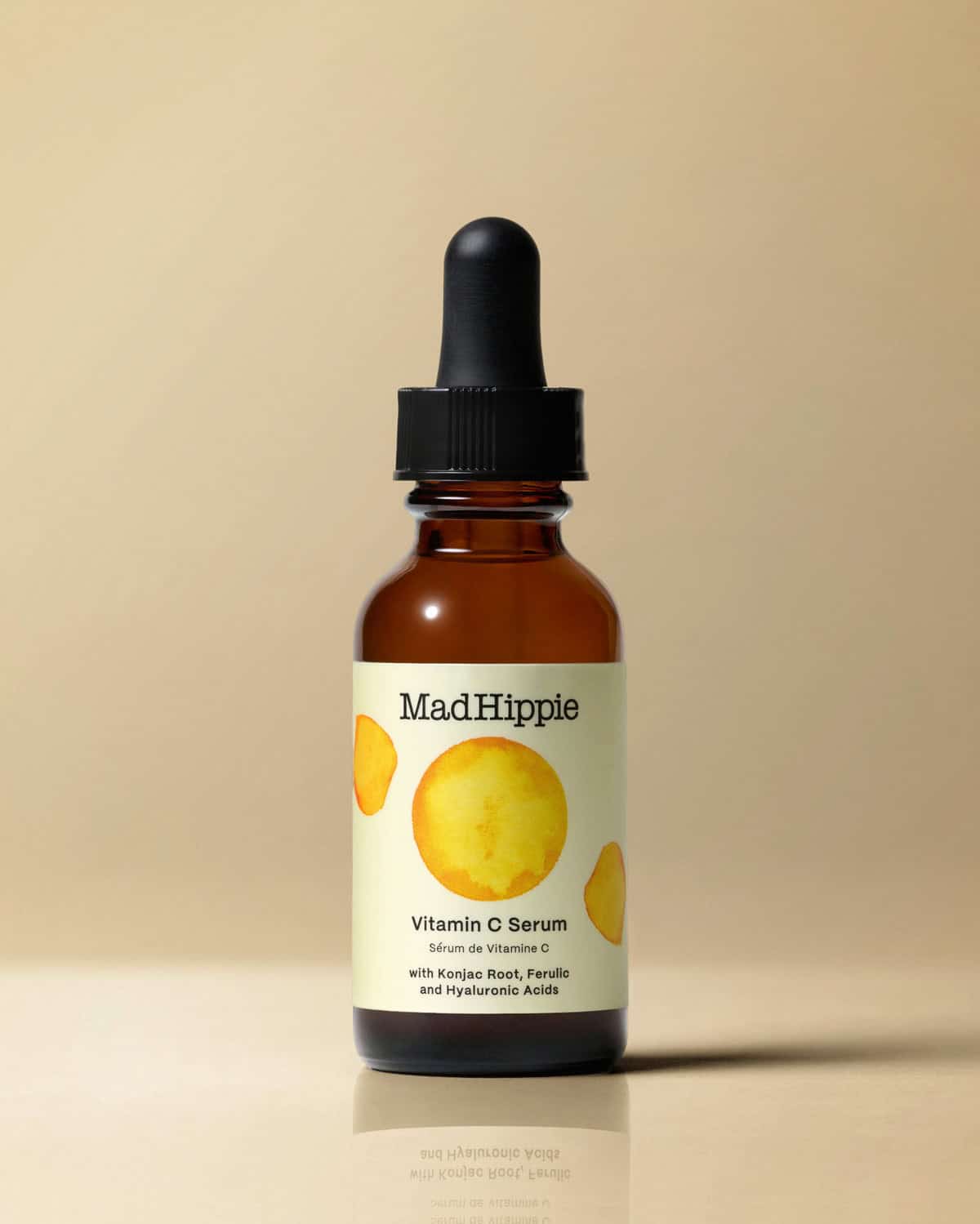
Mad Hippie Vitamin C Serum, 1.02 fl oz. Mad Hippie Vitamin C Serum
1. a routine measured in drops
Thin gel-like texture and a specified drop count.
Read details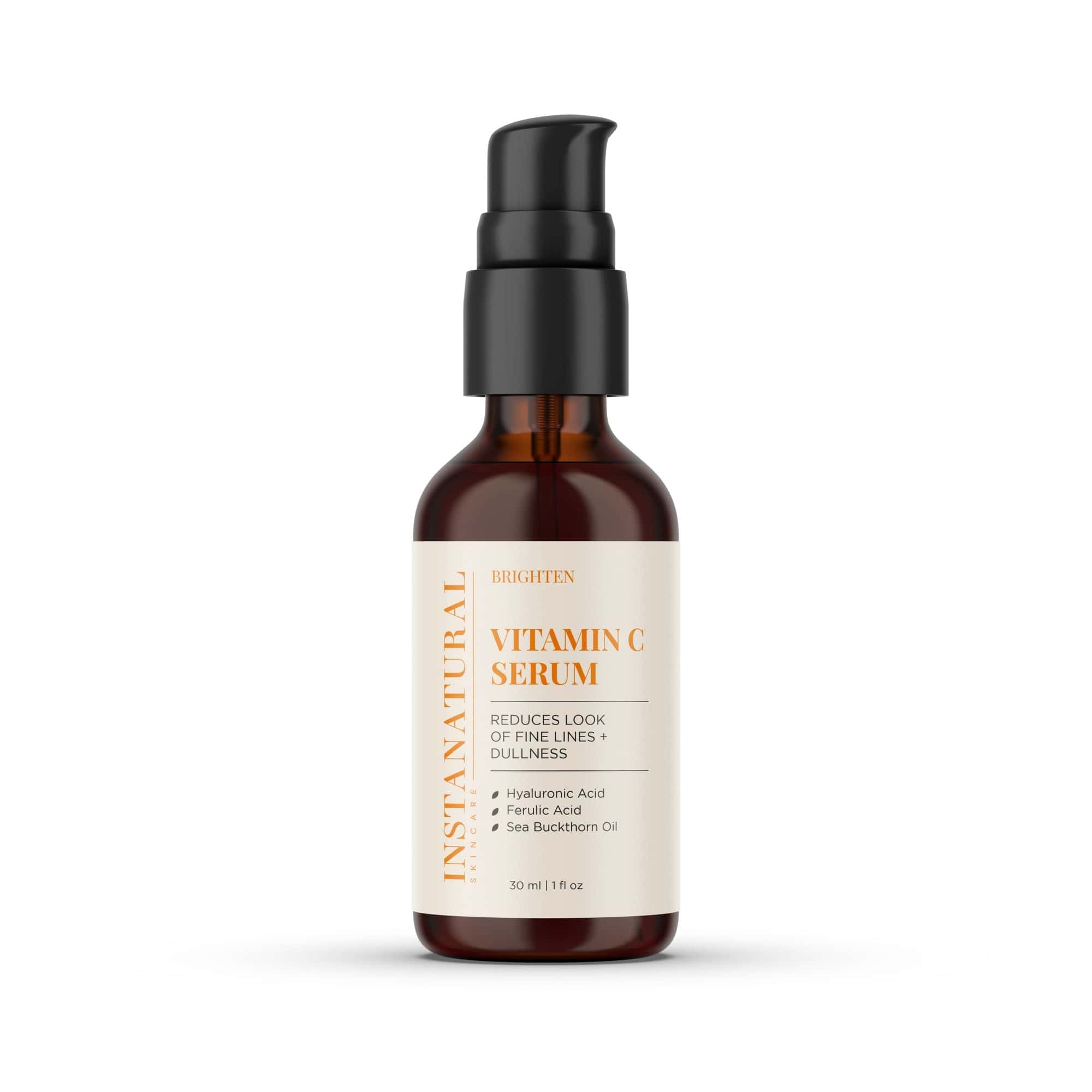
InstaNatural Vitamin C Serum, 30 mL / 1 fl oz. InstaNatural Vitamin C Serum
2. a shake-first application routine
A specified dime-size amount and an explicit fragrance declaration.
Read details
Quick verdict
Choose Mad Hippie for a thin gel-like formula with drop-count directions, or InstaNatural for a shake-first, dime-size application. Fragrance information differs. Neither documented formula establishes a concentration winner or finished-serum organic certification.
Compare the options
| Product | Format / role | Selected example | Documented distinction |
|---|---|---|---|
| Mad Hippie Vitamin C Serum | Topical SAP serum | 1.02 fl oz | No synthetic fragrance; botanical aroma described |
| InstaNatural Vitamin C Serum | Topical SAP serum | 30 mL / 1 fl oz | Fragrance explicitly listed |
1. Mad Hippie Vitamin C Serum — for a routine measured in drops
Mad Hippie lists SAP, hyaluronic acid, vitamin E and ferulic acid. The brand describes glass packaging and a thin gel-like texture. Apply 2–4 drops to cleansed face and neck, avoid eyes, then follow with moisturizer and broad-spectrum SPF.
- Format / role
- Topical SAP serum
- Selected example
- 1.02 fl oz
- Documented distinction
- No synthetic fragrance; botanical aroma described
Pros
- Thin gel-like texture in glass packaging
- Drop-count directions give a measurable application
Cons
- Botanical aroma remains despite the no-synthetic-fragrance claim
2. InstaNatural Vitamin C Serum — for a shake-first routine
InstaNatural lists SAP, glycerin, fragrance, ferulic acid and tocopherol. Its twice-daily directions say to shake first, massage a dime-size amount upward and follow with moisturizer. The description mentions hyaluronic acid, which the published ingredient list does not explicitly name.
- Format / role
- Topical SAP serum
- Selected example
- 30 mL / 1 fl oz
- Documented distinction
- Fragrance explicitly listed
Pros
- SAP, glycerin and tocopherol are named
- Shake-first directions specify a dime-size amount
Cons
- Contains fragrance; consider this when comparing your formula preferences
Choose one reason to add a serum
Write down what your current routine is missing. If your skin feels comfortable and you simply want a different texture under makeup, that is a different purchase from a serum promoted for visible dark spots. If you would rather compare moisturizers, see our guide to organic face creams for dark spots. Do not buy several overlapping formulas just because each highlights a different botanical.
A serum is an optional step. The American Academy of Dermatology puts sunscreen and moisturizer at the foundation of an anti-aging routine and recommends focusing on a particular concern. AAD product-selection advice.
For hydration, decide what you want an extra step to add to your current routine. For a topical vitamin C comparison, begin with the named vitamin C form and the instructions for that exact formula.
What the evidence does not establish
For a vitamin C product, record the ingredient form actually named on the label. For a hyaluronic acid product, compare the complete formula and intended texture rather than assuming that the largest number on the front means the best result. For a retinol combination, check how often the manufacturer tells a new user to apply it and whether the instructions address other treatments.
An ingredient study is not automatically a study of the serum in your shopping cart. Look for the finished product name, participant group, duration and measured result. A consumer survey about smoother-looking skin answers a different question from an instrumental measurement. If concentration is not disclosed, leave it unknown; do not calculate it from an ingredient’s position.
What organic certification tells you
Distinguish organic ingredients from finished-serum certification. USDA personal-care guidance.
Keep sourcing preferences separate from your performance shortlist. A botanical name or green bottle is not evidence that a serum will suit your routine. Also distinguish a brand name containing “Organics” from a certification statement attached to the exact product.
Is a serum FDA-approved?
Ordinary cosmetic serums do not receive FDA premarket approval; color additives are the main ingredient exception. FDA regulation still applies. FDA cosmetics authority.
That makes “FDA-approved serum” an unsuitable shortcut for choosing a cosmetic. If a seller makes a disease-treatment claim, examine the product’s actual category and labeling rather than accepting the phrase as a quality badge.
Introduce the formula thoughtfully
AAD recommends testing a new skin-care product on a small area before wider use. AAD testing guidance. Keep a simple note of what you added and when. Choose the serum with the clearest relevant purpose and manageable directions, even if its claims are less dramatic than those on another bottle.
How this guide was prepared: Loyal Organic used AI-assisted documentary research with the cited public guidance and frozen manufacturer records. These are feature-based editorial choices; no product was applied, worn or tested.