Organic Decaf Coffee: Beans, Process and Caffeine
Match decaf coffee to the equipment you use: beans need grinding and brewing, while instant granules need their own preparation. This guide compares two documented US-facing whole-bean options and keeps a German-market instant example in a separate context.

Quick verdict
The two US-facing choices are 12 oz whole-bean, medium-dark Swiss Water decafs. Choose between No Fun Jo and Don Pablo by the exact product’s certification wording and your preparation routine. The German Mount Hagen instant jar is separate regional context, so there is no three-way US ranking.
Quick comparison
| Product | Format / package | Roast / process | Source context |
|---|---|---|---|
| No Fun Jo Decaf | Whole bean; 12 oz | Medium-dark; Swiss Water | US-facing roaster catalog |
| Don Pablo Subtle Earth Organic Swiss Water Decaf | Whole bean; 12 oz | Medium-dark; Swiss Water | US-facing roaster catalog |
The US choice matrix contains only the two whole-bean options. The separately numbered German instant context does not verify a US package, availability or label.
1. No Fun Jo Decaf
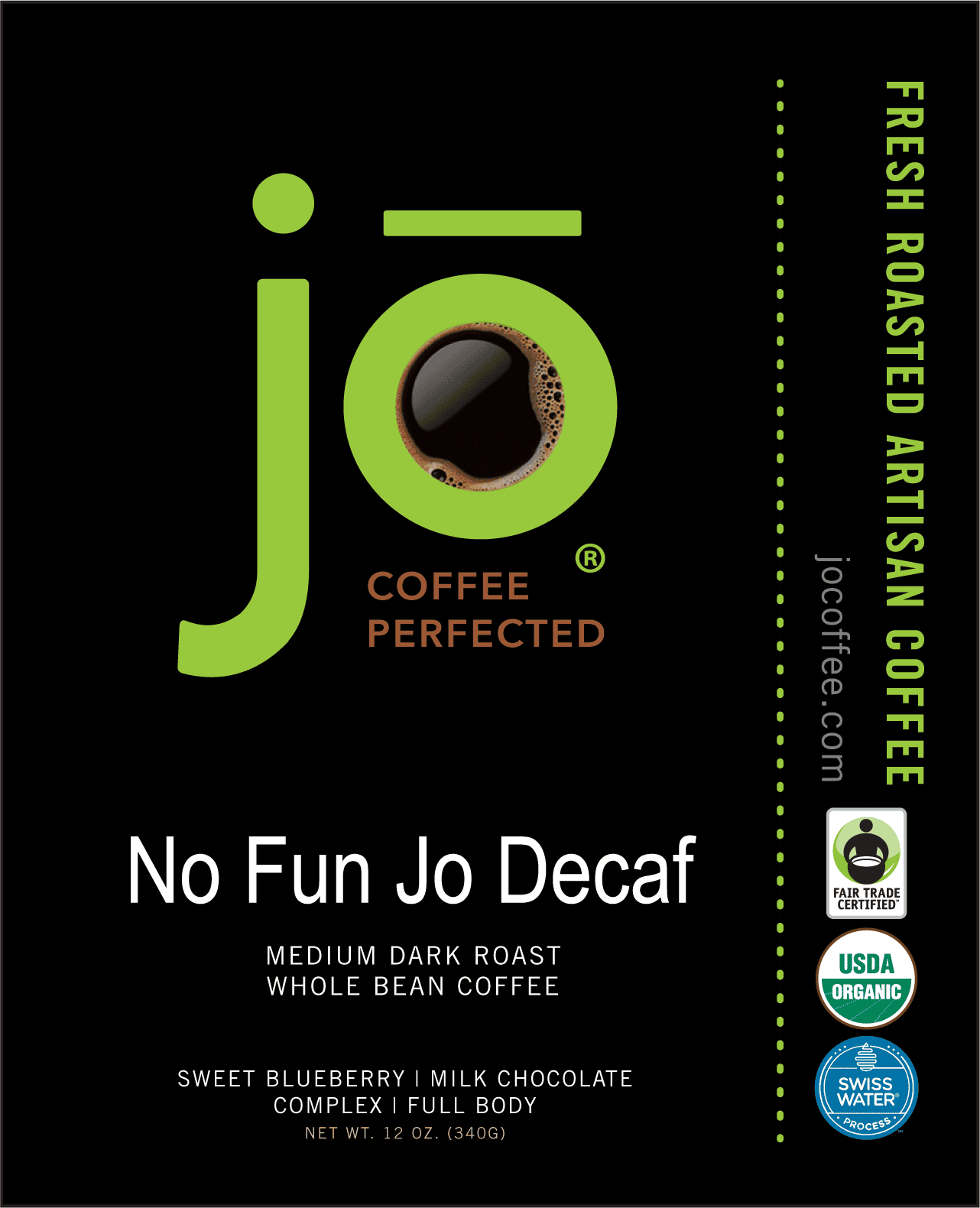
Jo describes No Fun Jo Decaf as medium-dark whole-bean Arabica, Swiss Water decaffeinated, USDA Certified Organic and Fair Trade Certified. The US roaster’s documented bag is 12 oz.
- Format / package
- Whole bean; 12 oz
- Roast / process
- Medium-dark; Swiss Water
Pros
- Whole beans allow a grind matched to your brewer.
- Manufacturer also identifies Fair Trade certification.
Cons
- Whole beans require a grinder and brewing equipment; choose a documented instant format if you want only hot-water preparation.
2. Don Pablo Subtle Earth Organic Swiss Water Decaf
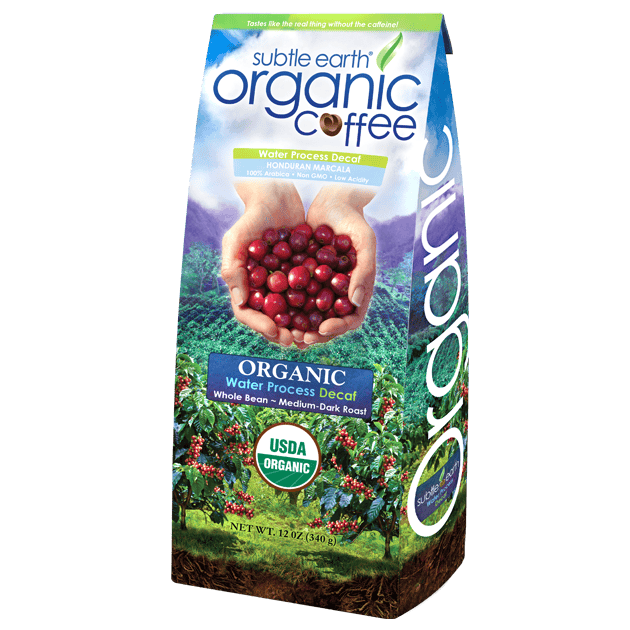
Don Pablo describes Subtle Earth Organic Swiss Water Decaf as medium-dark and Certified Organic by CCOF. The selected US-facing product is the 12 oz whole-bean bag.
- Format / package
- Whole bean; 12 oz
- Roast / process
- Medium-dark; Swiss Water
Pros
- Named organic certifier in the manufacturer description.
- Whole-bean format.
Cons
- The selected version is whole bean; a preground selection requires its own format check.
3. Mount Hagen Arabica Instant Decaf
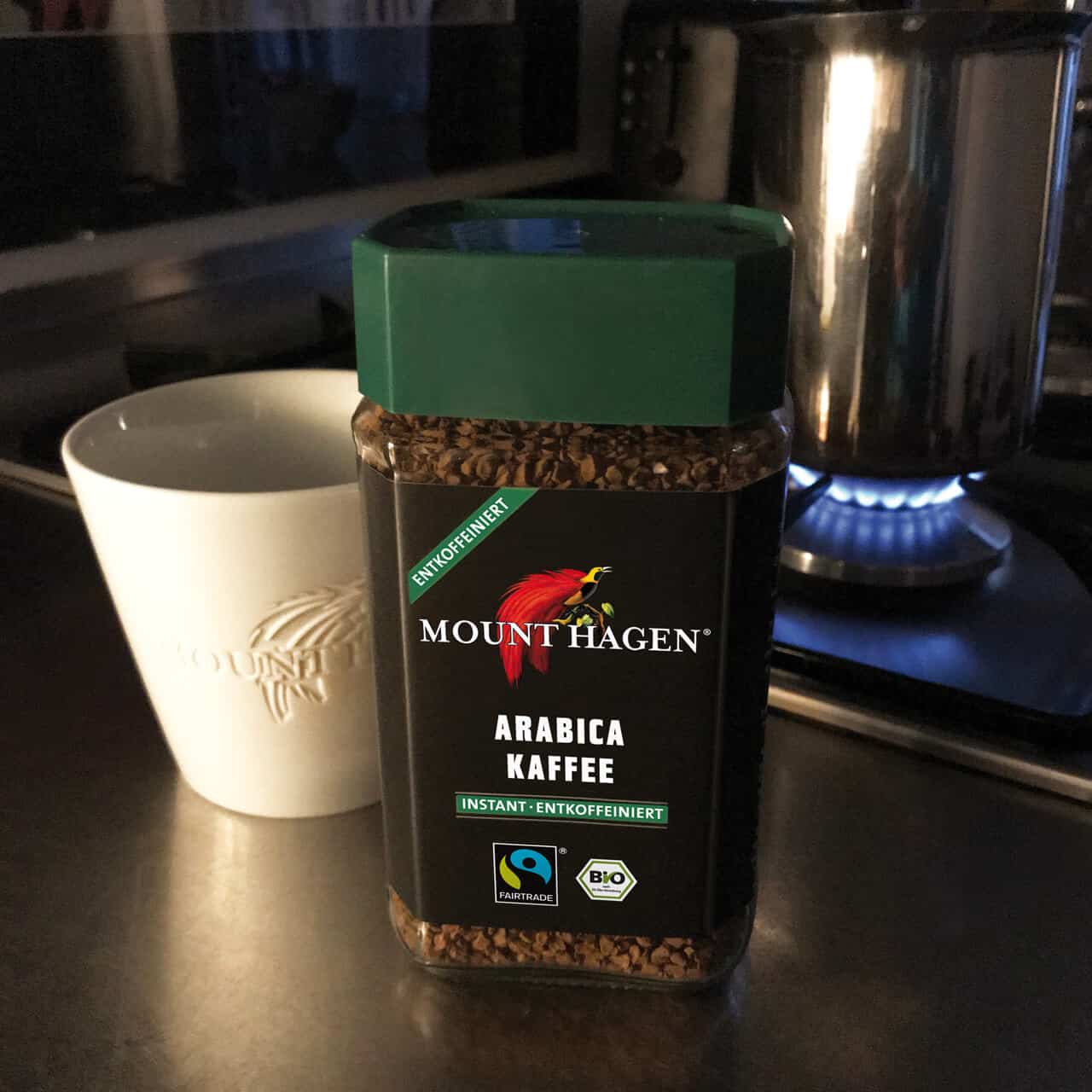
For German-market context, Mount Hagen’s 100 g glass jar contains freeze-dried instant Arabica decaf. The manufacturer describes medium roast, CO₂ decaffeination, organic cultivation and Fairtrade, with hot-water preparation.
- Format / package
- Instant; 100 g glass jar
- Source context
- German-market manufacturer catalog
Pros
- Instant preparation by adding hot water.
Cons
- German-market 100 g jar; it does not establish the package or label of a US instant purchase.
Match the grind and equipment
Use the preparation method you already have as the first filter. Whole beans give you control of grind but add a grinder and brewing step. A small bag can be useful when decaf is an occasional drink; package size alone does not rate freshness.
Jo’s general brewing guide discusses coarse French-press, medium drip and fine espresso grinds. Don Pablo’s instructions also match grind to method. Use them alongside your equipment’s directions rather than treating them as a machine-specific test of these bags.
Decaf is not caffeine-free
FDA gives a typical range of about 2–15 mg caffeine in an eight-fluid-ounce cup of decaf. This is a general range, not a measurement of either coffee here.
If a manufacturer gives a caffeine figure, check whether it describes dry coffee, a percentage removed, or a prepared drink. A percentage of caffeine removed cannot, by itself, tell you the milligrams in your mug. For a medically advised caffeine restriction, ask for guidance that fits the restriction rather than interpreting “decaf” as an unconditional clearance. For tea, compare blends, caffeine sources and serving sizes separately.
Check the exact decaf package
Keep decaffeination method, organic claim and format in separate fields. Confirm “decaf” on the precise version, choose beans or a documented ground format for your routine, and follow producer storage directions.
Use roast and origin as descriptive clues rather than quality scores. The separate German instant example shows a preparation difference; it should not become an invented third US recommendation.
How this guide was prepared
This AI-assisted guide compares manufacturer records checked October 1, 2026, with product and regional claims kept distinct. It does not report tasting, machine tests, prepared-cup caffeine measurements or checked prices and stock.