Organic Baby Formula: Types, Labels and Safety Questions
Compare infant formula by age label, country market, formula type, allergens and preparation directions. The three U.S.-context examples below offer different milk-based labels and can sizes; discuss the exact container with the pediatric clinician before switching.

Our Top 3 picks
Our three starting choices from the 3 documented options below are selected for documented dairy formula, A2 label identity and can size, within a U.S. caregiver context.
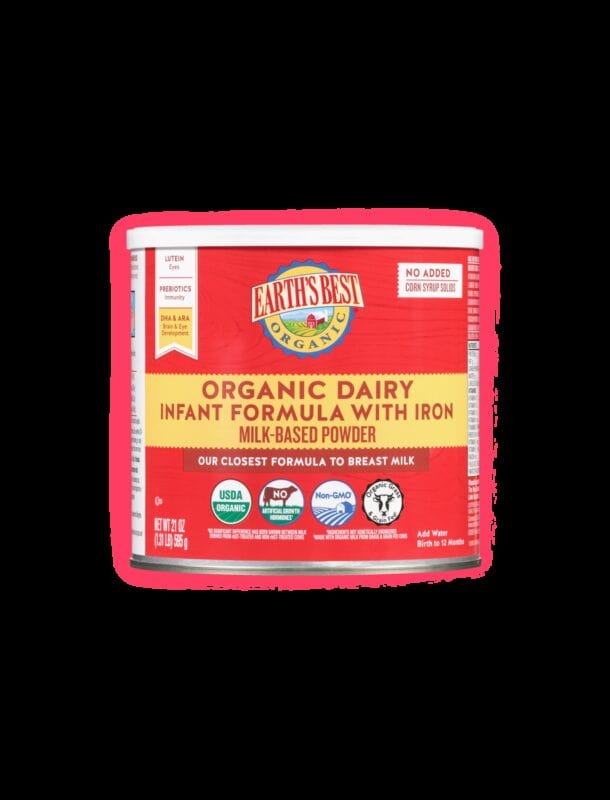
Maker photo: 21 oz (595 g). Earth's Best Organic Dairy Infant Formula
1. A clearly documented dairy option
The named formula and explicit allergen information provide a concrete label for the feeding discussion.
Read Earth's Best Organic Dairy Infant Formula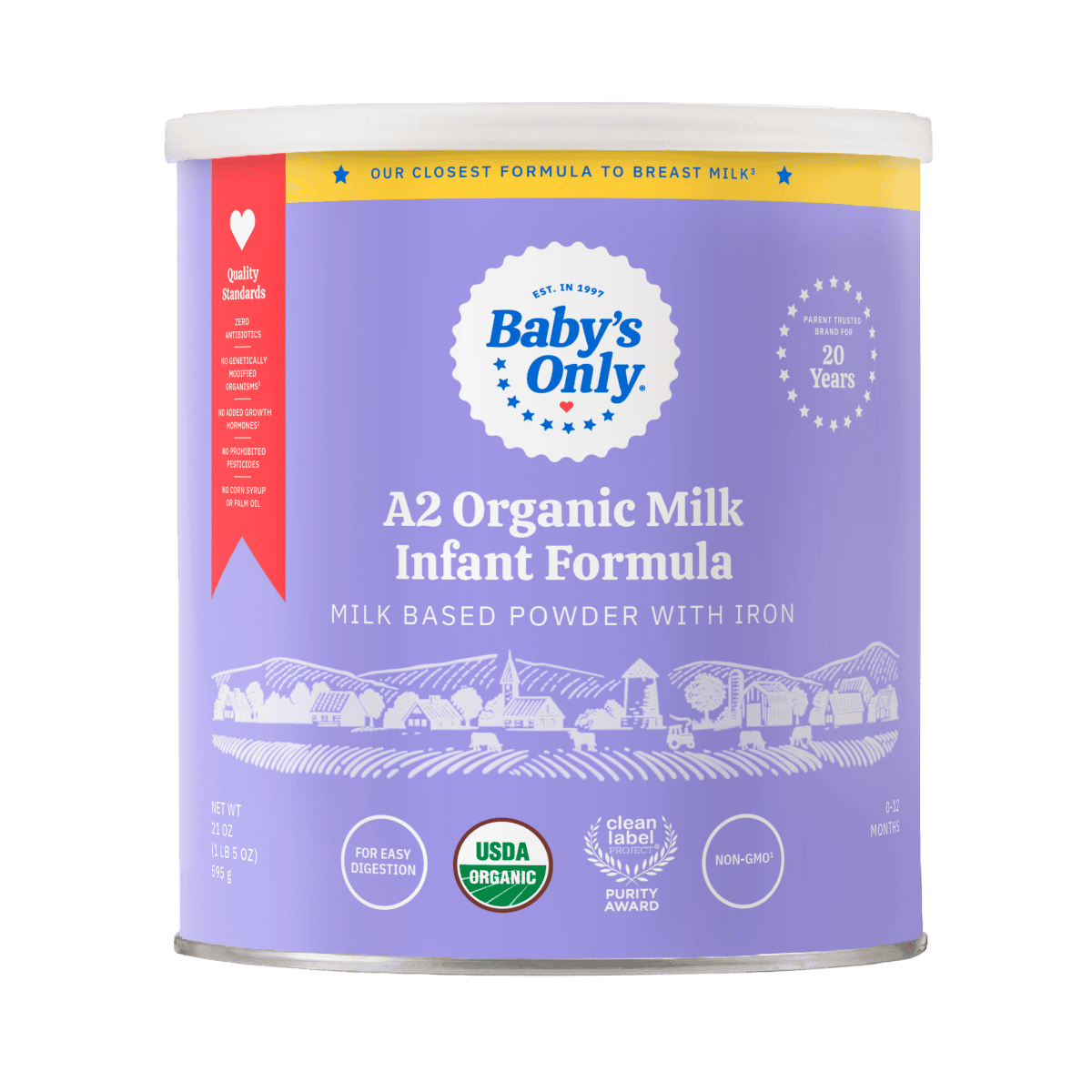
Baby's Only A2 Organic Milk Infant Formula
2. An A2-labelled infant option
Its stated A2 identity makes it a distinct formula type to discuss with the pediatric clinician.
Read Baby's Only A2 Organic Milk Infant Formula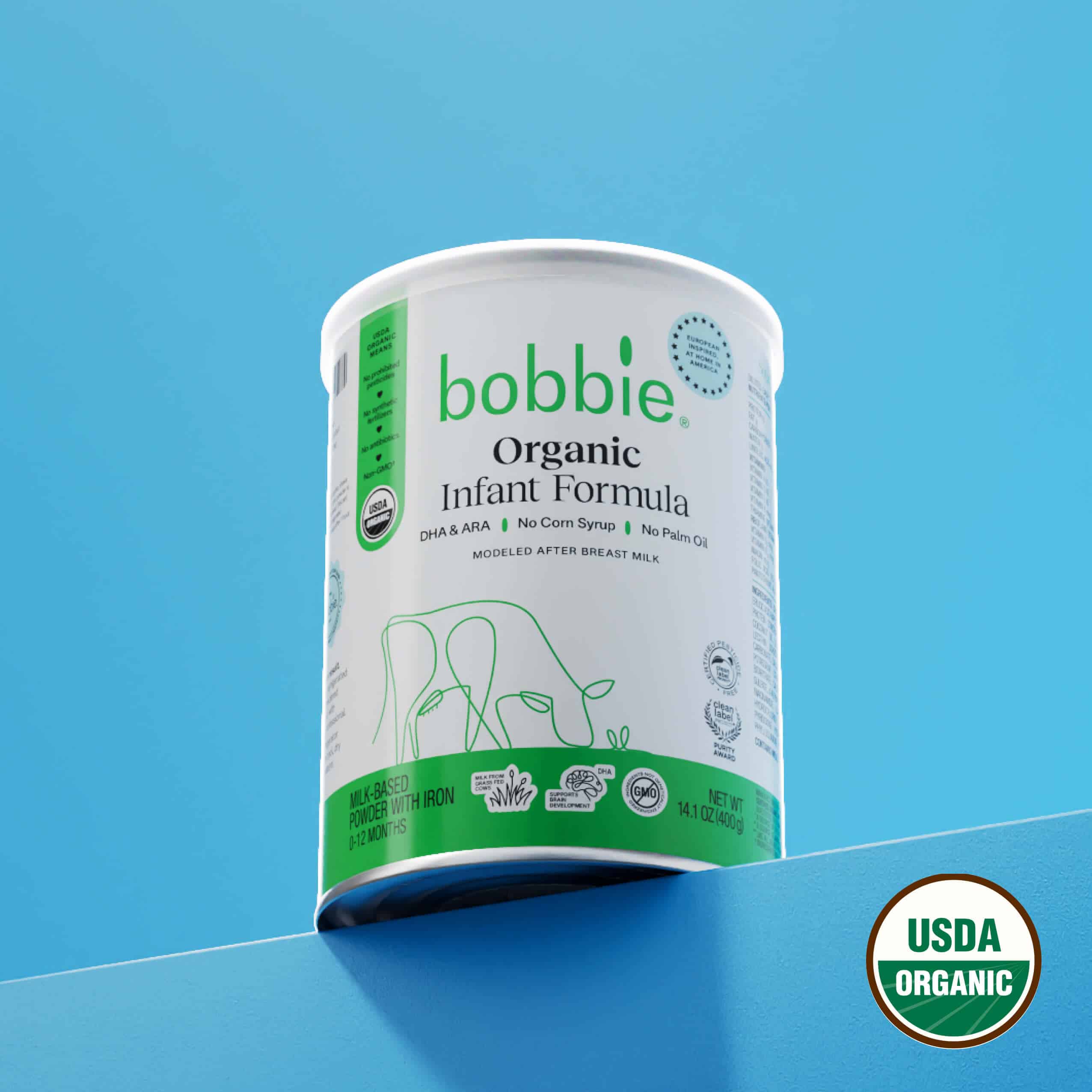
Bobbie Organic Original Infant Formula
3. A smaller Original-recipe can
The 14.1 oz package offers a distinct size preference among the documented infant options.
Read Bobbie Organic Original Infant Formula
Quick verdict
For a U.S.-context comparison, start with the three documented infant products below: Earth’s Best dairy formula, Baby’s Only A2 infant formula and Bobbie Original. Compare exact type, age label, allergens and can size with the pediatric clinician before switching.
Product comparison
| Product | Selected package | Documented distinction | Choice consideration |
|---|---|---|---|
| Earth's Best Organic Dairy Infant Formula | Dairy formula with iron; 21 oz | USDA Organic manufacturer claim | Milk and soy allergens |
| Baby's Only A2 Organic Milk Infant Formula | A2 milk infant formula; 21 oz | Labelled ages 0–12 months | A2 is not an allergy recommendation |
| Bobbie Organic Original Infant Formula | Original recipe; 14.1 oz | USDA Organic milk-based formula | Separate preparation and type assessment |
1. Earth's Best Organic Dairy Infant Formula
Earth’s Best identifies Organic Dairy Infant Formula with Iron. Its current gallery can states 21 oz (595 g); the maker lists milk and soy allergens.
- Selected package
- Dairy formula with iron; 21 oz
- Documented distinction
- USDA Organic manufacturer claim
Pros
- An explicitly identified dairy infant formula with iron.
Cons
- Contains milk and soy; this comparison does not establish an allergy-specific substitute.
2. Baby's Only A2 Organic Milk Infant Formula
Baby’s Only lists A2 Organic Milk Infant Formula for ages 0–12 months. This is the 21 oz infant-formula can.
- Selected package
- A2 milk infant formula; 21 oz
- Documented distinction
- Labelled ages 0–12 months
Pros
- An A2-labelled infant option with an explicit age range.
Cons
- A2 wording does not establish allergy suitability. Keep infant formula separate from toddler drinks.
3. Bobbie Organic Original Infant Formula
Bobbie identifies Organic Original as a USDA Organic milk-based infant formula. The selected Original recipe comes in a 14.1 oz can.
- Selected package
- Original recipe; 14.1 oz
- Documented distinction
- USDA Organic milk-based formula
Pros
- A smaller documented can for readers comparing package sizes.
Cons
- Milk-based formula; use this container’s preparation instructions when considering a change.
Separate European label context: Holle Formula 1
Holle labels its cow-milk Organic Infant Formula 1 for use from birth and reports a 67% Demeter ingredient share. Organic and Demeter describe different scopes. This European-market label does not establish a U.S. import channel or support replacing the current formula. Holle manufacturer information.
Identify the exact U.S. product
FDA states that infant formula sold in the United States must meet U.S. requirements, including safety and nutritional adequacy requirements. It cautions about ordering imported products online or through third-party distributors. FDA infant formula resources.
Record the complete product name, country-market label, age range, package format and manufacturer. A European stage number should not be translated into a U.S. age recommendation by guesswork. Brand-level descriptions alone are insufficient to verify an individual formula. The evidence must match the container being offered.
Do not substitute a toddler drink for infant formula. FDA says products marketed as toddler formulas are not designed to meet the needs of babies younger than 12 months. It also advises against homemade formula. FDA guidance for parents.
FDA does not approve individual infant formula products. Its U.S. market list is not an endorsement or confirmation of every formula from a listed brand. FDA formula oversight, FDA U.S. market list
An EU organic claim or European stage label does not establish that the exact container and import channel meet U.S. requirements. FDA formula oversight
For this comparison, keep the country-market label and preparation instructions together when discussing a switch. Use the FDA list as a starting reference, not a substitute for checking the exact product. A lot-specific recall check remains separate from the general market and ingredient comparison.
Separate routine and specialized formulas
Compare products within the type relevant to the baby's feeding plan. Do not collapse standard milk-based formula, extensively hydrolyzed formula and amino acid-based formula into one “best organic” ranking. If allergy, prematurity or another medical need is involved, bring the exact label to the pediatric clinician before considering a substitution.
The word “hypoallergenic” needs product-specific context. It should not be assigned from a brand name, a retailer category or a product's country of origin. A current formula guide must establish what the particular label says and which market it describes. An unavailable or untranslated instruction panel is a reason to pause that comparison.
Understand the formats
Powder, liquid concentrate and ready-to-feed formula have different preparation instructions. Record which format you are comparing and whether water must be added. Never transfer a scoop, dilution ratio or preparation instruction from another container.
CDC advises washing hands, cleaning feeding equipment, measuring water before powder and using the exact labeled ratio. Powdered formula is not sterile. For babies younger than two months, born prematurely or with weakened immunity, CDC specifies additional precautions, including boiling water and waiting about five minutes before mixing, then cooling the prepared feed before use. Its guidance identifies approximately 158°F/70°C water for killing germs in powder. CDC preparation guidance.
CDC advises using prepared formula within two hours of preparation and one hour of starting a feed; promptly refrigerate an unused prepared bottle and use within 24 hours. Discard leftovers from a feed, and never microwave formula. Follow the container's use-by date and after-opening instructions. CDC storage guidance. During unsafe-water events, use the agency's emergency guidance and local public-health advice rather than improvising.
What organic contributes to the comparison
USDA uses separate categories for finished products and organic ingredients. USDA categories.
Record the exact certification claim alongside the age indication, market information and preparation instructions. Require an answer to each question instead of letting one favorable detail close the comparison.
A useful purchasing record includes a photo of every label panel, the seller, lot code and date checked. Verify recalls against the exact product and lot through official notices; a familiar brand is not a substitute for that check. This informational guide does not certify any product or lot as recall-free.
When discussing options with the pediatric clinician, bring the current formula and proposed alternative labels together. Ask whether the types are comparable, whether the preparation plan needs to change and whether there is a specific reason for switching. That conversation is more useful than a universal winner built from packaging claims.
Research note
This guide uses AI-assisted documentary research of the cited labels and public guidance. We compare formats, ingredients and serving information; we have not used or clinically tested the products, and no medical review is claimed.