Organic Ginger Powder and Supplements: Compare the Formats
Compare ginger products by intended role, form, package size, ingredients and organic claim scope. Five culinary powders and one capsule extract are documented below. Keep recipe use separate from supplement research; a concentrated extract is not interchangeable with a spoonful of spice.

Our Top 3 picks
Our three starting choices from the 6 documented options below are selected for small-jar cooking, bulk cooking and a separate capsule-extract purpose.
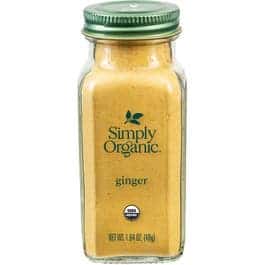
Simply Organic Ground Ginger from the manufacturer product gallery. Simply Organic Ground Ginger
1. Occasional cooking
The small jar suits a kitchen that uses ginger in modest recipe amounts.
Read Simply Organic Ground Ginger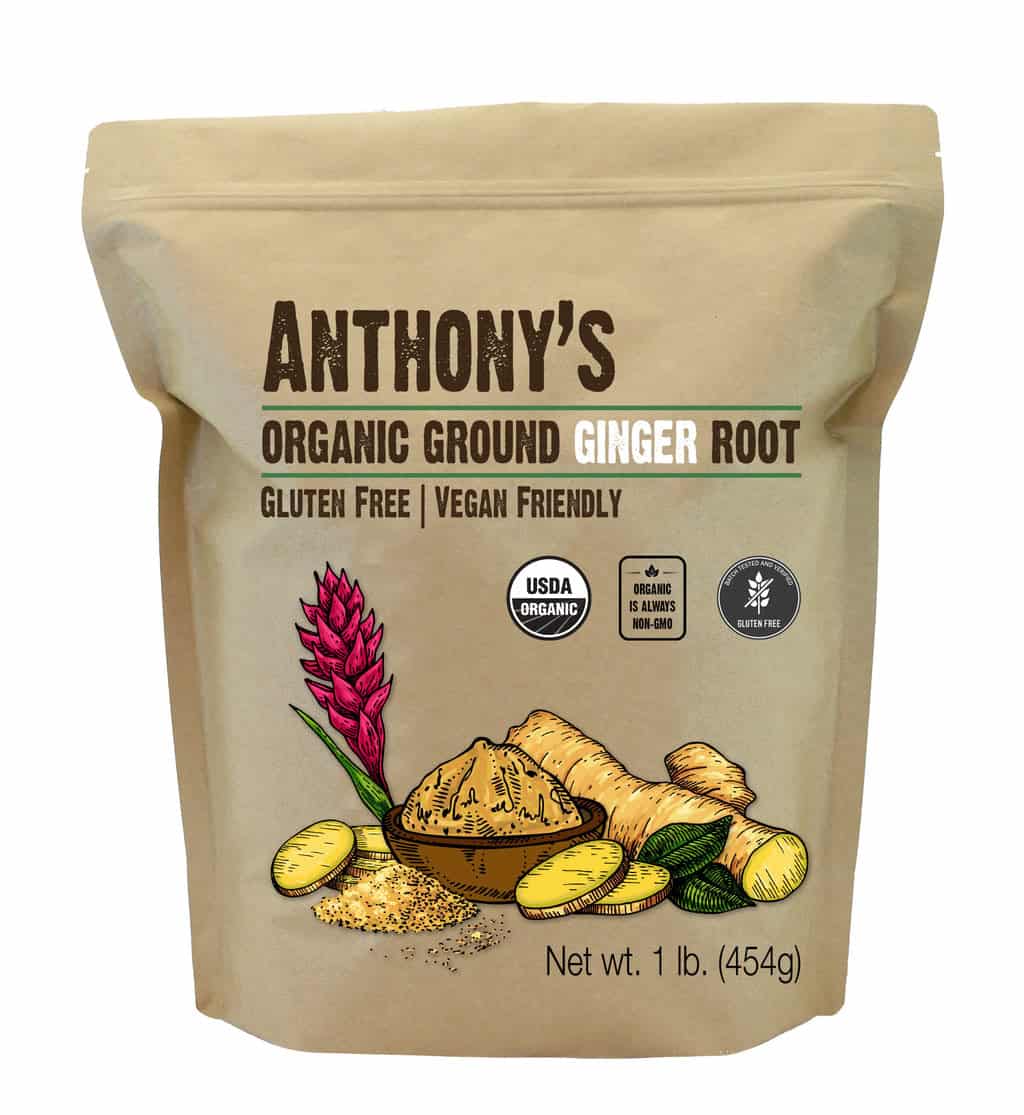
Anthony’s Organic Ground Ginger Root from the manufacturer product gallery. Anthony’s Organic Ground Ginger Root
2. Frequent cooking
The one-pound format fits a different package preference from a small spice jar.
Read Anthony’s Organic Ground Ginger Root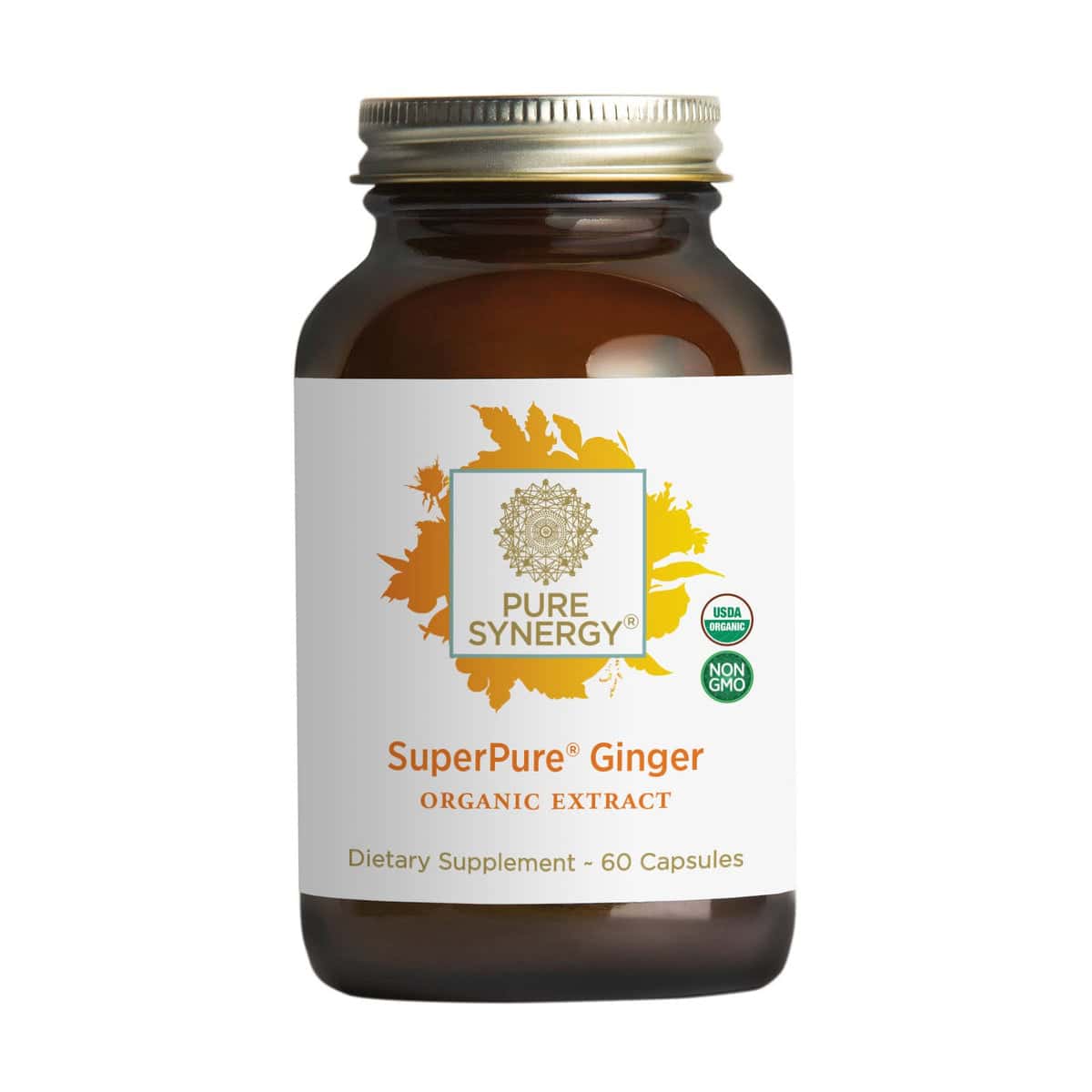
Pure Synergy SuperPure Ginger Extract from the manufacturer product gallery. Pure Synergy SuperPure Ginger Extract
3. A capsule-extract label discussion
It documents a supplement format for readers whose question concerns an extract rather than food seasoning.
Read Pure Synergy SuperPure Ginger Extract
Quick verdict
For occasional cooking, Simply Organic’s 1.64 oz jar is a practical starting size. For frequent cooking, compare Anthony’s one-pound bag. Pure Synergy SuperPure Ginger belongs in a separate capsule-extract discussion, with its own label and no kitchen-spice conversion.
Product comparison
| Product | Format and package | Documented label information | Main tradeoff |
|---|---|---|---|
| Simply Organic Ground Ginger | Ground spice; 1.64 oz jar | Organic ginger; QAI manufacturer statement | Smaller quantity for frequent cooking |
| Anthony’s Organic Ground Ginger Root | Ground spice; 1 lb bag | Single-ingredient ginger; brand organic claim | Bulk quantity needs a use/storage plan |
| Pure Synergy SuperPure Ginger Extract | Extract; 60 capsules | 425 mg extract; 25 mg gingerols/shogaols per capsule | Separate supplement category |
| Healthworks Organic Ginger Powder | Culinary powder; 1 lb | Healthworks organic description | Bulk package preference |
| Best Naturals Organic Ginger Powder | Culinary powder; 227 g | USDA Organic manufacturer description | Complete ingredient label needed |
| Terrasoul Organic Ginger Powder | Culinary powder; 1 lb | Organic ginger root; shared tree-nut facilities | Check allergy requirements |
1. Simply Organic Ground Ginger
Simply Organic lists organic ginger as the sole ingredient in its 1.64 oz Ground Ginger jar and identifies QAI as certifier.
- Format and package
- Ground spice; 1.64 oz jar
- Documented label information
- Organic ginger; QAI manufacturer statement
Pros
- Small cooking-spice jar for occasional use.
Cons
- A smaller package requires more frequent replacement if you cook with large amounts.
2. Anthony’s Organic Ground Ginger Root
Anthony’s describes its one-pound Organic Ground Ginger Root as a single-ingredient, USDA Certified Organic culinary powder.
- Format and package
- Ground spice; 1 lb bag
- Documented label information
- Single-ingredient ginger; brand organic claim
Pros
- Bulk format for a kitchen that uses ginger regularly.
Cons
- A one-pound package needs storage space and a realistic plan to use it; bulk size is not automatic value.
3. Pure Synergy SuperPure Ginger Extract
Pure Synergy SuperPure Ginger is a 60-capsule extract. The manufacturer lists 425 mg extract and 25 mg gingerols and shogaols per capsule and describes it as USDA Organic.
- Format and package
- Extract; 60 capsules
- Documented label information
- 425 mg extract; 25 mg gingerols/shogaols per capsule
Pros
- Extract format with separately stated extract and constituent amounts.
Cons
- Not a cooking powder; do not add the constituent amount to the extract weight or convert either figure into tablespoons.
4. Healthworks Organic Ginger Powder
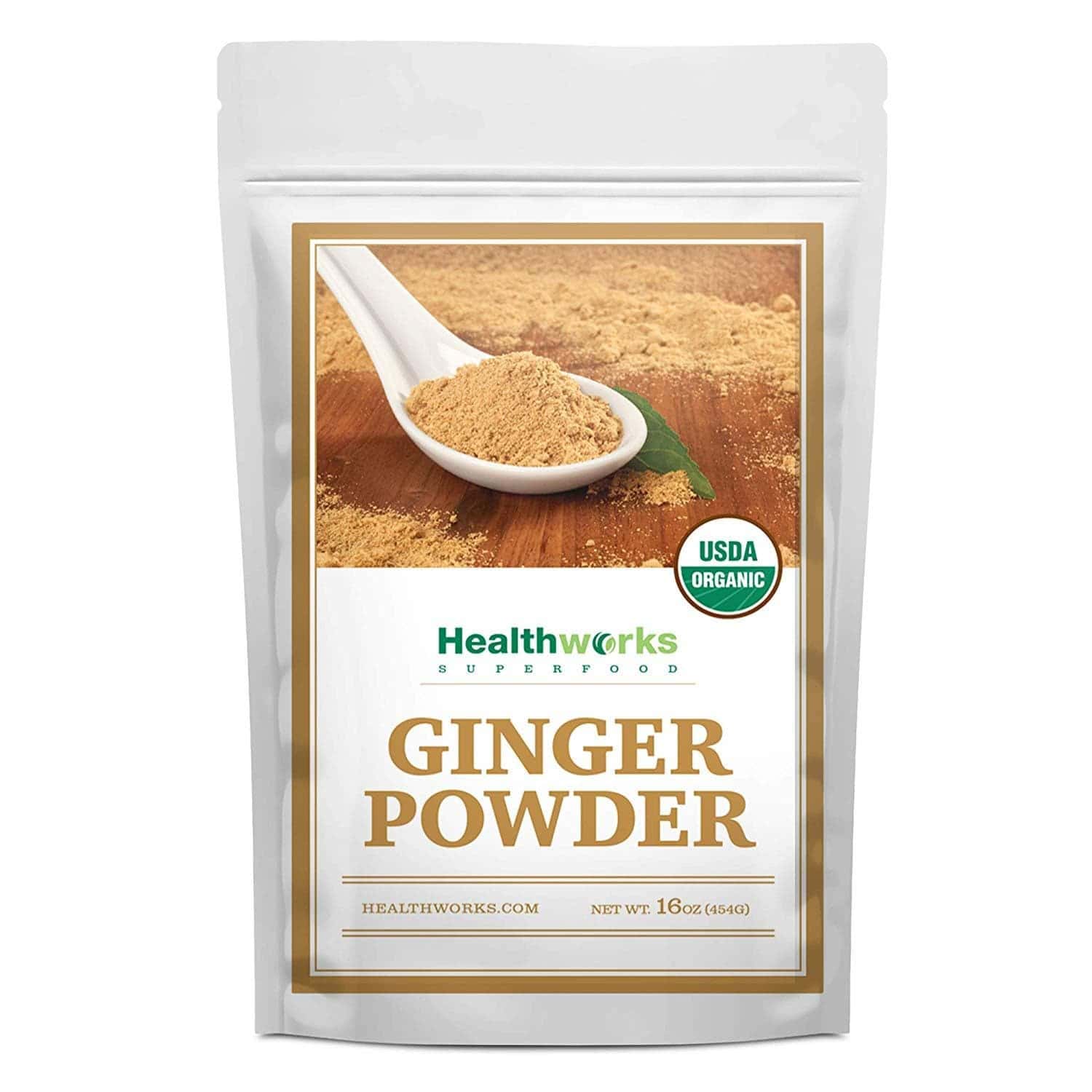
Healthworks describes its one-pound ginger powder as organic. This is the Healthworks culinary product.
- Format and package
- Culinary powder; 1 lb
- Documented label information
- Healthworks organic description
Pros
- Another documented bulk cooking-powder option.
Cons
- Large package volume should fit your recipe use and storage space.
5. Best Naturals Organic Ginger Powder
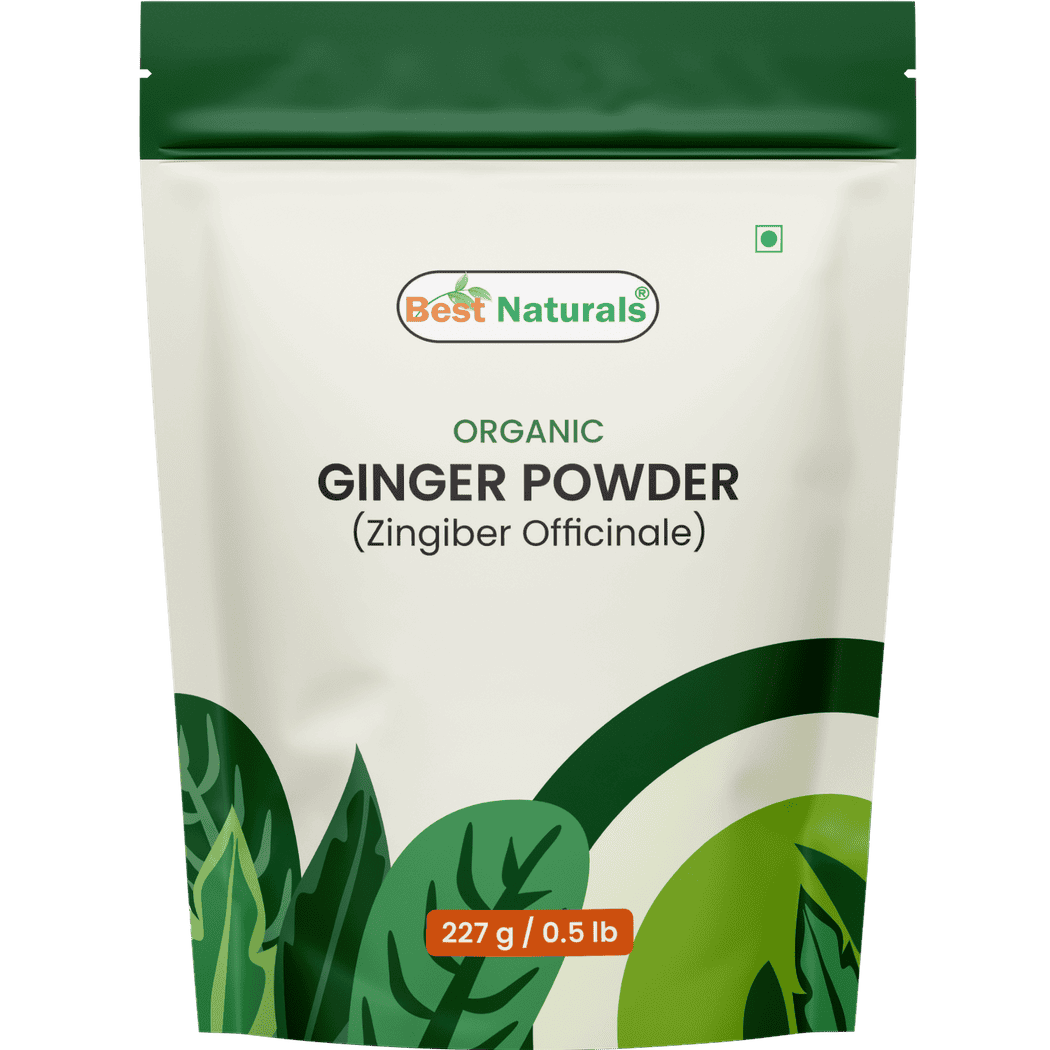
Best Naturals identifies its 227 g ginger powder as USDA Organic on the product page.
- Format and package
- Culinary powder; 227 g
- Documented label information
- USDA Organic manufacturer description
Pros
- An intermediate documented package size between a spice jar and a one-pound bag.
Cons
- The recorded page does not establish the full ingredient declaration; read the complete package label before choosing it.
6. Terrasoul Organic Ginger Powder
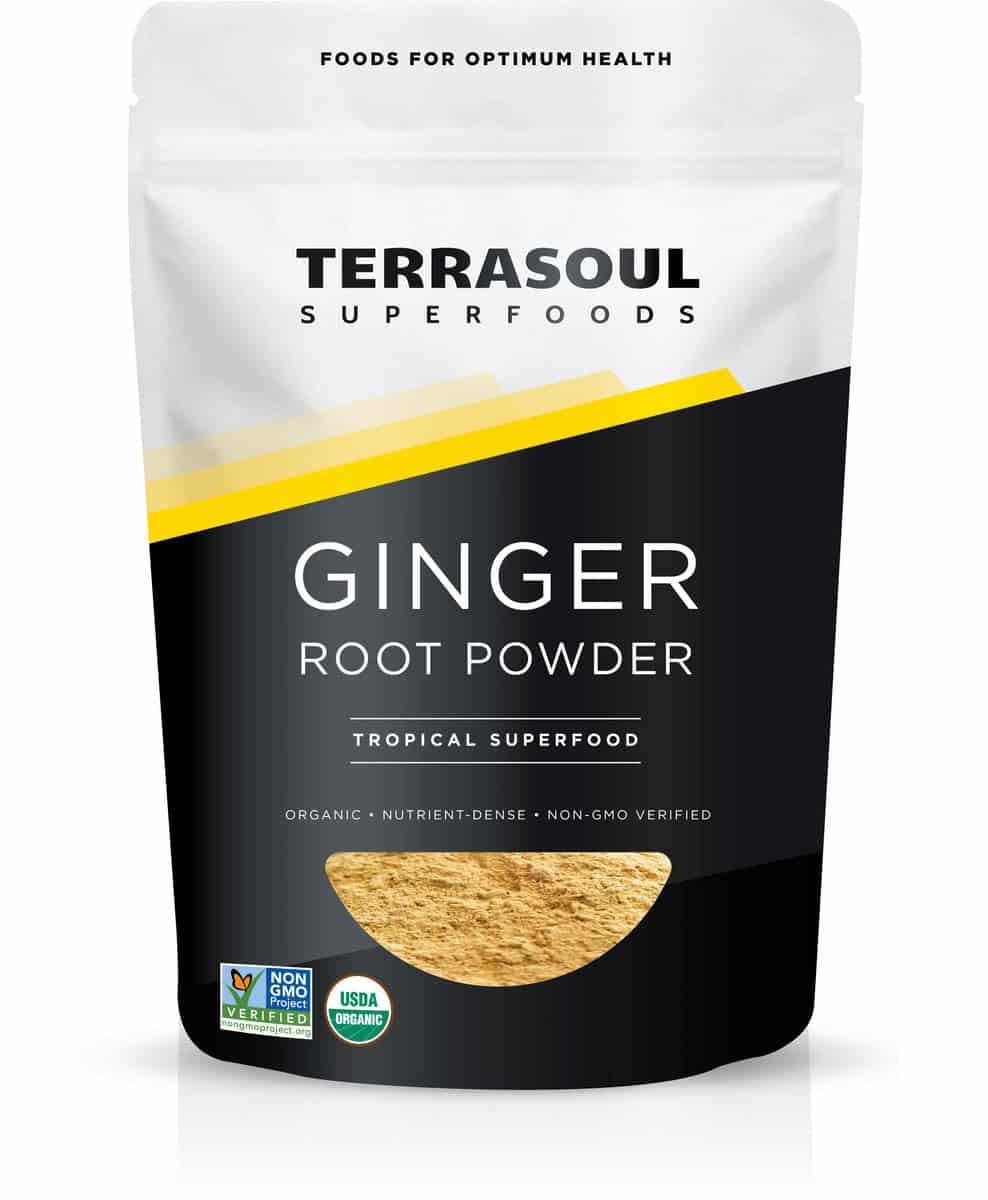
Terrasoul lists organic ginger-root powder as the sole ingredient in its one-pound bag. The manufacturer notes shared facilities with tree nuts.
- Format and package
- Culinary powder; 1 lb
- Documented label information
- Organic ginger root; shared tree-nut facilities
Pros
- Single-ingredient bulk culinary powder.
Cons
- Shared facilities with tree nuts are a material consideration for readers managing allergies.
Put cooking format to work
A jar is convenient when ginger is an occasional baking or seasoning ingredient; a bulk package suits a routine that uses more. Think about the soups, marinades, stir-fries, dressings or baked dishes you actually make, then choose a package you can store and use. Follow the recipe rather than converting a capsule extract into a spoonful of spice.
Identify what the package contains
Ginger is Zingiber officinale, and the rhizome is the part commonly used for food and health purposes. NCCIH notes that much of the human research has examined supplements rather than foods. NCCIH ginger overview. The exact form therefore matters before discussing any study.
Begin with the product's stated purpose and label. Is it plain culinary powder, a capsule of powdered ginger, an extract, a tea blend or a sweetened drink mix? Copy the ingredient list and plant part where declared. If the package includes several ingredients, do not shorten its description to “pure ginger.”
Shopping for the kitchen
For culinary powder, compare the package weight, ingredient list, closure and storage directions. Think about the recipes you actually make and whether you will use a large bag before its labeled quality date. A small jar may be more practical even when its price per ounce is higher.
Check whether the product is ground ginger alone or a blend containing sugar, spices or other ingredients. A drink mix and a baking spice can be enjoyable in different ways, but they should not occupy the same row in a purity comparison. Use recipes and storage needs to judge the package; taste, aroma and texture remain personal preferences.
Shopping for a supplement
Read the full serving rather than a headline milligram figure. Record the number of capsules or measured liquid units, the ginger amount, the named form and any other active ingredients. For extracts, copy a stated extraction ratio or standardization exactly, with its unit and scope.
Do not turn an extraction ratio into a claim of stronger clinical effects. A raw-material-equivalent figure and an extract's measured weight answer different questions. If a seller provides only one of them, leave the missing detail unresolved. The same principle applies to a gingerol percentage: it needs an exact product and serving context before it is useful.
Use two shortlists, one for food and one for supplements. Within each, compare like formats. This prevents an inexpensive bulk food powder from appearing to be a medically equivalent alternative to a studied supplement, while still allowing a fair kitchen-value comparison.
Keep health claims narrow
NCCIH reports that ginger may help pregnancy-associated nausea, while evidence for motion sickness generally has not shown benefit and evidence for some other uses remains uncertain. It also notes limitations in study quality. NCCIH evidence summary. These findings do not establish that every ginger product treats nausea or another condition.
Oral ginger can cause abdominal discomfort, heartburn, diarrhea or mouth and throat irritation. NCCIH advises discussing herbal products with a clinician when taking medicines; it also notes limited knowledge about ginger supplement safety during breastfeeding. NCCIH safety guidance. Pregnancy is a reason for a specific clinical discussion rather than a self-directed supplement experiment.
Check what organic covers
USDA distinguishes organic finished products from specified organic ingredients. USDA labeling.
Copy the exact certification wording into your shortlist and retain a dated label photo. Leave unanswered questions about concentration and clinical evidence visible for later review.
A dietary supplement is not an FDA-approved medicine. FDA supplement explanation.
For a practical purchase, prioritize an understandable purpose, complete label and usable package. For a health concern, take that label to the clinician so the discussion concerns the actual product rather than ginger in the abstract.
Research note
This guide uses AI-assisted documentary research of cited product labels and public guidance. It compares culinary powder with the separate capsule extract; we have not cooked with, tasted or clinically tested the products, and no medical review is claimed.