Organic Omega-3 Supplements: ALA, EPA and DHA Compared
Compare omega-3 products by the named fatty acids, amount per complete serving, oil source and format. The ten options below include ALA oils, DHA capsules and a DHA + DPA softgel; total oil weight cannot make those categories equivalent.
Our Top 3 picks
Our three starting choices from the 10 documented options below are selected for distinct ALA, DHA-labelled and DHA + DPA identities plus liquid or capsule format.
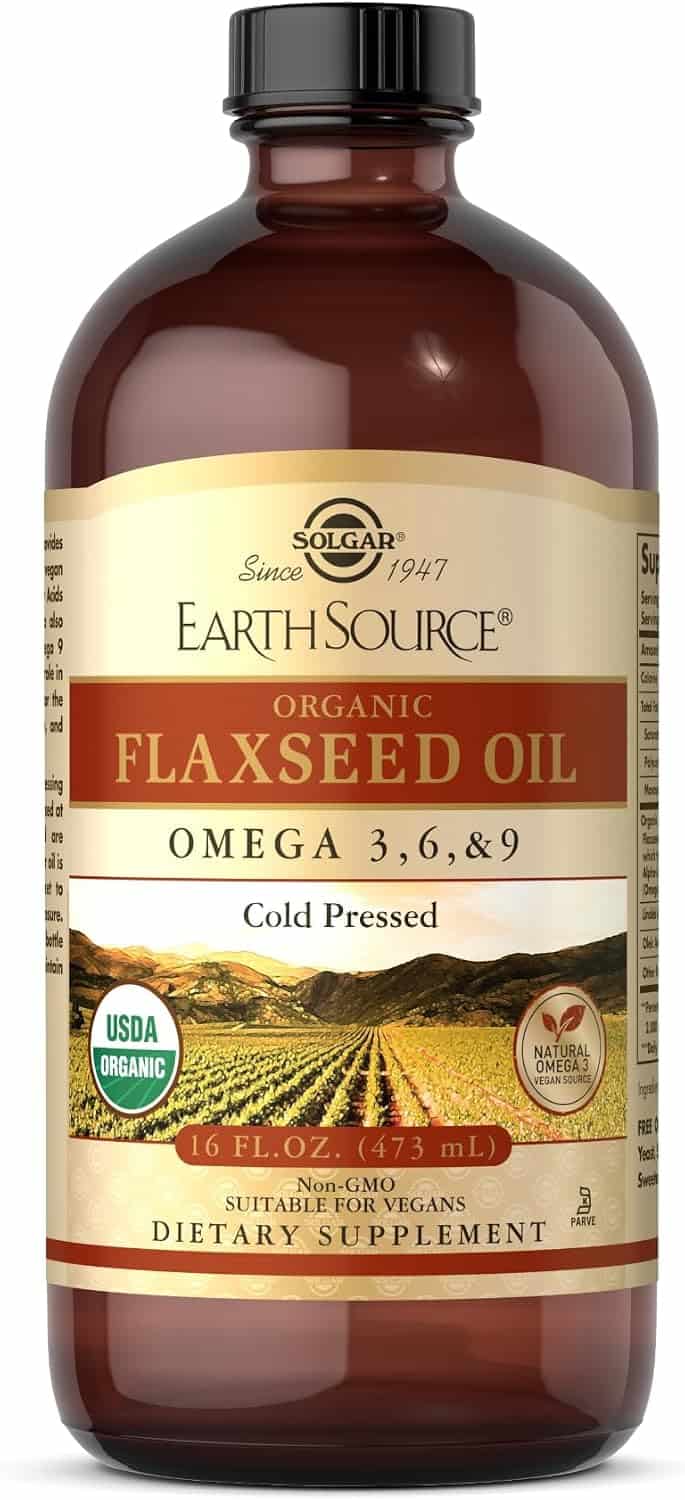
16 fl oz (473 mL) liquid. Solgar Earth Source Organic Flaxseed Oil
1. An organic liquid ALA option
The liquid format and identified ALA source fit a distinct dietary-source comparison.
Read Solgar Earth Source Organic Flaxseed Oil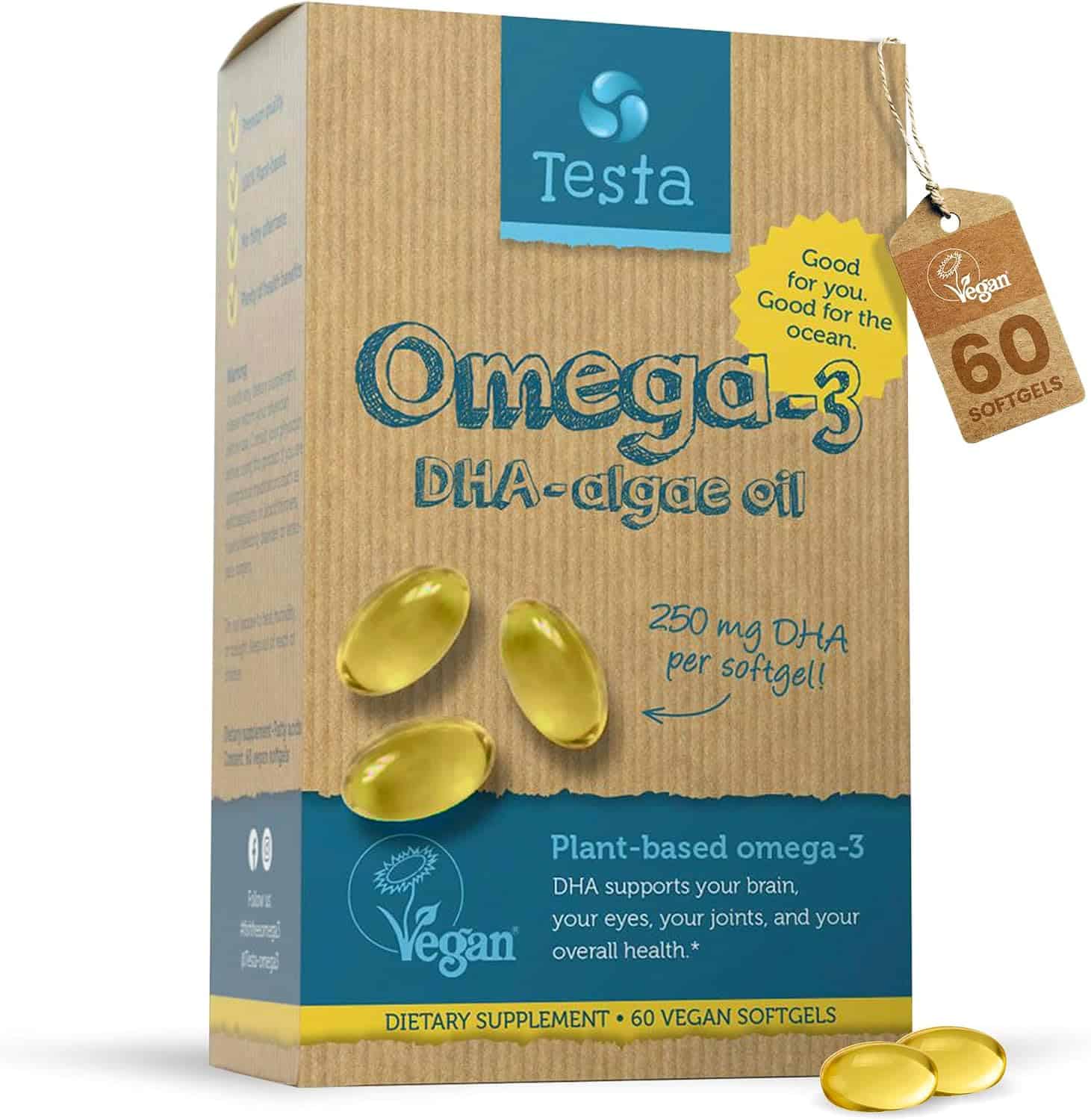
Label: 250 mg DHA per softgel. Testa Omega 3 DHA
2. DHA-labelled softgels
Its declared DHA amount provides a more precise comparison than total oil weight alone.
Read Testa Omega 3 DHA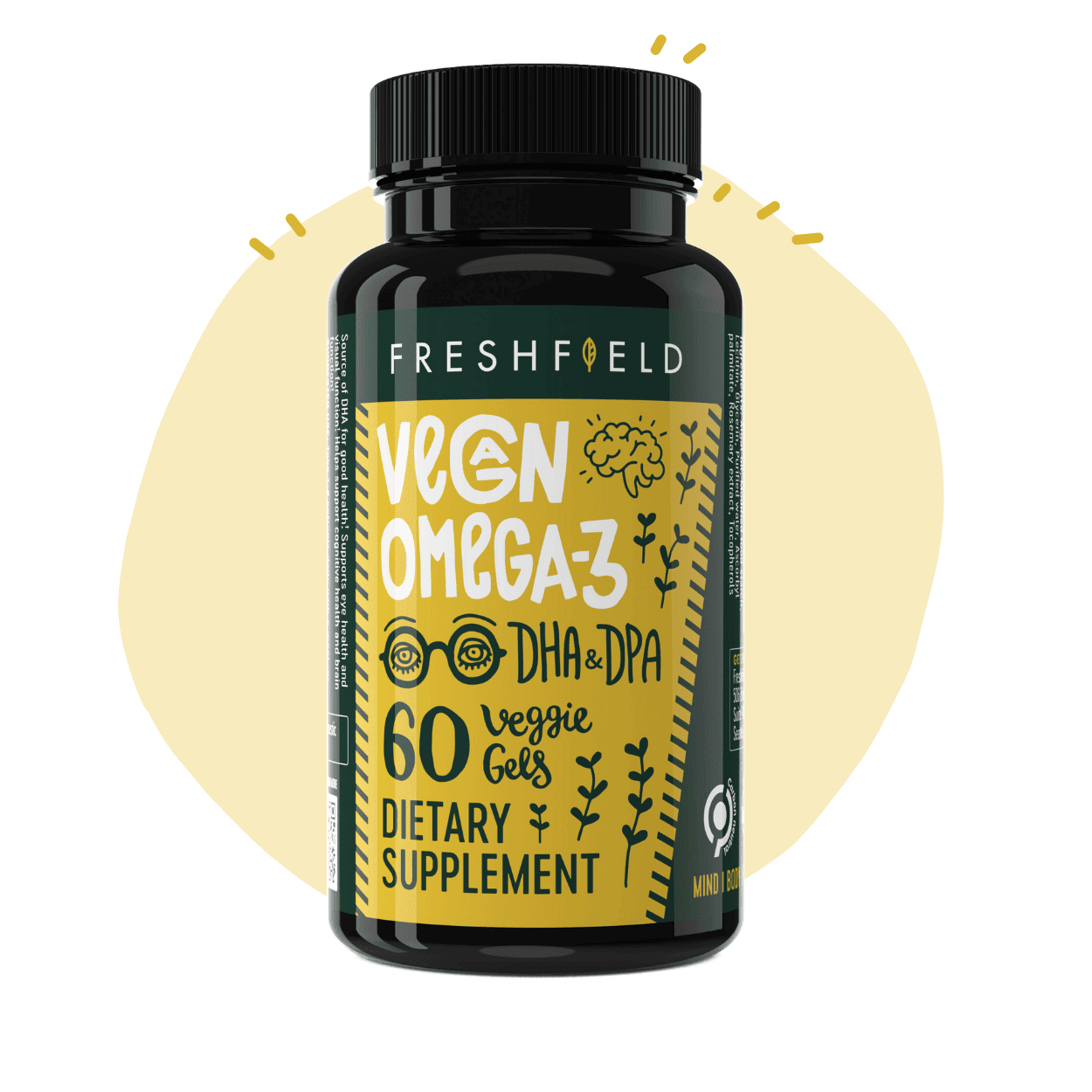
Freshfield Vegan Omega 3 DHA + DPA
3. A DHA + DPA-labelled softgel
Its stated fatty-acid combination differs from the other DHA and ALA choices.
Read Freshfield Vegan Omega 3 DHA + DPA
Quick verdict
Choose the fatty-acid category first. Solgar is an organic liquid ALA option; Testa documents DHA-labelled softgels; Freshfield’s U.S. softgels identify DHA + DPA. Those are different label comparisons, so total oil weight should not decide between them.
Product comparison
| Product | Format and package | Source or fatty-acid identity | Main distinction | Organic claim |
|---|---|---|---|---|
| Solgar Earth Source Organic Flaxseed Oil | Liquid; 16 oz (473 mL) | Flaxseed oil; ALA | Different comparison from EPA/DHA | USDA |
| Testa Omega 3 DHA | DHA softgels; 60 count | 250 mg DHA per softgel | Separate DHA+EPA formula facts | Not established |
| Freshfield Vegan Omega 3 DHA + DPA | U.S. softgels; 60 count | Algal oil; named DHA + DPA | Check individual amounts on U.S. label | Not established |
| GoodEarth Nutrition Vegan Omega 3 DHA | Softgels; two-softgel label serving | Algal-oil DHA formula | Compare the full serving | Oil ingredient only |
| Nature Made Flaxseed Oil | 1400 mg oil; 100 softgels | Flaxseed oil; ALA | No current USDA Organic product claim | No USDA claim shown |
| MaryRuth's Omega 3-6-7-9 Gummies | Peach Mango Apricot; 120 gummies | Flaxseed and sea berry oils | ALA source; inspect individual amounts | Named organic oils |
| NatureWise Flaxseed Oil | 1242 mg variant; 240 count | Organic-labelled flaxseed oil | Oil weight is not EPA/DHA | Organic oil claim |
| Naturesage Pure Omega 3 Oil | Liquid; 100 mL | Clary sage seed oil | Individual fatty-acid amounts need the panel | Not established |
| The Veggie Doctor Vegan Omega 3 Supplement | Capsules; 60 count | Algal oil | Check full-serving DHA/EPA amounts | Not established |
| Wiley's Finest CatchFree Omega | Softgels; 60 count | Finished product not certified organic | Ingredient claim is a different scope | Organic lichen only |
Organic claims are manufacturer-attributed. Ingredient wording does not certify the supplement. “Not established” means finished-product organic certification was not verified from the cited record; it does not mean nonorganic. USDA labeling guidance.
1. Solgar Earth Source Organic Flaxseed Oil
Solgar identifies Earth Source Organic Flaxseed Oil as a USDA Organic liquid oil supplying ALA. The selected bottle contains 16 oz (473 mL).
- Format and package
- Liquid; 16 oz (473 mL)
- Source or fatty-acid identity
- Flaxseed oil; ALA
Pros
- Liquid flaxseed oil with a finished-product organic claim.
Cons
- ALA is not interchangeable with declared EPA or DHA; use the liquid measure on its own label.
View Solgar Earth Source Organic Flaxseed Oil product details
2. Testa Omega 3 DHA
The Testa retailer title identifies an algae-oil DHA supplement. The pictured 60-softgel package states 250 mg DHA per softgel; its listing says two months.
- Format and package
- DHA softgels; 60 count
- Source or fatty-acid identity
- 250 mg DHA per softgel
Pros
- Explicit DHA amount on the label.
Cons
- Use its own panel; separate DHA+EPA facts do not transfer.
3. Freshfield Vegan Omega 3 DHA + DPA
Freshfield identifies its U.S. Vegan Omega 3 DHA + DPA as an algal-oil softgel product. The selected package contains 60 softgels.
- Format and package
- U.S. softgels; 60 count
- Source or fatty-acid identity
- Algal oil; named DHA + DPA
Pros
- A vegan algal-oil format explicitly naming DHA and DPA.
Cons
- Do not infer an EPA amount from the name; review the U.S. label’s individual fatty-acid amounts.
4. GoodEarth Nutrition Vegan Omega 3 DHA

GoodEarth Nutrition describes Vegan Omega 3 DHA as algal-oil softgels, with a two-softgel label serving. Its organic wording applies to the oil ingredient.
- Format and package
- Softgels; two-softgel label serving
- Source or fatty-acid identity
- Algal-oil DHA formula
Pros
- Algal DHA format with the full serving unit identified.
Cons
- A one-softgel comparison would not represent the full two-softgel label serving.
5. Nature Made Flaxseed Oil
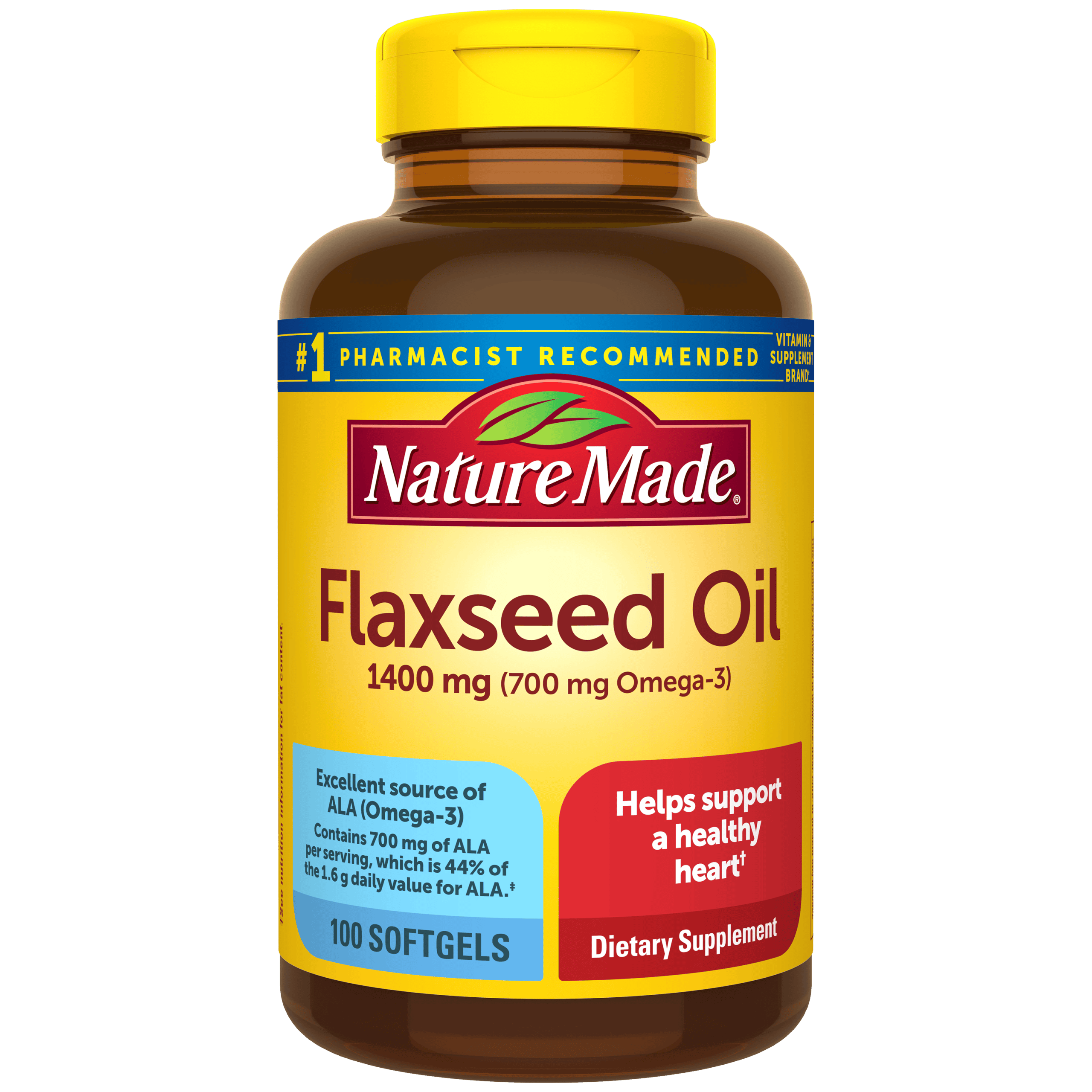
Nature Made lists Flaxseed Oil 1400 mg in a 100-softgel package as an ALA source. Its current product page does not make a USDA Organic claim.
- Format and package
- 1400 mg oil; 100 softgels
- Source or fatty-acid identity
- Flaxseed oil; ALA
Pros
- ALA source in a softgel rather than liquid format.
Cons
- The 1400 mg oil weight is not a declared EPA/DHA amount; choose another option if an organic claim is required.
6. MaryRuth's Omega 3-6-7-9 Gummies
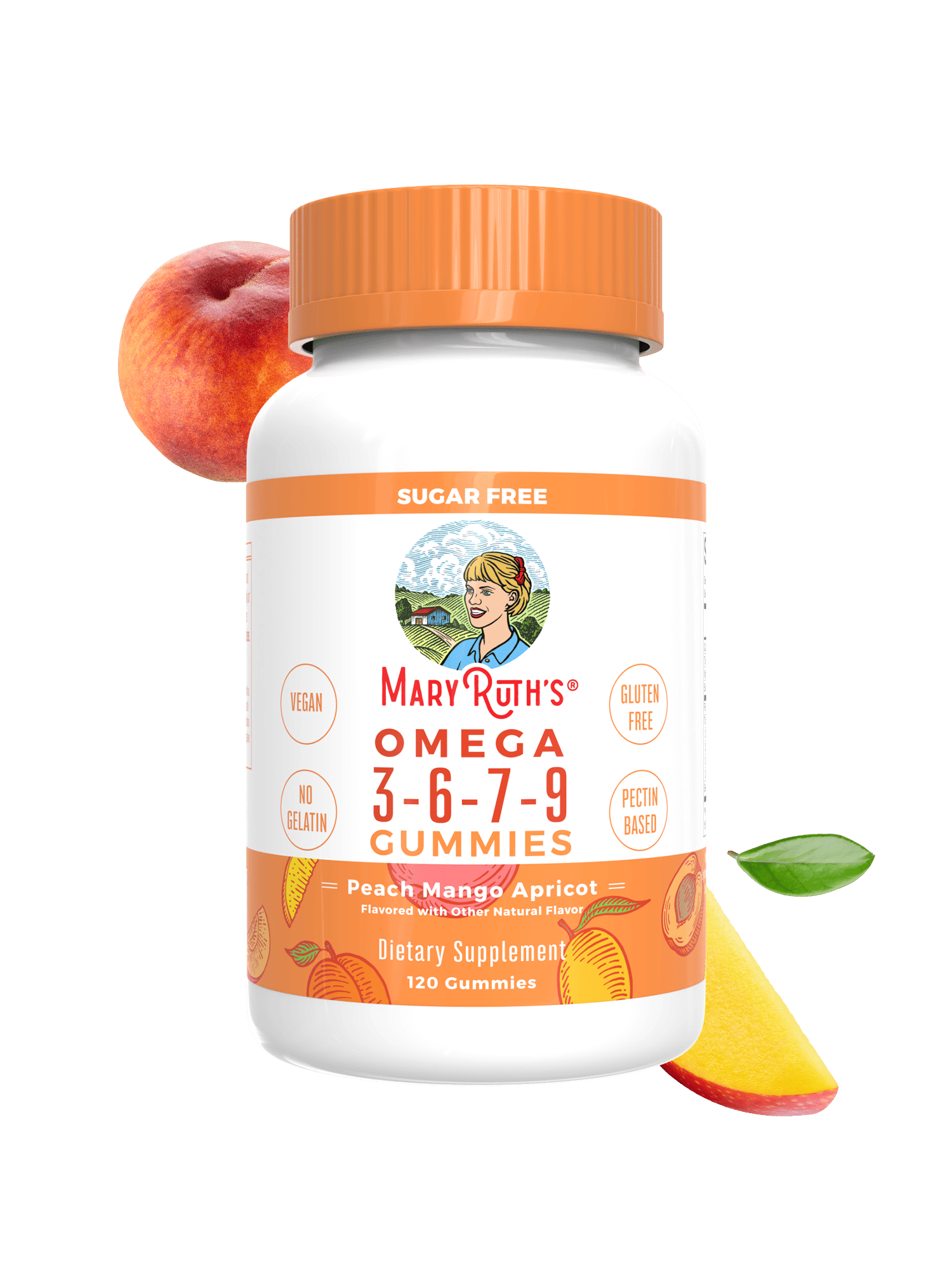
MaryRuth’s Omega 3-6-7-9 Peach Mango Apricot Gummies include organic flaxseed oil and sea berry oil. The selected pack contains 120 gummies.
- Format and package
- Peach Mango Apricot; 120 gummies
- Source or fatty-acid identity
- Flaxseed and sea berry oils
Pros
- A gummy oil format for readers comparing chewable options.
Cons
- Flaxseed supplies ALA rather than DHA; the multi-omega name does not declare each fatty-acid amount.
7. NatureWise Flaxseed Oil
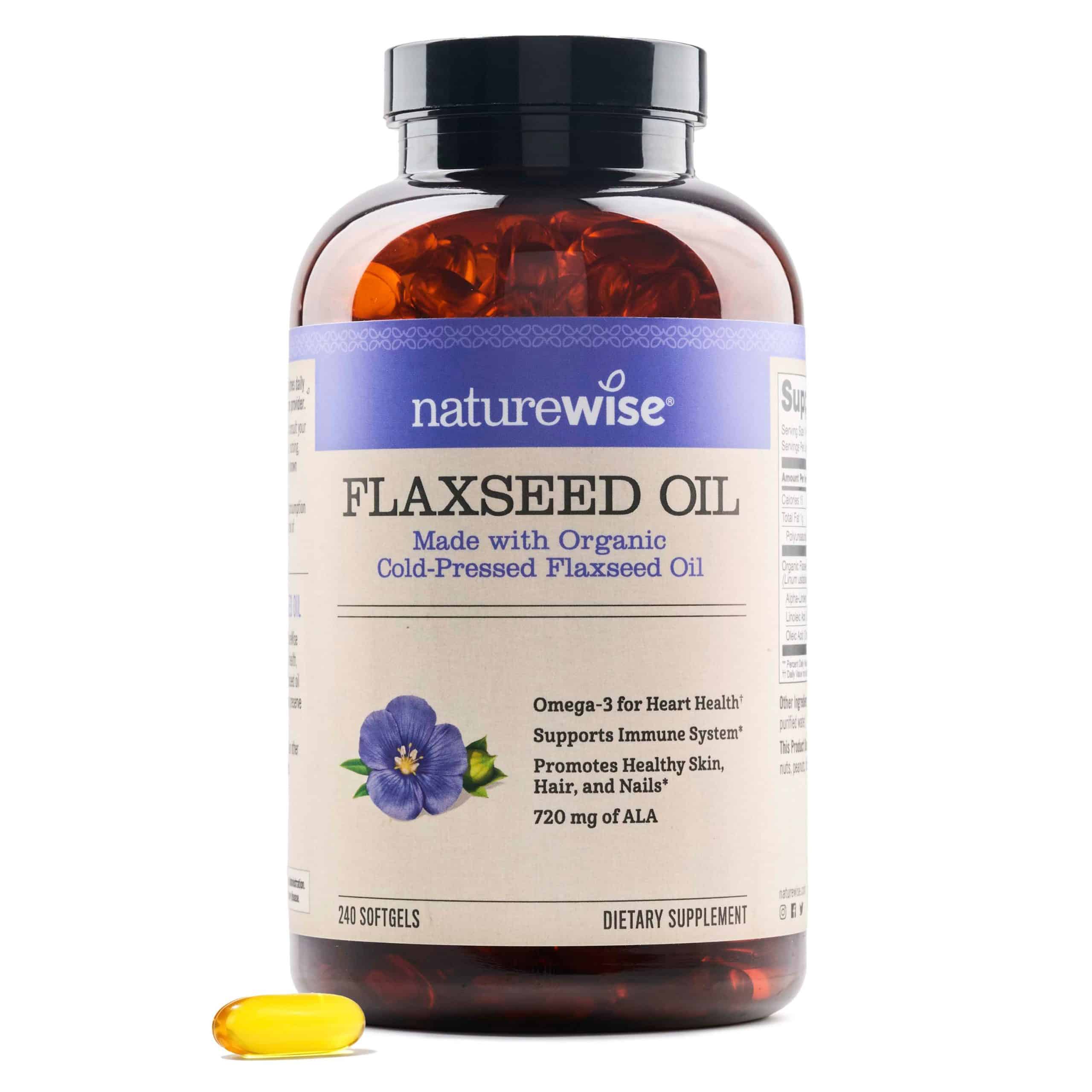
NatureWise identifies its 1242 mg Flaxseed Oil variant as organic. This comparison uses the selected 240-count package.
- Format and package
- 1242 mg variant; 240 count
- Source or fatty-acid identity
- Organic-labelled flaxseed oil
Pros
- Organic-labelled flaxseed oil in a large softgel package.
Cons
- 1242 mg describes the named oil strength, not a verified EPA/DHA amount; calculate full servings before comparing the package.
8. Naturesage Pure Omega 3 Oil
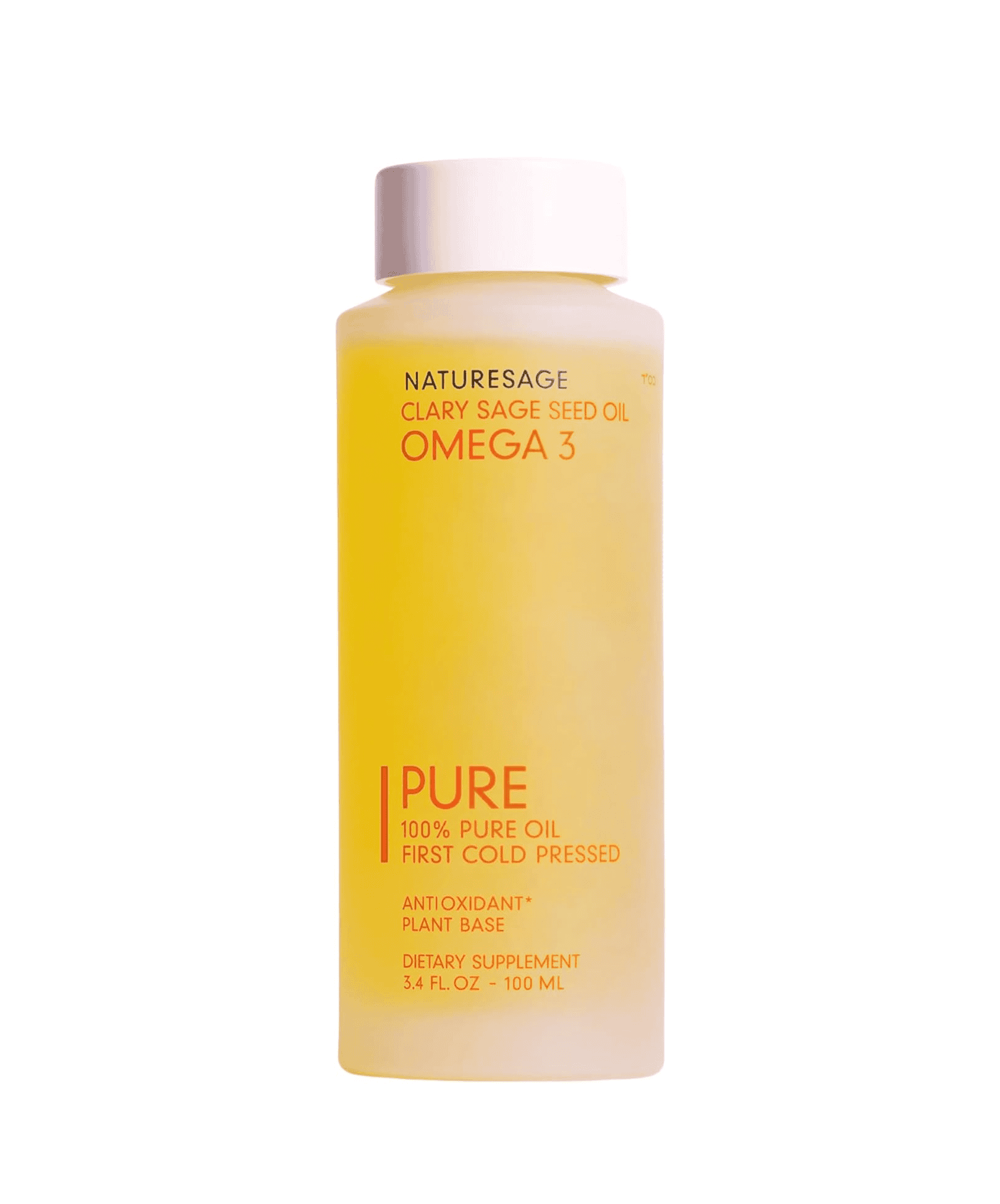
Naturesage lists Pure Omega 3 Oil as liquid clary sage seed oil. The selected bottle contains 100 mL.
- Format and package
- Liquid; 100 mL
- Source or fatty-acid identity
- Clary sage seed oil
Pros
- A liquid plant-oil source distinct from flaxseed.
Cons
- The source name alone does not disclose each fatty-acid amount; keep its liquid measure visible.
9. The Veggie Doctor Vegan Omega 3 Supplement
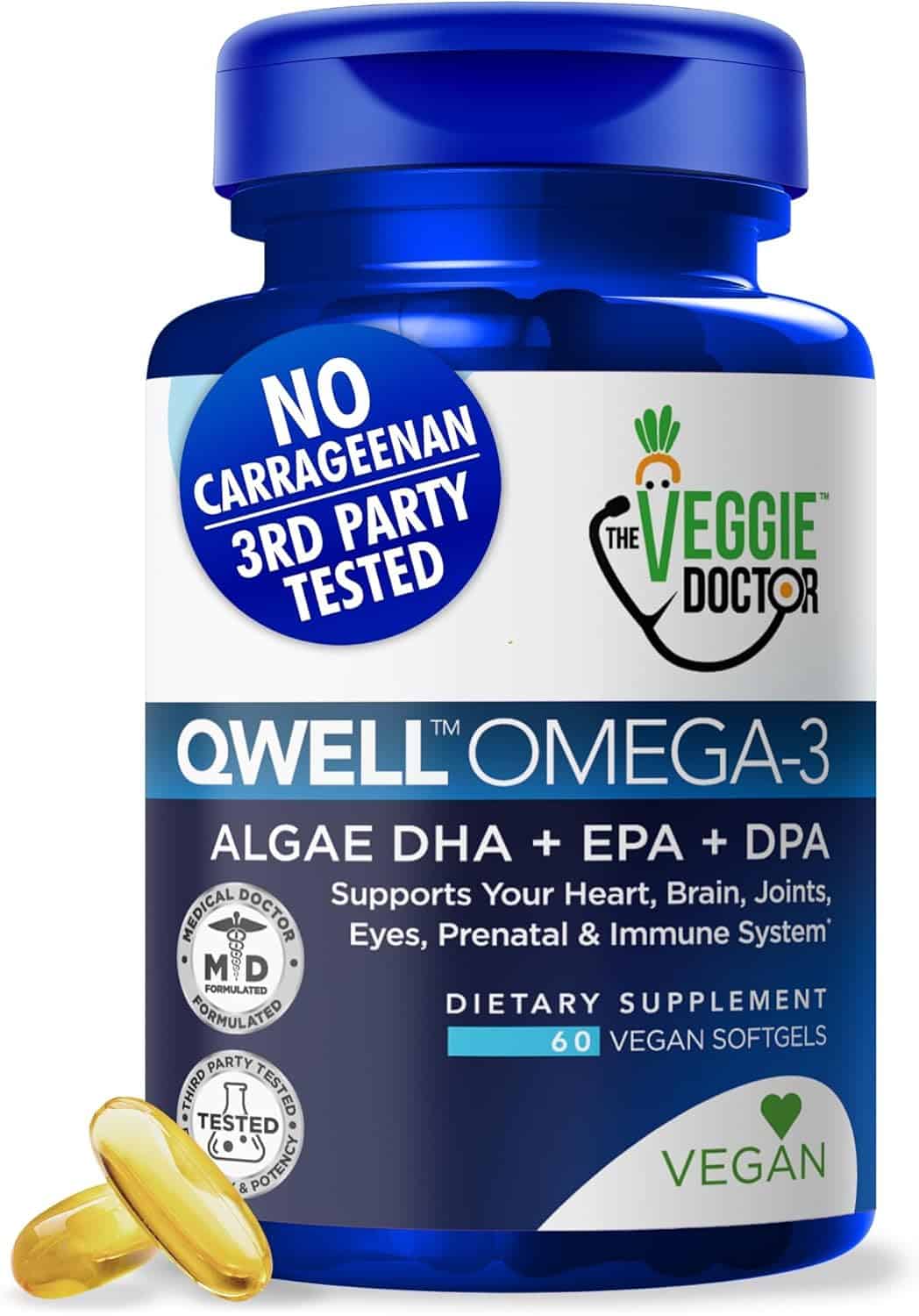
The Veggie Doctor lists Vegan Omega 3 Supplement as an algal-oil capsule product. The selected package contains 60 capsules.
- Format and package
- Capsules; 60 count
- Source or fatty-acid identity
- Algal oil
Pros
- A specifically identified algal-oil capsule format.
Cons
- Capsule count does not state DHA/EPA per serving; use the complete nutrient panel for that comparison.
10. Wiley's Finest CatchFree Omega

Wiley’s Finest states that CatchFree Omega is not certified organic. The selected package contains 60 softgels.
- Format and package
- Softgels; 60 count
- Source or fatty-acid identity
- Finished product not certified organic
Pros
- An explicitly identified alternative for readers comparing this softgel format.
Cons
- Unsuitable if finished-product organic certification is a requirement; an organic lichen ingredient does not change that status.
Distinguish ALA from EPA and DHA
NIH identifies three main omega-3s: alpha-linolenic acid, or ALA; eicosapentaenoic acid, or EPA; and docosahexaenoic acid, or DHA. Plant oils such as flaxseed oil provide ALA. Conversion of ALA into EPA and DHA is limited, so equal milligram amounts should not be treated as nutritionally interchangeable. NIH omega-3 overview.
That distinction changes how a shortlist should be organized. Put ALA-focused products in one comparison and products providing declared EPA or DHA in another. An “omega 3-6-7-9” blend needs individual amounts before it can enter either comparison meaningfully. Do not infer EPA or DHA from the total weight of a plant-oil blend.
Read the numbers beneath the headline
Record the total oil amount, total omega-3 amount if declared, EPA, DHA and ALA as separate entries. Also record the number of capsules, gummies or liquid measures making up the serving. If a quantity is not disclosed, leave it unknown; do not calculate it from a generic example of fish or algae oil.
Imagine two labels both advertising 1,000 mg of oil. The headline alone cannot tell you whether they provide the same EPA or DHA. The correct next step is to inspect the nutrient panel, not to rank the two as equal or assume that the more expensive bottle is more concentrated.
Source and dietary fit
Omega-3 supplements include fish, krill, cod liver and algal oils. Algal oil offers a vegetarian source, but the exact EPA and DHA content still needs checking. NIH omega-3 supplement forms. For a product described as vegan, inspect the capsule and other ingredients as well as the oil source.
Use a comparison sheet with separate fields for oil source, capsule material, allergens, flavoring, serving count and storage directions. This keeps practical requirements visible. A strong flavor, large capsule or refrigeration requirement might make a product inconvenient for a particular reader, but cannot be called a universal defect without a defined use case.
Keep organic and quality evidence separate
USDA's finished-product organic categories differ from claims about individual organic ingredients. USDA organic market labeling. If only a carrier oil is described as organic, do not expand that wording to the whole supplement or every fatty acid source.
For a claim about oxidation, contaminants or purity, seek the exact laboratory report or certification scope. Useful documentation identifies the product, lot, methods, test date and measured results. A general manufacturing statement cannot establish the current bottle's oxidation value. A sustainability claim also answers a different question from nutrient quantity or clinical benefit.
Compare cost per labeled serving once the products have passed your identity checks. You may also calculate cost for a fixed declared quantity of EPA plus DHA when that is the relevant comparison, while keeping the serving instructions visible. Such arithmetic compares value; it does not create a recommended dose.
Understand the health limits
Omega-3 supplements can have side effects and interact with medicines, including anticoagulants. High-dose use belongs in clinical care. NIH omega-3 safety guidance. An ordinary dietary supplement is not a substitute for a prescribed medicine or an individualized treatment plan.
The final shortlist should answer a small set of concrete questions: which fatty acids, how much per serving, from which source, with what verified quality evidence, and for what intended dietary role? Those answers are more informative than a ranking that treats every oil as equivalent.
Research note
This guide uses AI-assisted documentary research of the cited labels and public guidance. We compare formats, ingredients and serving information; we have not used or clinically tested the products, and no medical review is claimed.